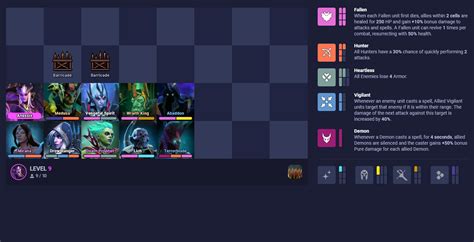
What’s the best meta counter-build for current oppressive comps in ranked play?

Ranked play in any competitive game often boils down to understanding the current meta and, more importantly, how to exploit its weaknesses. As specific team compositions rise to prominence and become “oppressive,” players who fail to adapt their builds and strategies often find themselves stuck or even losing ground. This article delves into the most effective meta counter-build principles to dismantle these dominant setups and turn the tide in your favor.
Understanding the Oppressive Archetypes
Before countering, you must identify what you’re up against. Oppressive compositions typically fall into a few categories:
- Dive/Engage Comps: Characterized by champions who can quickly close distances and lockdown key targets (e.g., assassins, hard engage tanks). Their goal is to initiate fights and burst down high-priority champions.
- Poke/Siege Comps: Focus on long-range damage and slowly whittling down opponents before a major engagement or pushing objectives (e.g., mages, artillery marksmen). They excel at controlling vision and zone.
- Hyper-Carry Comps: Designed to protect and enable one champion who scales incredibly well into the late game, becoming an unstoppable force (e.g., specific marksmen or late-game mages with heavy support).
- Tank/Bruiser Frontline Comps: Relies on extremely durable champions that soak damage, disrupt enemies, and create space for their damage dealers. They are often hard to kill and can dictate fight pacing.
Core Principles for Effective Counter-Building
Counter-building isn’t just about raw stats; it’s about strategic itemization and ability choices that directly negate the enemy’s strengths or amplify their weaknesses.
1. Target Their Primary Damage Source
Is the enemy team predominantly magic damage or physical damage? Invest heavily in the corresponding defensive stats (Magic Resist or Armor). If it’s mixed, prioritize resistances against the most threatening damage dealer or choose hybrid defensive items.
2. Disrupt Their Engagement or Sustain
If facing dive comps, build items or select abilities that offer crowd control, disengage, or anti-burst protection. Against poke, look for sustain (healing/shielding) or engage tools that force advantageous fights.
3. Exploit Their Scaling or Lack Thereof
If the enemy relies on late-game hyper-carries, build for early-game aggression to starve them of resources and snowball before they come online. Conversely, if they’re strong early, focus on safe farming and scaling items that allow you to survive and out-scale them.
Specific Counter-Build Strategies
Against Dive/Engage Compositions
Prioritize items that provide strong defensive stats, health, and most importantly, survivability and peel. Examples include items that grant shields, bonus movement speed for kiting, or active effects that interrupt enemy engages. Champions with reliable crowd control become invaluable. Positioning defensively and waiting for the enemy to over-commit is key.

Against Poke/Siege Compositions
Sustain is your best friend. Look for items that grant passive regeneration, lifesteal, or spell vamp to mitigate poke damage. Initiating quickly and effectively is crucial to denying them their preferred long-range engagements. Items that provide mobility or gap-closers can help your team bypass their defensive lines and force close-quarters combat.
Against Tank/Bruiser Frontline Compositions
This is where percentage health damage, armor penetration, and magic penetration become vital. Tanks are designed to absorb damage, so bypassing their defenses or dealing damage based on their maximum health is the most effective approach. Anti-heal items are also critical if their frontline or backline has significant sustain.

Against Hyper-Carry Compositions
The goal here is often to shut down the hyper-carry before they become unmanageable. Early game pressure, targeted burst damage, and reliable crowd control are essential. Items that reduce cooldowns or provide powerful active effects can help chain CC or apply constant pressure. If the game extends, focus on items that enable you to quickly eliminate or lockdown the carry in team fights.
Adaptability and In-Game Analysis
No single counter-build is universally perfect. The meta constantly shifts, and opponents rarely stick to a single, pure archetype. Continuously assess the game state:
- Who is the most fed enemy?
- What is their primary damage source right now?
- What is your team lacking (e.g., engage, peel, damage)?
Your build path should be dynamic, reacting to these factors. Don’t be afraid to deviate from standard builds if a specific enemy item or champion is dominating.

Conclusion
Mastering the art of counter-building is a cornerstone of climbing in ranked play. By accurately identifying oppressive enemy compositions and strategically itemizing to negate their strengths while amplifying your own, you transform potential losses into hard-fought victories. Stay informed on meta shifts, understand item synergies, and always be willing to adapt – your rank will thank you for it.