What’s the optimal practice routine for aspiring esports pros to boost mechanics?

The Foundation of Esports Excellence: Sharpening Your Mechanics
For any aspiring esports professional, raw talent alone isn’t enough. The path to the top is paved with countless hours of dedicated, structured practice, especially when it comes to refining fundamental game mechanics. Precision aim, swift movement, rapid decision-making, and perfect execution are not innate; they are cultivated through a deliberate and consistent routine. This article will outline an optimal practice framework designed to elevate your mechanical skill to a professional standard.
Understanding the Pillars of Mechanical Mastery
Before diving into a routine, it’s vital to understand what mechanical skill truly encompasses. It’s not just about clicking heads or hitting abilities; it’s about muscle memory, reaction time, hand-eye coordination, spatial awareness, and the ability to perform complex sequences under pressure. An effective routine must address all these facets.

Phase 1: The Essential Warm-up (15-30 Minutes)
Just like traditional athletes, esports pros need to prepare their minds and bodies. A proper warm-up prevents fatigue, enhances focus, and gets your hands ready for peak performance.
- Physical Warm-up: Light stretches for wrists, hands, shoulders, and neck. Eye exercises (focusing near and far).
- Mental Warm-up: Reviewing VODs of your previous plays or watching pro gameplay can help activate strategic thinking.
- In-game Warm-up: Start with basic movements and shooting ranges in your game. Don’t jump straight into competitive play. Focus on smooth mouse control, crosshair placement, and basic ability usage.
Phase 2: Targeted Drills – The Core of Improvement (60-120 Minutes)
This is where deliberate practice comes into play. Instead of aimlessly playing, focus on specific mechanical weaknesses.
- Aim Training (FPS/TPS): Utilize dedicated aim trainers (e.g., Kovaak’s, Aim Lab) or in-game training maps. Focus on different aspects: tracking, flicking, reaction time, speed, and precision. Dedicate specific days to different types of aim.
- Movement Drills (All Games): Practice intricate movement patterns, strafing, peeking, juking, and positioning without taking damage. For MOBA/RTS, this translates to efficient camera control and unit micro.
- Game-Specific Mechanics: Identify mechanics unique to your game. For example, last hitting in MOBAs, recoil control in FPS, combo execution in fighting games, build orders in RTS, or advanced movement techniques like bunny hopping or wall jumps. Break these down into manageable, repeatable drills.

Phase 3: Application Through Scrims & Ranked Play (120-240 Minutes)
Once you’ve honed your raw mechanics, it’s time to apply them in a competitive environment. This phase is crucial for bridging the gap between isolated drills and real-game situations.
- Scrims (Team Play): If part of a team, scrimmages are invaluable. They allow you to practice mechanics in a coordinated setting, test strategies, and adapt to opponents.
- Ranked Play (Solo/Duo): Playing ranked matches pushes you to perform under pressure. Focus on consistently executing your improved mechanics, even when the stakes are high. Don’t just play to win; play to learn and refine.
Phase 4: Analysis and Reflection – The Feedback Loop (30-60 Minutes)
Improvement stagnates without self-assessment. VOD (Video on Demand) review is non-negotiable for professional growth.
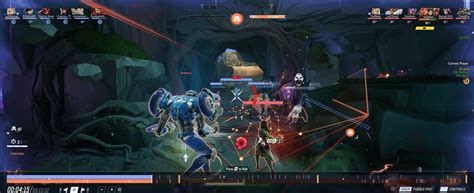
- Personal VOD Review: Record your gameplay. Watch it back critically, focusing specifically on mechanical execution. Did you miss a crucial shot? Was your ability usage inefficient? Could your movement have been better? Pinpoint specific moments of failure and success.
- Pro Player VOD Review: Compare your gameplay to that of top professionals. Observe their mechanics: crosshair placement, movement efficiency, reaction times, and how they handle high-pressure situations.
Phase 5: Cool-down and Recovery (15-30 Minutes)
Just as important as the warm-up, a proper cool-down helps transition away from intense play and aids in long-term performance.
- Light Play/Relaxation: A few casual games, watching streams, or engaging in a different, less mechanically intensive game can help unwind.
- Physical & Mental Break: Step away from the screen. Hydrate, stretch, and ensure you get adequate sleep. Mechanical skill builds during rest.

Key Principles for Sustained Mechanical Improvement
Beyond the routine structure, certain principles must guide your daily practice:
- Consistency is King: Short, regular sessions are more effective than infrequent, marathon sessions.
- Quality over Quantity: Deliberate practice, where you focus intently on improvement, beats mindless grinding.
- Adaptability: Routines should evolve. As you improve one area, shift focus to the next weakest link.
- Mindset: Approach practice with a growth mindset. Every mistake is an opportunity to learn.
- Listen to Your Body: Avoid burnout. Integrate breaks, exercise, and proper nutrition.
Crafting Your Personalized Path to Mechanical Excellence
While this framework provides a robust template, the “optimal” routine is ultimately personal. It should be tailored to your game, your current skill level, and your specific mechanical weaknesses. Experiment with drill types, adjust timings, and continuously evaluate your progress. The journey to becoming an esports professional is arduous, demanding unwavering discipline and intelligent practice. By committing to a structured, deliberate mechanical routine, you lay a solid foundation for achieving your competitive aspirations.