What key strategies boost mental resilience for competitive esports players facing Tilt?

Understanding Tilt: The Esports Player’s Nemesis
In the high-stakes world of competitive esports, ’tilt’ is a familiar and often devastating adversary. It’s that psychological state where frustration, anger, or anxiety stemming from poor plays, bad luck, or team disagreements spirals into a decline in performance, irrational decision-making, and often, a complete breakdown. For professional players, mastering the game extends beyond mechanical skill; it critically involves mastering one’s own mind. Developing robust mental resilience isn’t just an advantage; it’s a fundamental requirement for sustained success.
Proactive Strategies: Building a Foundation of Calm
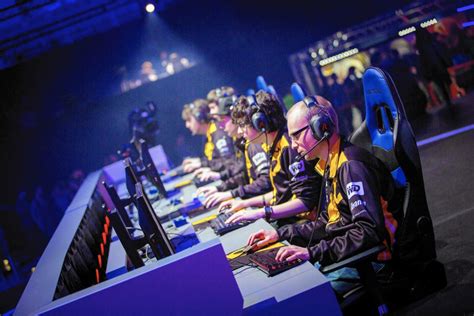
Preventing tilt before it takes hold is often more effective than trying to recover from its grip. This involves several proactive measures players can integrate into their daily routines and pre-game rituals. Regular physical exercise, for instance, significantly reduces stress and improves cognitive function. A balanced diet and sufficient sleep are equally crucial, as fatigue and poor nutrition can severely impair focus and emotional regulation, making players more susceptible to tilt.
Mindfulness practices, such as meditation or deep breathing exercises, can train the brain to stay present and less reactive to negative stimuli. Incorporating these practices helps players develop a greater awareness of their emotional state, allowing them to catch the early signs of tilt and intervene before it escalates.
During-Game Techniques: Countering Tilt in Real-Time
Even with solid preparation, tilt can still strike mid-game. When it does, immediate and effective counter-strategies are vital. One powerful technique is the ‘reset button’ – a brief pause to physically stand up, stretch, take a few deep breaths, or even splash cold water on the face. This physical break can help interrupt the negative thought spiral and allow for a mental reset. Communication with teammates is also paramount; openly acknowledging frustration (without blaming) can de-escalate tension and prompt supportive responses.
Focusing on controllable elements is another key strategy. Players often get tilted by factors outside their control, like random critical hits or a teammate’s mistake. Shifting focus back to one’s own gameplay, decision-making, and immediate objectives can re-center attention and restore a sense of agency. Setting small, achievable in-game goals, even during a rough patch, can also provide positive reinforcement and rebuild confidence incrementally.
Post-Game Reflection: Learning from Adversity
The period immediately following a match, especially a difficult one, is a critical opportunity for learning and growth. Instead of dwelling on mistakes or losses with self-criticism, competitive players should engage in constructive debriefing. This involves objectively analyzing what went wrong, identifying areas for improvement, and separating performance from personal worth.
Working with a sports psychologist or a dedicated mental coach can provide invaluable tools for this process. They can help players develop healthier coping mechanisms, reframe negative experiences, and build a resilient mindset that views challenges as opportunities for growth rather than failures. Documenting these reflections can also create a valuable log of personal progress and recurring tilt triggers.
Building a Supportive Environment
Individual strategies are crucial, but they are significantly amplified by a positive and supportive team environment. Teams that foster open communication, empathy, and mutual respect are better equipped to handle tilt collectively. Encouraging teammates to take breaks, offering constructive feedback rather than criticism, and celebrating small victories can cultivate a culture of resilience. A strong team bond means players feel safe to express vulnerability and receive support when struggling, preventing individual tilt from infecting the entire squad.

Conclusion: The Ongoing Journey of Mental Mastery
For competitive esports players, boosting mental resilience against tilt is not a one-time fix but an ongoing journey of self-awareness, practice, and adaptation. By implementing proactive strategies, employing real-time countermeasures, engaging in constructive post-game reflection, and fostering a supportive team environment, players can transform tilt from a debilitating force into a manageable challenge. Ultimately, a strong mind is the ultimate peripheral, enabling consistent peak performance even in the face of intense pressure and adversity.