How to boost FPS on an aging gaming PC without upgrading?

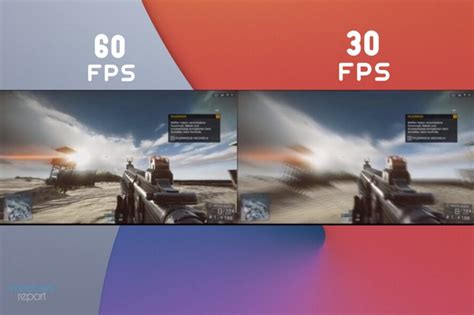
Is your once-mighty gaming rig starting to struggle with the latest titles, delivering choppy frame rates that detract from the experience? Before you open your wallet for expensive upgrades, know that there are numerous free or low-cost methods to breathe new life into your aging gaming PC. Optimizing your current setup can often yield surprising performance gains, allowing you to enjoy smoother gameplay without buying a single new component. Let’s explore how to squeeze every last frame per second out of your machine.

1. Software Optimization: The Low-Hanging Fruit
The easiest and often most impactful changes come from your software environment. Ensure your system is running as efficiently as possible.
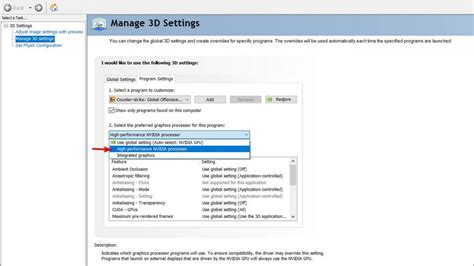
- Update Your Drivers: This is paramount. Graphics drivers (NVIDIA GeForce, AMD Radeon) are frequently updated with performance optimizations for new games. Chipset drivers, audio drivers, and network drivers can also contribute to system stability and performance.
- Adjust In-Game Settings: This is a balancing act. Lowering demanding settings like Anti-Aliasing, Shadow Quality, Volumetric Fog, and Texture Resolution can significantly boost FPS. Experiment with each setting to find the sweet spot between visual fidelity and performance.
- Close Background Applications: Every program running in the background consumes CPU, RAM, and GPU resources. Close web browsers, chat applications, streaming services, and anything non-essential before launching a game. Use Task Manager to identify and close resource-hogging processes.

2. Operating System & System Settings Tweaks
Your operating system’s configuration can either hinder or help your gaming performance.
- Power Plan Settings: Ensure your Windows power plan is set to ‘High Performance’ (or ‘Ultimate Performance’ if available). This prevents your CPU from throttling down to save power, keeping it at maximum clock speeds during gaming.
- Disable Visual Effects: Windows features like animations, shadows, and transparency can consume resources. Go to ‘Advanced system settings’ > ‘Performance’ > ‘Settings’ and choose ‘Adjust for best performance’ or customize to disable specific effects.
- Enable Game Mode (Windows 10/11): Windows Game Mode prioritizes your game’s resources, attempting to minimize background processes and free up system resources for gaming. While its impact can vary, it’s worth enabling.
- Disk Cleanup & Defragmentation: For older hard disk drives (HDDs), regular defragmentation can improve game load times. Solid-state drives (SSDs) do not require defragmentation and it can even shorten their lifespan, but running Disk Cleanup to remove temporary files is beneficial for all drive types.

3. Cleaning & Maintenance: Physical and Digital
Sometimes, the problem isn’t software but accumulated dust or digital clutter.
- Physical Cleaning (Dust): Dust accumulation in your PC’s fans, heatsinks, and vents can drastically reduce cooling efficiency, leading to thermal throttling where components slow down to prevent overheating. Regularly clean your PC with compressed air. Focus on CPU and GPU heatsinks, case fans, and power supply vents.
- Malware/Virus Scan: Malicious software can run in the background, consuming significant system resources. Run a full scan with a reputable antivirus program to ensure your system is clean.
- Uninstall Unnecessary Programs: Go through your installed programs and uninstall anything you no longer use. These applications can take up valuable disk space and some might run background services.

4. Advanced Tweaks & Software Assistance
For those comfortable with a bit more tinkering, these methods can unlock further potential.
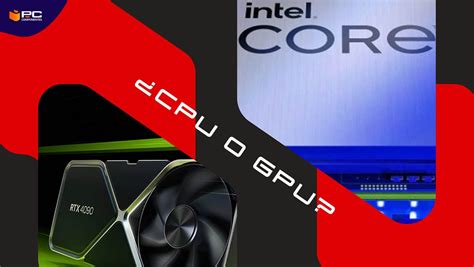
- Overclocking (CPU/GPU): If your components and cooling solution allow, a moderate overclock of your CPU and/or GPU can provide a noticeable FPS boost. This requires careful research, monitoring, and understanding of the risks involved, as improper overclocking can lead to instability or hardware damage.
- RAM Optimization: Ensure your RAM is running at its advertised speed by enabling the XMP (Extreme Memory Profile) or DOCP (Direct Overclock Profile) setting in your motherboard’s BIOS/UEFI. This simple step is often overlooked and can significantly impact overall system performance.
- Utilize Game Boosters/Optimization Software: Programs like Razer Cortex, GeForce Experience (for NVIDIA GPUs), or AMD Adrenalin (for AMD GPUs) offer features to optimize game settings, close background processes, and monitor performance. While not magic bullets, they can automate some optimization tasks.
Conclusion
Boosting FPS on an aging gaming PC doesn’t always require a financial investment. By diligently applying these software tweaks, system optimizations, and physical maintenance practices, you can often achieve a smoother, more enjoyable gaming experience. Remember that consistent maintenance and smart resource management are key to keeping any PC running at its best, regardless of its age.