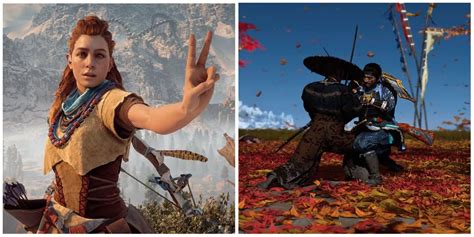
How can we structure gaming guides for maximum readability & minimal spoilers?
Creating a gaming guide is an art form, balancing the desire to assist players with the crucial need to preserve their sense of discovery. A truly great guide empowers the player without dictating their experience, making navigation effortless and information easily digestible, all while deftly sidestepping narrative bombshells. This delicate dance requires thoughtful structuring and meticulous content curation.
Understanding Your Audience and Their Needs
Before putting pen to paper (or fingers to keyboard), consider who your guide is for. Are you catering to completionists seeking every secret, casual players stuck on a boss, or newcomers needing a gentle push through early mechanics? Their needs will dictate the depth, detail, and spoiler sensitivity of your content. A guide for a puzzle game might require more explicit ‘how-to’ steps, while an RPG guide might focus on build advice and general exploration tips.
Modular Design for Scannability
Long blocks of text are the bane of any reader, especially those looking for a quick solution. Employing a modular structure with clear headings and subheadings is paramount. Each section should address a specific topic (e.g., ‘Chapter 3: The Sunken City,’ ‘Boss Guide: The Obsidian Golem,’ ‘Side Quest: The Missing Relic’).
- Clear Headings (H2, H3): Use descriptive, concise headings that allow readers to quickly scan and jump to the information they need.
- Short Paragraphs: Break down information into bite-sized chunks. Aim for 2-4 sentences per paragraph to improve flow and readability.
- Bulleted/Numbered Lists: Ideal for step-by-step instructions, item lists, or summaries of key points. These break up text and highlight crucial details.
- Bold Text: Use sparingly to emphasize critical information like item names, enemy weaknesses, or quest objectives.
Strategic Spoiler Management
Minimizing spoilers is arguably the trickiest aspect of guide writing. The goal is to provide just enough information without ruining the narrative or major surprises. Progressive disclosure is your best friend.
Techniques for Minimizing Spoilers:
- General vs. Specific: Focus on ‘how’ to achieve something rather than ‘what’ specifically happens. For instance, instead of saying, ‘After Character X betrays you in the climax,’ say, ‘This section will guide you through the final confrontations.’
- Spoiler Warnings: Clearly label sections that contain major plot spoilers. A simple ‘SPOILER WARNING: MAJOR STORY DETAILS AHEAD‘ before a specific section allows players to skip it if they wish.
- Separate Sections for Lore/Story: Consider dedicating specific sections or even appendices to deeper lore or story analysis, allowing players to opt-in after completing the game.
- Focus on Mechanics: Prioritize explanations of game mechanics, optimal strategies, item locations, and puzzle solutions over narrative beats.

Leveraging Visual Aids (Non-Spoilery)
A picture is worth a thousand words, especially in a gaming guide. Well-placed, non-spoiler visuals can significantly enhance understanding and readability.
- Maps: Provide maps with objective markers, important item locations, or hidden pathways. Ensure these maps don’t reveal too much about future areas or narrative progression.
- Diagrams: Use flowcharts for complex puzzles, skill trees, or character build recommendations.
- Screenshots: Include screenshots of specific locations, item interactions, or puzzle states to clarify instructions. Always ensure these visuals are free of plot-revealing dialogue or character moments.

Consistency and Tone
Maintain a consistent tone throughout your guide. Whether it’s formal, informal, humorous, or analytical, stick with it. Consistency makes your guide feel professional and easier to follow. Also, ensure consistent terminology for items, characters, and locations to avoid confusion.

Review and Refine
After drafting, thorough review is critical. Read through your guide from the perspective of a player using it for the first time. Are there any unclear instructions? Are spoilers present where they shouldn’t be? Is the flow logical? Getting a fresh pair of eyes to review your guide can catch blind spots and vastly improve its quality.
Conclusion
Crafting gaming guides that strike the perfect balance between utility, readability, and spoiler avoidance is a continuous process of refinement. By adopting a modular structure, employing strategic spoiler management, leveraging non-spoiler visual aids, and maintaining a consistent, player-centric approach, you can create resources that genuinely enhance the gaming experience without diminishing the thrill of discovery. The ultimate goal is to be a helpful companion, not a director, in the player’s epic journey.