Optimal gaming guide structure for quick answers and effective spoiler management?

The Quest for the Perfect Gaming Guide
Creating a truly effective gaming guide is an art form, balancing immediate utility with the preservation of a player’s discovery experience. Gamers often turn to guides for two primary reasons: to overcome a specific hurdle quickly, or to find comprehensive information without inadvertently revealing story-critical elements. An optimal guide structure must cater to both needs simultaneously, providing clarity without compromise.
This article explores the best practices for structuring gaming guides that excel in delivering swift solutions while meticulously managing spoilers, ensuring every player can engage with the guide on their own terms, whether they seek a simple hint or a complete walkthrough.
Prioritizing Quick Answers: The “At-a-Glance” Approach
For players seeking quick answers, time is of the essence. A well-structured guide anticipates this by incorporating easily digestible sections. This includes a clear Table of Contents at the start, often with anchor links for rapid navigation. FAQs and troubleshooting sections should be prominent and concise, addressing common pain points directly.
Consider dedicating specific sections, perhaps highlighted, to critical data like boss weaknesses, puzzle solutions, or item locations. Using bullet points, bold text, and small, focused paragraphs can greatly enhance scannability. A searchable guide, whether through internal site search or well-optimized keywords, is also paramount for immediate information retrieval.
The Art of Spoiler Management: A Layered Strategy
Effective spoiler management is about giving players control over what they see. The most robust approach is a multi-layered one. Begin with a clear spoiler warning at the guide’s introduction, setting expectations for its content. For specific, narrative-sensitive sections, employ spoiler tags that require a click or hover to reveal the hidden text. This is particularly useful for plot twists, character deaths, or secret endings.
Another method is to progressively reveal information. Start with general hints, then offer more specific clues, and finally, the direct solution, allowing players to stop reading at the level of assistance they need. Clearly label sections that contain major spoilers (e.g., “Ending Spoilers,” “Major Boss Strategy”), enabling players to skip them entirely if they wish to discover these elements organically.

Structural Elements for Clarity and Navigation
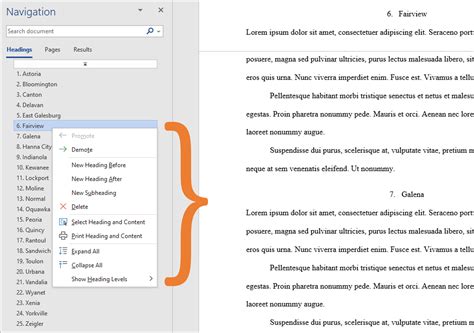
A logical hierarchy is the backbone of any good guide. Utilize clear, descriptive headings (H2, H3, H4) to break down content into manageable sections. Organize by game progression (e.g., “Chapter 1: The Beginning,” “Side Quests,” “Collectibles”), by topic, or by specific challenge. Visual cues, such as icons, screenshots, and embedded video links, can supplement text-based instructions, making complex information easier to grasp.
- Main Story Walkthrough: Linear progression, possibly with subsections for major objectives.
- Side Quests/Optional Content: Separate sections, perhaps listed by area or unlock condition.
- Collectibles: Detailed lists or maps for items, often categorized by type.
- Boss Strategies: Dedicated sections outlining attack patterns, weaknesses, and recommended gear.
- FAQs & Troubleshooting: Common questions and solutions, easily accessible.
Advanced Techniques for User Experience
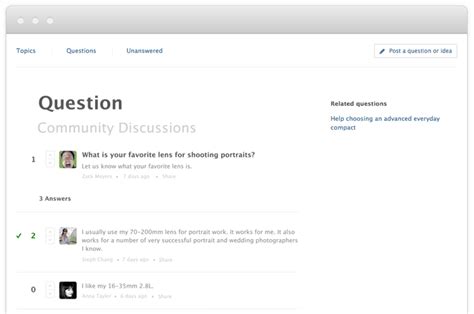
Beyond the basics, consider dynamic content for an even better user experience. Interactive maps with toggleable markers for collectibles or points of interest allow players to customize their view. Furthermore, integrating a comment section or forum directly into the guide can foster a community where players can ask follow-up questions or offer alternative strategies, enhancing the guide’s utility over time.
Version control is also crucial for living games; clearly indicate when a guide was last updated and which game version it pertains to, especially for titles receiving regular patches or expansions. This ensures the information remains accurate and relevant.

Beyond the Guide: Feedback and Iteration
No guide is truly complete without user feedback. Encourage readers to report errors, suggest improvements, or ask for clarifications. This iterative process allows guides to evolve, becoming more comprehensive and user-friendly with each update. Regularly review metrics like bounce rates and time on page to identify sections that might be confusing or less engaging, and then refine them accordingly.
An optimal gaming guide is not a static document but a dynamic resource that grows and adapts with the game and its community. By focusing on quick access and thoughtful spoiler management, guide creators can craft indispensable tools that genuinely enhance the gaming journey for everyone.