





What’s the optimal balance for guide length vs. depth in gaming walkthroughs?
Navigating the Dilemma of Gaming Walkthroughs
In the vast and ever-evolving landscape of video games, players often turn to guides and walkthroughs for assistance. Whether it’s to overcome a particularly challenging boss, uncover a hidden secret, or simply navigate a complex world, a well-crafted guide can be an invaluable resource. However, one of the perennial challenges for guide creators is striking the optimal balance between guide length and depth. How much information is enough without being overwhelming, and how little is too little to be truly helpful?

The Argument for Brevity and Conciseness
Many players seek walkthroughs for quick, surgical strikes of information. They might be stuck on a single puzzle, looking for the location of a specific item, or need a strategy for a particular boss fight. For these users, a lengthy, narrative-driven guide can be frustrating. They want direct answers, presented clearly and efficiently, allowing them to return to their game with minimal interruption. A concise guide respects the player’s time and desire to maintain immersion, providing just enough information to overcome the immediate obstacle without spoiling future content or overwhelming them with unnecessary details.
These ‘spot-fix’ guides are often best delivered through bullet points, short paragraphs, or clearly labeled sections that can be easily scanned. The goal is to provide the ‘what’ and ‘how’ without delving too deeply into the ‘why’ or exhaustive background.
Embracing Depth for the Dedicated Player
On the other end of the spectrum are players who crave comprehensive information. This includes completionists aiming for every achievement, lore enthusiasts wanting to understand every nuance of a game’s story, or those struggling with fundamental game mechanics who need a more detailed, hand-holding approach. For this audience, a deep dive into every aspect of the game—including optional content, side quests, character builds, lore explanations, and even developer insights—is highly valued.
Detailed walkthroughs serve as encyclopedic companions, offering step-by-step instructions for every minute of gameplay, alternative strategies, hidden secrets, and often an accompanying narrative that can enrich the player’s understanding and appreciation of the game world. These guides often feature extensive maps, detailed item lists, character stat breakdowns, and exhaustive enemy data.
Understanding Diverse Player Personas
The key to achieving balance lies in recognizing that there isn’t a single ‘optimal’ guide. Instead, guide creators must cater to a spectrum of player personas. There’s the “Rusher” who just wants to finish the main story, the “Puzzle Solver” needing a nudge, the “Completionist” demanding every secret, and the “Lore Seeker” hungry for background. Each persona has different expectations for guide length and depth.
A truly effective guide anticipates these varied needs and attempts to serve as many as possible without alienating any. This requires thoughtful structural design and content prioritization.

Strategies for Achieving Optimal Balance
Achieving the elusive balance often boils down to intelligent design and presentation. Here are several strategies:
- Modular Design with Quick Navigation: Break the guide into clearly defined sections (e.g., chapters, quests, specific challenges). Implement a robust Table of Contents or jump links so users can quickly navigate to their desired information. Each module can offer a concise summary followed by an optional, expanded detail section.
- Progressive Disclosure: Present essential information upfront, then offer options to “read more,” “show advanced tips,” or “reveal spoilers.” This allows users to control their level of information intake.
- Strategic Use of Visual Aids: Maps, screenshots, infographics, and short video clips (though not included here, the concept is relevant) can convey complex information far more efficiently than text alone. They reduce the need for lengthy textual descriptions while enhancing clarity.

- Layered Information: Structure content so that core instructions are easily accessible, with supplementary details (lore, optional items, alternative strategies) nested or presented in expandable sections.
- Highlighting Key Information: Use bolding, color, or call-out boxes to draw attention to critical points, preventing users from having to sift through extensive text for crucial details.
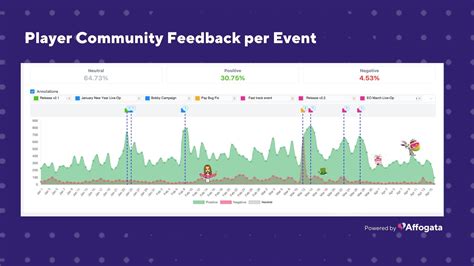
- Gathering User Feedback: Pay attention to comments, search queries, and engagement metrics. What are players looking for? Where do they get stuck? This data can inform future guide updates and design choices.
Conclusion: Tailoring the Experience
Ultimately, there is no single ‘optimal’ guide length or depth; rather, there is an optimal approach for each specific game and its community. The goal is not to be universally concise or universally exhaustive, but to be contextually appropriate. By employing intelligent structural design, understanding diverse player needs, and offering flexible information access, guide creators can craft walkthroughs that are both incredibly helpful and deeply appreciated, striking that delicate balance between guiding the player and letting them discover on their own terms.



