How to effectively moderate toxic gaming communities without alienating users?
Understanding the Challenge of Toxic Gaming Communities
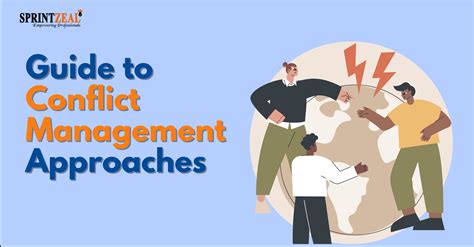
The rise of online gaming has brought with it vibrant communities, but also a persistent challenge: toxicity. From verbal abuse and harassment to cheating and griefing, toxic behaviors can quickly degrade the player experience, drive away users, and damage a game’s reputation. The key for developers and community managers is to find ways to curb this negativity effectively, without alienating the broader player base who are merely looking for an enjoyable experience.
Traditional heavy-handed moderation tactics, while sometimes necessary, can often lead to a feeling of unfairness, lack of transparency, and ultimately, player attrition. The goal is to cultivate a respectful environment where players feel safe and valued, while also understanding the boundaries.
The Foundation: Clear & Accessible Community Guidelines
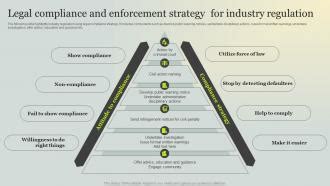
The first step towards effective moderation is establishing clear, concise, and easily accessible community guidelines. These rules should outline what constitutes acceptable and unacceptable behavior, providing specific examples where possible. Vague rules are open to interpretation and can lead to frustration when players feel unfairly penalized.
Beyond creation, these guidelines must be prominently displayed – in-game, on forums, and on official websites. Regular reminders and educational campaigns about the guidelines can help reinforce positive behaviors and ensure all players are aware of the expectations before they engage.
Proactive Moderation & Consistent Enforcement
Effective moderation isn’t just about reacting to reports; it’s about being proactive. This involves actively monitoring chat channels, forums, and in-game interactions. Leveraging automated tools for detecting common offensive language or behavior patterns can significantly assist human moderators, allowing them to focus on more complex or nuanced cases.
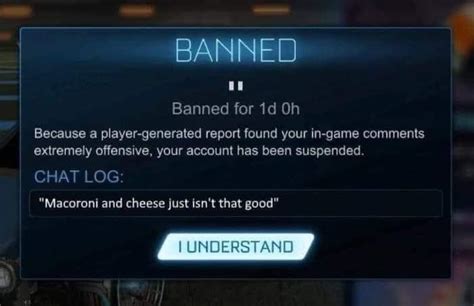
Crucially, enforcement must be consistent. Inconsistent application of rules erodes trust and breeds resentment. Players need to see that rules apply equally to everyone, regardless of their status or skill level. A transparent system for warnings, temporary bans, and permanent bans, along with a clear appeals process, helps maintain fairness and minimizes the feeling of arbitrary judgment.
Fostering Positive Behavior & Rewarding Good Actors
Moderation shouldn’t solely focus on punishment. Equally important is the strategy of fostering and rewarding positive behavior. Acknowledging and celebrating players who contribute constructively to the community, exhibit good sportsmanship, or help new players can shift the community culture. This could involve in-game rewards, community spotlights, or special recognition.
By highlighting positive examples, games can incentivize players to emulate desirable behaviors, creating a self-reinforcing loop of respect and cooperation. This positive reinforcement can be a powerful antidote to toxicity, making the community a more welcoming place overall.

Empowering the Community: Reporting & Peer Moderation
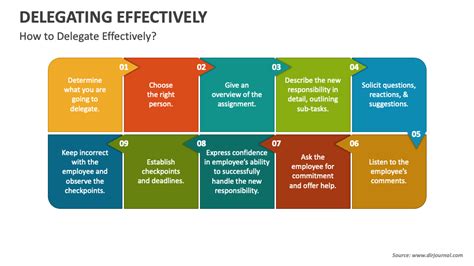
Developers cannot be everywhere at once. Empowering the community with reliable and easy-to-use reporting tools is vital. A robust reporting system allows players to flag toxic behavior quickly and efficiently. It’s essential that players feel their reports are taken seriously and lead to action, otherwise they will stop reporting.
In some larger communities, a well-trained and supervised peer moderation program can be incredibly effective. Trusted community members, often volunteers, can help enforce rules, guide discussions, and act as a bridge between the player base and official moderators. Proper vetting, training, and support for these individuals are paramount to ensure they uphold the community’s values.
Transparency, Communication, and Feedback Loops
Transparency in moderation decisions, where appropriate, can significantly reduce alienation. While specific details of individual punishments should remain private, communicating general trends, updates to moderation policies, or explanations for widespread actions (e.g., a ban wave for a specific type of exploit) helps players understand the ‘why’ behind the ‘what’.
Establishing clear feedback channels for players to voice concerns about moderation, appeal decisions, or suggest improvements to community guidelines fosters a sense of being heard. This open dialogue builds trust and demonstrates that the game’s stewards are committed to improving the community experience for everyone.
Conclusion: Building a Thriving & Respectful Community
Effectively moderating toxic gaming communities without alienating users is a continuous effort that requires a multi-faceted approach. It’s about establishing clear boundaries, enforcing them consistently and fairly, but also actively cultivating a positive environment. By balancing strictness with empathy, transparency with privacy, and punishment with positive reinforcement, developers and community managers can transform potentially toxic spaces into thriving, welcoming communities where all players can enjoy their favorite games.