What’s the best content format for Indie Spotlight to boost game discovery & dev interest?
Unlocking Indie Game Potential: The Power of Format
In the crowded landscape of indie games, mere existence isn’t enough for discovery. A well-crafted “Indie Spotlight” can be the beacon that guides players to hidden gems and connects developers with a supportive community. But what content format truly stands out, capturing attention and fostering genuine interest from both potential players and fellow creators? The answer isn’t always straightforward, often depending on the specific goals and resources available, yet understanding the strengths and weaknesses of various formats is crucial for maximizing impact.
Defining Success: Player Discovery & Developer Engagement
Before diving into formats, let’s clarify the twin objectives of any effective Indie Spotlight. Firstly, it must significantly boost game discovery. This means not just reaching eyeballs, but compelling players to click, wish-list, and ultimately purchase the game. Secondly, it needs to attract developer interest. This could be for networking, collaboration opportunities, or simply building a reputation within the industry – a critical aspect for solo or small teams.
Achieving these goals requires more than just showcasing gameplay; it demands storytelling, authenticity, and a clear call to action tailored to the audience and platform. The format chosen directly influences how well these elements can be conveyed and consumed.
Exploring Popular Content Formats for Indie Spotlights
Let’s break down some of the most common and effective content formats, evaluating their potential for game discovery and developer engagement.
In-Depth Articles & Written Reviews
Pros: Excellent for SEO, allows for deep dives into lore, mechanics, and developer philosophy. Easy to share and bookmark. Can include screenshots and GIFs. Appeals to those who prefer reading detailed analysis. Good for complex narratives or unique mechanics that benefit from explanation.
Cons: Can feel less immediate or dynamic than video. Requires good writing skills to keep readers engaged. Might not capture the visual appeal of a game as effectively as moving footage.
Engaging Video Showcases & Developer Interviews
Pros: Highly visual and engaging, perfect for demonstrating gameplay, art style, and atmosphere. Interviews add a human element, allowing developers to share their passion and insights directly. Great for platforms like YouTube, Twitch, and TikTok. Excellent for quickly conveying a game’s “vibe.”
Cons: High production value can be time-consuming and costly. Requires strong editing skills. May be less discoverable through traditional text-based search unless transcribed effectively.
Audio Podcasts & Creator Discussions
Pros: Allows for casual, long-form discussions that can be consumed passively (e.g., during commutes). Builds a strong sense of connection and authenticity through conversation. Excellent for revealing developer personality and philosophical insights. Can reach audiences who prefer audio content.
Cons: Lacks visual elements entirely, making it harder to showcase gameplay. Discovery can be challenging without visual cues or strong promotion. May require accompanying show notes with visuals.
Interactive Livestream Q&As & Playthroughs
Pros: Real-time engagement with the audience, fostering a strong community. Allows for direct interaction, questions, and immediate feedback. Can showcase live gameplay, bug fixes, or new features. Builds anticipation for upcoming releases.
Cons: Demands live presence and quick thinking from developers. Technical issues can disrupt the experience. Reach is often limited to the live audience unless VODs are heavily promoted and edited.
Key Elements for Success, Regardless of Format
While the format dictates the presentation, several core principles underpin a successful Indie Spotlight:
- Authenticity: Players and developers alike value genuine passion and transparent development.
- High-Quality Visuals/Audio: Regardless of the primary format, supplementary media (screenshots, trailers, clean audio) is vital.
- Clear Call to Action: Always tell the audience what you want them to do next (wish-list, visit store page, follow social media).
- Developer Personality: Let the creators’ unique voice shine through. This builds connection.
- Targeted Distribution: Promote the spotlight where your target audience (players and devs) hangs out.
The Blended Approach: Maximizing Impact
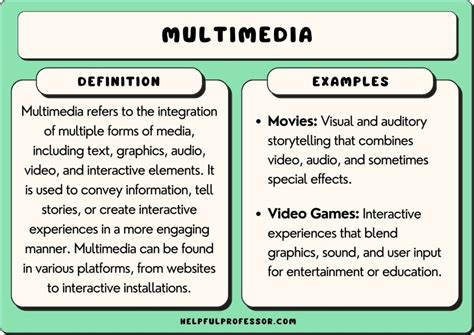
Instead of seeking a single “best” format, the most effective strategy often involves a blended approach. A comprehensive Indie Spotlight might include:
- A foundational, SEO-rich article introducing the game.
- An embedded video showcasing gameplay and a developer interview.
- A short, shareable social media graphic with key game highlights.
- Perhaps a follow-up livestream or podcast segment for deeper dives.
This multi-channel strategy leverages the strengths of each format, reaching a wider audience across different preferences and platforms. The goal is to create an ecosystem of content that continually re-engages and informs, rather than relying on a single touchpoint.
Conclusion: Experimentation is Key
Ultimately, the “best” content format for an Indie Spotlight isn’t a one-size-fits-all solution. It’s a dynamic combination of understanding your target audience, leveraging developer strengths, and experimenting with various presentation styles. By focusing on authentic storytelling, high production values, and strategic distribution across multiple, complementary formats, creators can significantly boost game discovery and cultivate a vibrant community of interested players and fellow developers. The journey of an indie game is unique, and its spotlight should be too.