What are best practices for moderating user-created game mods for safety and quality?

Fostering a Thriving Modding Ecosystem Safely
The explosion of user-created game mods has dramatically extended the lifespan and appeal of countless titles, transforming games into ever-evolving platforms for creativity. However, this vibrant ecosystem also introduces significant challenges for developers and platform owners regarding safety, quality, and adherence to community standards. Effective moderation is not just about damage control; it’s about fostering an environment where innovation flourishes responsibly, protecting players and ensuring the integrity of the game.
Establishing Clear Guidelines and Terms of Service
The foundation of any successful moderation strategy is a comprehensive set of community guidelines and terms of service. These documents must explicitly define acceptable and unacceptable content, including prohibitions against hate speech, harassment, NSFW material, exploits, copyright infringement, or any content that could compromise player safety or game integrity.
Clarity is paramount. Guidelines should be easily accessible, written in plain language, and regularly updated to reflect evolving community expectations and new types of content. Educating users about these rules upfront helps prevent issues and sets clear expectations for mod creators and players alike.

Implementing Robust Vetting and Review Processes
Before a mod goes live, a thorough review process is crucial. This can involve a multi-tiered system combining automated scans and human moderation. Automated tools can flag suspicious files, known malware, problematic keywords, or potential exploits. These tools serve as a critical first line of defense, efficiently sifting through large volumes of submissions.
Human reviewers are indispensable for evaluating subjective content, ensuring quality standards, and catching nuances that automated systems miss. This might include checking for game-breaking bugs, balancing issues, lore inconsistencies, or inappropriate narrative elements. Consider a phased rollout where new mods are initially available to a limited audience for testing before wider release, allowing the community to assist in early detection of issues.
Empowering the Community with Reporting Tools
A community-driven reporting system acts as an invaluable early warning mechanism. Players are often the first to encounter problematic mods or behaviors that slip past initial vetting. Providing easy, anonymous, and effective ways for users to report issues is therefore essential for a dynamic moderation strategy.
Each report should be actionable, including details like the specific mod in question, the nature of the issue, and supporting evidence (e.g., screenshots, video clips). A clear feedback loop, even if generalized, can encourage continued community participation in maintaining a healthy environment and reinforce trust in the moderation system.
Building a Dedicated Moderation Team and Utilizing Advanced Tools
While community reports are vital, a dedicated, trained moderation team is the backbone of any effective system. These individuals understand the game, its community, the specific challenges associated with modding, and the nuances of content policy enforcement.
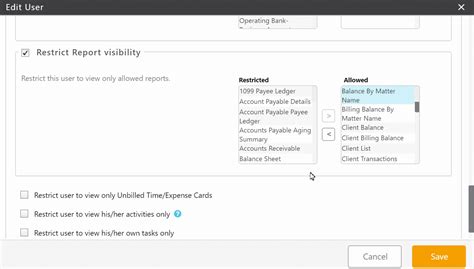
Equip your team with advanced moderation tools: dashboards for managing reports, efficient content filtering systems, robust version control for mods, and the ability to quickly remove, quarantine, or disable problematic content. Integrating AI for preliminary content analysis or anomaly detection can significantly lighten the load and allow human moderators to focus on complex cases.

Fostering Transparency and Adaptability
Transparency builds trust within the modding community. Clearly communicate moderation decisions when possible, explaining why certain actions were taken without revealing sensitive user data. A public “state of moderation” report or regular updates can help the community understand the ongoing efforts and challenges.
The modding landscape is constantly evolving, with new tools, trends, and potential exploits emerging. Best practices today might be insufficient tomorrow. Regular review of guidelines, moderation processes, and tools is necessary. Engage with the modding community to understand their needs and concerns, fostering a collaborative approach to safety and quality that can adapt to future challenges.

Moderating user-created game mods is a continuous balancing act between fostering creative expression and ensuring a safe, high-quality experience for all players. By establishing clear guidelines, implementing robust review mechanisms, empowering the community with reporting tools, investing in dedicated moderation teams and advanced tools, and remaining transparent and adaptable, platforms can cultivate a vibrant and responsible modding ecosystem that benefits everyone involved.