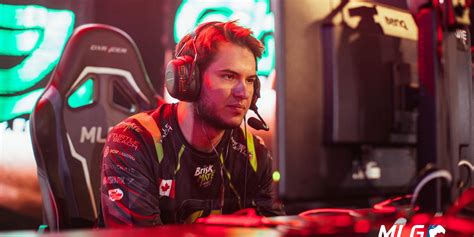
Beyond aim, what essential competitive skills separate good players from pros?
The Foundation: Beyond Mechanical Prowess
In the high-stakes world of esports, the allure of incredible individual plays often highlights the raw mechanical skill of players. Pinpoint aim, lightning-fast reflexes, and flawless execution are undoubtedly crucial, serving as the bedrock upon which all competitive success is built. Many aspiring players spend countless hours refining these aspects, and rightfully so. However, for those who aspire to climb from being a “good” player to a “professional,” the journey requires mastering a complex tapestry of skills that extend far beyond simply clicking heads or executing combos.
The true differentiator between a high-ranked amateur and a seasoned pro lies in their ability to integrate and leverage a suite of cognitive, communicative, and psychological attributes. These are the often-invisible forces that dictate game flow, swing critical moments, and ultimately decide championships.

Mastering Game Sense and Positional Play
One of the most significant gulfs between good players and pros is their understanding and application of “game sense.” This isn’t just about knowing the map layouts; it’s an intuitive and highly developed awareness of the game state at all times. Professional players possess an uncanny ability to read the mini-map, anticipate enemy rotations, and understand the economic implications of every decision. They instinctively know when to push an advantage, when to rotate for an objective, or when to retreat and regroup.
Coupled with game sense is superior positional play. A pro player understands how to leverage every piece of cover, every sightline, and every angle to their advantage. They minimize their risk while maximizing their impact, often by taking positions that are unexpected yet strategically sound. This involves understanding zone control, denying space, and creating opportunities for their teammates, even without direct engagement.
The Art of Communication and Team Synergy
Esports, particularly in team-based titles, is rarely a solo endeavor at the highest level. Flawless communication is paramount. Good players might make occasional calls, but pros engage in a constant, concise, and incredibly efficient dialogue. This includes precise callouts for enemy positions, tracking cooldowns and ultimate abilities, sharing critical information about item purchases, and coordinating complex multi-player executes.
Beyond simple information exchange, professional teams achieve a profound level of synergy. Each player understands their role implicitly and trusts their teammates to execute theirs. Shot-calling becomes an art form, with designated leaders guiding the team through mid-game adjustments and strategic pivots. This level of synchronized play is not accidental; it’s the result of countless hours of practice, building trust, and refining communication protocols until they are second nature.
Adaptability and Mental Fortitude Under Pressure
The competitive landscape is ever-evolving. Opponents come with different strategies, patches change game mechanics, and the unexpected is always a factor. Good players might have a set game plan, but pros demonstrate unparalleled adaptability. They can quickly identify opponent patterns, adjust their playstyle on the fly, and even innovate new strategies mid-match to counter emerging threats. This often requires a deep understanding of meta-game shifts and the ability to think several steps ahead.
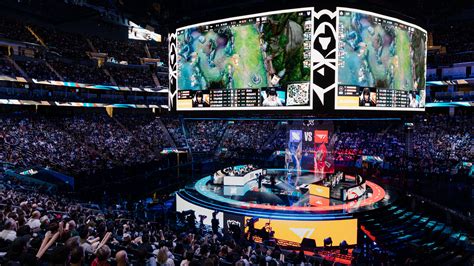
Equally critical is mental fortitude. The pressure in professional esports can be immense, with thousands of dollars and careers on the line. Pros are masters of staying calm under duress, maintaining focus even after making mistakes, and not allowing tilt to affect their performance. They learn from every loss and every misstep, converting setbacks into lessons rather than debilitating blows. Their ability to reset, refocus, and maintain composure in crucial moments often dictates the outcome of tight matches.
Strategic Depth: Macro vs. Micro Decisions
Professional players operate on multiple strategic layers simultaneously. They excel at both macro and micro decision-making. Macro strategy encompasses the overarching game plan: managing economy, controlling objectives, resource allocation (like ultimate abilities or major items), and understanding win conditions over the entire match. They can project several minutes into the future, anticipating enemy power spikes and planning their responses accordingly.
Micro strategy, on the other hand, involves the precise execution of individual plays. This includes optimal utility usage (grenades, spells, abilities), precise engagements, and positioning within a skirmish. While good players might understand the basics, pros can squeeze every last ounce of advantage from their kit and environment, often turning seemingly lost fights into victories through sheer strategic superiority at the micro level.
Conclusion: The Holistic Professional
Ultimately, the journey from a good player to a professional is a transformative one, moving beyond mere mechanical proficiency to embrace a holistic mastery of the game. While aim and reflexes provide the necessary foundation, it is the sophisticated interplay of game sense, effective communication, unwavering adaptability, mental resilience, and multi-layered strategic thinking that truly elevates players to the highest echelons of esports. These are the silent, yet profoundly powerful, skills that separate the contenders from the champions, proving that intelligence and temperament are just as vital as raw talent in the competitive arena.