How can our gaming guides offer both quick tips and comprehensive walkthroughs effectively?

Navigating the Dual Demands of Modern Gaming Guides
In the fast-paced world of gaming, players often seek two distinct types of assistance: quick, actionable tips for immediate challenges and in-depth, comprehensive walkthroughs for mastering entire game sections or overcoming complex obstacles. Crafting guides that effectively cater to both these needs is a crucial task for any gaming resource. The key lies in intelligent design and structural flexibility, ensuring players can find exactly what they need, when they need it, without sifting through unnecessary information.

The Layered Approach: Quick Wins to Deep Dives
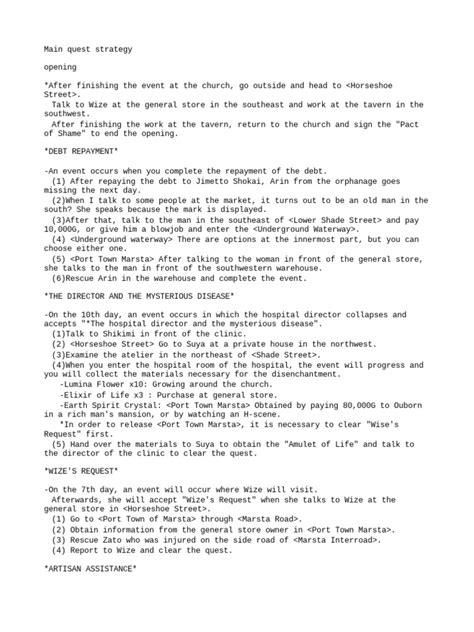
One of the most effective strategies is to adopt a layered content approach. This means starting with easily digestible information and then progressively revealing more detail. For instance, each section or chapter of a guide could begin with a “Quick Tips” summary or a bulleted list of essential actions. This allows players looking for a swift answer to get it immediately and move on. Following these quick tips, the guide can then expand into a more comprehensive walkthrough, detailing every step, enemy encounter, puzzle solution, and collectible location.
This structure serves multiple player types: the casual gamer who just needs a nudge past a boss, the completionist aiming for 100%, and the lore enthusiast keen on understanding every narrative beat. Clear visual cues, such as distinct boxes for tips or collapsible sections, can further enhance this experience.
Strategic Navigation and Interactive Elements
Beyond the content itself, the presentation and navigability are paramount. A robust table of contents, preferably interactive and linked, is essential. This allows users to jump directly to specific levels, missions, boss fights, or puzzle solutions. Using clear, descriptive headings and subheadings throughout the guide helps segment the information logically. For very long walkthroughs, “jump links” within paragraphs or at the start of major sections can quickly take a user to a specific point of interest, bypassing text they’ve already read or don’t need.
Integrating search functionality within the guide itself, or ensuring the guide is highly SEO-optimized for specific in-game queries, also plays a significant role in helping users pinpoint information efficiently. The goal is to minimize friction between the player’s query and the guide’s answer.

Visual Reinforcement and Multimedia Integration
Visual aids are indispensable for both quick tips and comprehensive walkthroughs. For quick tips, concise screenshots highlighting key locations, items, or enemy weak points can convey information faster than text alone. For comprehensive walkthroughs, a combination of well-captioned screenshots, detailed maps, and embedded video clips demonstrating complex sequences (like platforming sections or intricate puzzle solutions) can be incredibly powerful. Videos offer a direct, step-by-step visual instruction that text sometimes struggles to replicate, while images provide quick reference points.
Infographics can also distill complex game mechanics or character builds into easily digestible visual formats, serving both quick reference and a deeper understanding.
Highlighting Key Information and User Engagement
To ensure critical information stands out, guides should utilize various highlighting techniques. “Pro-Tip” boxes, “Warning” alerts for missable items or irreversible choices, and “Key Takeaway” summaries can draw immediate attention to crucial details. Consistent formatting for these elements across the guide enhances readability and user experience.
Finally, fostering a sense of community can turn a static guide into a living resource. Allowing comments, user-submitted tips, or a dedicated Q&A section can add layers of information that a single author might miss, enriching the comprehensive aspect and providing additional quick solutions.

Conclusion: The Art of Balanced Assistance
Ultimately, the most effective gaming guides are those that recognize and respect the diverse needs of their audience. By implementing a layered content structure, prioritizing intuitive navigation, leveraging rich multimedia, and strategically highlighting critical information, guide creators can successfully offer both the immediate gratification of quick tips and the satisfying depth of comprehensive walkthroughs. This balanced approach not only enhances the player’s experience but also establishes the guide as an invaluable companion throughout their gaming journey.