Post-patch, how do I adapt my DPS build for optimal PvP meta synergy?

The dynamic landscape of competitive PvP constantly shifts with each major game patch. For a dedicated Damage Per Second (DPS) player, this often means more than just reading patch notes; it demands a critical re-evaluation and adaptation of their entire build. Achieving optimal meta synergy post-patch isn’t about blindly copying top players, but understanding the underlying changes and strategically adjusting your loadout to dominate the new battlefield.
Understanding the Post-Patch Meta Shift
Patches introduce a ripple effect, altering everything from ability coefficients and item stats to entire class mechanics. The first step in adapting your DPS build is to meticulously analyze these changes. Pay close attention to buffs and nerfs affecting your primary class and abilities, but also observe shifts in other classes that might indirectly impact your matchups. Are certain crowd control effects now more potent? Has a tank spec become unkillable, or a healer suddenly fragile? Understanding these broader shifts is crucial for identifying new power spikes and vulnerabilities in the meta.
Key Areas for DPS Build Adaptation
Adapting isn’t a one-size-fits-all solution; it involves a multi-faceted approach to your build. Here are the core components you’ll need to scrutinize and adjust:
1. Stat Prioritization and Gearing
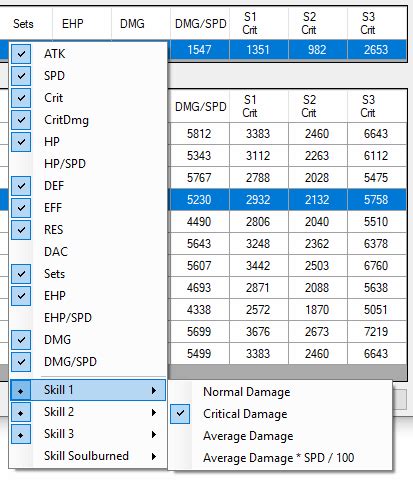
A common post-patch change involves the rebalancing of primary and secondary stats. What once was your best-in-slot stat might now be less effective, or a previously niche stat could have gained significant value. Re-evaluate your stat weights. Does critical strike still reign supreme, or has haste become the new king for maximizing ability uptime and burst windows? Similarly, your gear choices must reflect these new priorities. Don’t be afraid to swap out pieces that no longer offer optimal stat distribution, even if they were previously considered powerful.
2. Ability and Talent Revisions
Direct buffs or nerfs to abilities are the most straightforward changes to address. If a core damage ability has been weakened, explore alternative rotations or talent choices that might compensate. Conversely, a newly buffed ability might open up entirely new build possibilities or burst sequences. Dive deep into your talent tree or skill point allocation. Are there specific talents that synergize better with the current meta’s pace, or offer counters to prevalent enemy strategies? Consider utility abilities too; sometimes a slight tweak to your interrupt or defensive cooldown setup can make all the difference.
3. Trinkets, Consumables, and Enchants
These often overlooked elements can provide the marginal gains needed to push your build from good to great. New trinkets might emerge as must-haves due to their procs or active effects synergizing with the new meta. Likewise, re-assess your enchants and consumables (potions, flasks, food buffs). Are there any that provide a direct counter to a dominant opponent strategy or amplify your new stat priorities?

4. Adapting Your Playstyle
Beyond the numbers and items, a significant part of meta adaptation is changing how you play. If the meta has shifted to faster, burstier fights, your positioning and target prioritization need to reflect that. Are you focusing on squishier targets that are now more vulnerable? Are you playing more defensively to survive new burst windows? Synergy with your team is paramount; communicate with healers and tanks about new timings for crowd control, burst, or defensive plays.

Iterative Testing and Refinement
The journey to optimal meta synergy is rarely a one-shot deal. Once you’ve theorycrafted your changes, take them into actual PvP scenarios. Start in less competitive environments (casual battlegrounds, skirmishes) before moving to ranked play. Pay close attention to what works and what doesn’t. Use combat logs, replay tools, and self-reflection to identify weaknesses. Don’t be afraid to iterate; successful adaptation often involves multiple rounds of tweaks, testing, and further adjustments based on real-world performance.

Conclusion
Post-patch adaptation for DPS in PvP is a continuous cycle of analysis, adjustment, and refinement. Embrace the changes, stay informed by community discussions and top-player insights, but most importantly, understand the ‘why’ behind the meta shifts. By strategically updating your stats, abilities, gear, and playstyle, you won’t just keep up with the meta; you’ll be poised to dominate it, ensuring your DPS build remains sharp and impactful on the ever-evolving battlefield.