





How to structure gaming guides for quick info retrieval and minimal spoiler risk?
Crafting effective gaming guides is an art form that balances comprehensive information with user-friendly accessibility. For many players, the goal isn’t to read a guide cover-to-cover, but to quickly find a specific piece of information without encountering spoilers for parts of the game they haven’t experienced yet. This requires a thoughtful approach to structure and presentation.
The Dual Challenge: Speed and Secrecy
The primary challenge for guide writers is to cater to two distinct types of users: those seeking a quick solution to a specific problem (e.g., “Where is this item?”) and those looking for more comprehensive assistance without revealing future plot points or surprises. Achieving this balance hinges on robust organizational principles and careful spoiler management.
Foundational Principles for Guide Structure
1. Modular Design and Clear Sectioning
Break down the guide into logical, self-contained modules. Use clear headings (<h2>, <h3>, <h4>) to delineate major topics, sub-topics, and specific steps. This allows users to scan and jump directly to the relevant section. For instance, a quest guide might have sections for “Quest Start,” “Objectives,” “Walkthrough Step 1,” “Rewards,” etc.
2. Navigable Table of Contents (TOC)
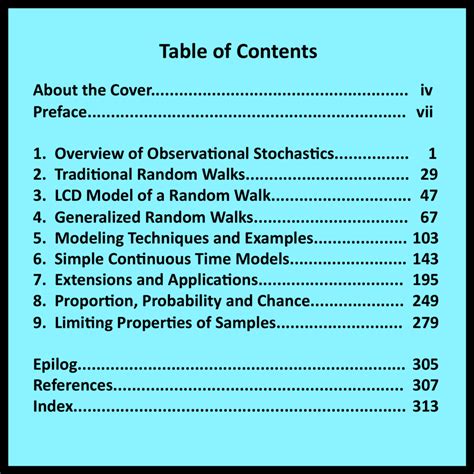
An interactive Table of Contents at the beginning of the guide is paramount. It should list all major sections and link directly to them, providing an immediate overview of the guide’s scope and quick navigation. This feature alone drastically reduces retrieval time.
3. Proactive Spoiler Management
This is perhaps the most critical aspect. Implement a multi-layered approach to spoilers:
- General Spoiler Warnings: Place a prominent warning at the very top of the guide, stating that spoilers might be present beyond a certain point or for specific sections.
- Contextual Warnings: Add specific warnings before sections that contain major plot spoilers, boss strategies that reveal story elements, or character fates.
- Progressive Disclosure: For highly sensitive information (e.g., end-game twists, secret endings), consider using collapsible sections, toggle buttons, or separate “Spoiler” pages/sections that users must actively click to reveal. This empowers users to control their spoiler exposure.

4. Concise Language and Skimmable Formatting
Use direct, unambiguous language. Employ formatting techniques to enhance readability and skimmability:
- Bullet Points and Numbered Lists: Ideal for steps, item lists, or requirements.
- Bold Text: Highlight key terms, item names, character names, or critical instructions.
- Short Paragraphs: Avoid dense blocks of text.
- Consistent Terminology: Use in-game names and terms consistently.
Implementing Effective Structure in Practice
Structuring Different Guide Types
Quest or Mission Guides
Typically linear, these guides benefit from a step-by-step format. Each step should be clearly numbered and detail objectives, locations, and potential challenges. Include side-quest details separately or in a clearly marked sub-section. Start with prerequisites and quest givers, end with rewards.
Item, Crafting, or Collectible Guides
These are best organized by categories (e.g., by type, location, rarity, or crafting recipe). A searchable table or database format is ideal, allowing users to quickly filter or search for specific items. Information for each entry should include name, description, how to obtain, usage, and any relevant statistics.
Build or Strategy Guides
These often require a more analytical approach. Structure them with sections for “Overview,” “Core Components” (e.g., stats, gear, skills), “Playstyle,” “Pros & Cons,” and “Variations.” Emphasize the rationale behind choices and provide practical application advice. Spoiler warnings are less common here, but specific boss strategies might warrant them.

The Role of Metadata and Searchability
Beyond internal structure, consider how search engines and users will find your guide. Use descriptive and relevant tags (keywords) for the guide itself. Within the content, using the game’s official terminology and common search terms will improve its discoverability for players looking for specific solutions.
Conclusion
Structuring gaming guides effectively is about more than just presenting information; it’s about optimizing the player’s experience. By adopting modular design, implementing clear navigation with a Table of Contents, meticulously managing spoilers, and using concise, well-formatted language, guide creators can ensure that players find the help they need quickly and without inadvertently spoiling their adventure. A well-structured guide respects the player’s time and their desire to uncover the game’s secrets at their own pace.



