How can game developers best support a thriving, non-toxic modding community?

Modding communities are often the lifeblood of a game’s longevity, creativity, and player engagement. They extend a game’s lifespan, offer fresh experiences, and foster incredible innovation. However, without proper support and foresight from game developers, these communities can sometimes devolve into toxic environments, undermining the very benefits they’re meant to provide. Cultivating a thriving, non-toxic modding scene requires a proactive and thoughtful approach, blending technical support with strong community management principles.
Establish Clear Guidelines and Enforcement
The foundation of any healthy community is a well-defined set of rules. Developers should publish clear, accessible guidelines that outline acceptable behavior, content standards, and intellectual property boundaries for all mods. This isn’t just about preventing malicious content; it’s also about setting expectations for respect and inclusivity. Importantly, these guidelines must be consistently enforced. A robust moderation system, whether through community-led efforts or developer oversight, is essential for addressing problematic content or behavior swiftly and fairly. Transparency in moderation decisions can also help build trust within the community.

Provide Robust Developer Tools and Documentation
Empowering modders starts with providing them the right tools. This includes well-documented APIs, SDKs, modding tools, and clear guides on how to use them effectively. The easier it is for aspiring modders to get started and for experienced modders to push boundaries, the more creative and diverse the modding scene will become. Regularly updating these tools and ensuring compatibility with new game patches shows commitment and prevents modders from having to constantly re-engineer their creations, which can be a significant source of frustration.
Foster Open Communication and Feedback Channels
Developers should actively engage with their modding community. This means creating dedicated forums, Discord channels, or other platforms where modders can ask questions, share ideas, report bugs, and provide feedback directly to the development team. Listening to their needs, addressing their concerns, and even involving them in discussions about future game updates or tool improvements can make modders feel valued and invested. This two-way communication builds a bridge of trust and collaboration.
Showcase and Promote Modder Creations
Highlighting exceptional mods and the talented individuals behind them is a powerful way to encourage creativity and reward positive contributions. This could involve regular “Mod Spotlights” on official channels, integrating a curated list of mods directly into the game’s launcher, or even hosting official modding contests. Recognition not only motivates modders but also exposes their work to a broader player base, driving engagement and reinforcing a sense of community pride.

Implement Accessible Reporting and Conflict Resolution
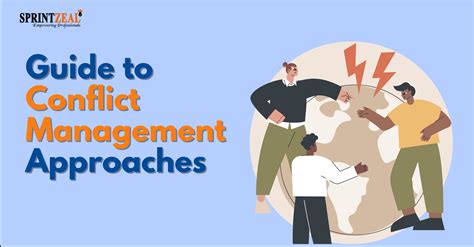
Even with clear rules and active communication, conflicts and toxicity can arise. Developers need to provide easy-to-use reporting mechanisms for players and modders to flag inappropriate content or behavior. Beyond just warnings or bans, having a structured process for conflict resolution, mediation, or appeal can help address disputes constructively and prevent escalation. A swift and fair response to reported issues demonstrates that the developer takes community well-being seriously.

Consider Responsible Monetization Options (If Any)
While often controversial, carefully considered monetization options for modders (e.g., through official marketplaces with clear revenue sharing) can incentivize high-quality work and dedication. However, this must be approached with extreme caution, transparency, and community input to avoid alienating modders or creating a pay-to-win environment. The focus should always remain on supporting creativity rather than exploiting it.
Conclusion
Supporting a thriving, non-toxic modding community isn’t just a nicety; it’s a strategic investment in a game’s future. By committing to clear guidelines, providing robust tools, engaging openly, showcasing creativity, and effectively managing conflicts, developers can transform their games into enduring platforms for player expression and collaborative innovation. This symbiotic relationship ultimately benefits everyone, fostering a richer, more diverse, and infinitely more enjoyable gaming experience for all.