





How can our game guides quickly show crucial info without spoilers?
Creating effective game guides is a delicate art, especially when the goal is to provide crucial assistance without inadvertently spoiling the player’s experience. The challenge lies in striking the perfect balance: offering just enough information to overcome an obstacle, yet preserving the thrill of discovery and the narrative integrity of the game. This article explores practical strategies for designing game guides that are both incredibly helpful and meticulously spoiler-free, ensuring players can progress without having their journey undermined.
The Core Challenge: Balancing Helpfulness and Discovery
Players turn to guides for various reasons: they’re stuck on a puzzle, looking for a specific item, trying to understand a game mechanic, or seeking to optimize their playthrough. However, a common frustration is encountering spoilers—be it plot twists, boss encounters, secret locations, or late-game abilities—that diminish the enjoyment of organically discovering these elements. Our aim is to prevent this, ensuring guides act as a supportive companion rather than a narrative disruptor.
Strategic Content Organization: The Foundation
The first line of defense against spoilers is impeccable content organization. Guides should be structured in a modular fashion, allowing players to find exactly what they need without sifting through unrelated sections. This involves:
- Progressive Disclosure: Information should be revealed incrementally. For example, a guide for a specific quest should only detail the steps for that quest, not future quests or unrelated secrets.
- Clear Categorization: Separate sections for main story quests, side quests, collectibles, achievements, character builds, and general mechanics. This lets players navigate directly to their area of interest.
- Named Sections: Use clear, descriptive headings (e.g., “Chapter 3: The Sunken City,” “Side Quest: The Missing Scroll,” “Collectible: Ancient Rune #5”) that indicate content without giving away outcomes.
Implementing Spoiler Safeguards
Even with excellent organization, some information naturally borders on spoiler territory. Here’s how to handle it:
- Explicit Spoiler Warnings: Clearly mark sections that contain spoilers with a bold, visible warning. Offer a “click to reveal” or expandable text option for plot-critical information, boss strategies, or secret endings. This empowers the player to decide if they want to proceed.
- Hint-Based Solutions: Instead of immediate answers for puzzles, consider offering tiered hints. A first hint might nudge the player in the right direction, a second hint might be more specific, and only a third hint provides the direct solution.
- Optional Sections: Place highly secretive or lore-heavy information in clearly labeled optional sections that players can choose to explore after completing the game or if they specifically seek out deep lore.
Designing for Quick Information Retrieval
Crucial information needs to be instantly digestible. Players often come to a guide mid-game, needing a quick fact to proceed. Employ these design principles:
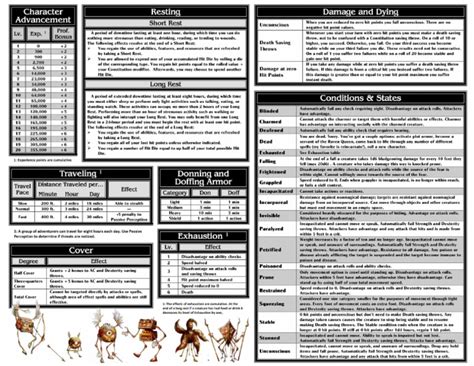
- Tables and Bullet Points: For quick facts like item locations, enemy weaknesses, resource farming, or skill trees, use tables and bullet points. These formats are easy to scan and retrieve specific data points.
- Key Takeaways: Summarize essential information at the beginning of each section or paragraph. Bold important terms, names, or locations.
- Visual Cues: Use icons, color-coding, or simple diagrams to highlight specific types of information (e.g., a chest icon for treasure, a sword icon for combat tips, a question mark for puzzle hints).
Empowering Player Choice and Interaction
Modern game guides can move beyond static text by incorporating interactive elements that put the player in control of information disclosure:
- Interactive Maps: Instead of fully revealed maps, offer maps that only show explored areas or key points of interest relevant to the current quest. Allow players to filter markers or reveal hidden areas upon interaction.
- Search Functionality: A robust search bar is indispensable, allowing players to pinpoint specific items, quests, or NPCs without browsing through potentially spoiler-filled content.
- Contextual Guides: Some games can integrate guides directly, offering hints that are context-sensitive to the player’s current progression, minimizing the risk of accidental spoilers.

Beyond Text: Leveraging Multimedia
Sometimes, a short visual or audio clip can convey information more efficiently and safely than paragraphs of text:
- Short, Focused Video Clips: For complex mechanics, puzzle solutions, or specific platforming sections, a brief, silent video clip (without revealing subsequent areas or plot) can be incredibly effective.
- Annotated Screenshots: Use screenshots with arrows or circles to highlight specific interactable objects, paths, or enemy weak points, but ensure they don’t show too much of the surrounding environment or future areas.
- Audio Cues: If a puzzle relies on sound, an audio snippet can provide the necessary information without textual spoilers.
Continuous Improvement and Feedback
The best spoiler-free guides are living documents that evolve with player feedback. Encourage users to report accidental spoilers or suggest better ways to present information. Regular updates based on community input ensure the guide remains a trustworthy and player-friendly resource. User testing with players at different stages of the game can also reveal unexpected spoiler pitfalls.

Ultimately, crafting a game guide that quickly shows crucial info without spoilers boils down to empathy for the player experience. By prioritizing progressive disclosure, clear organization, explicit warnings, quick-scan formats, and interactive elements, we can create resources that genuinely assist players, enhancing their journey through the game rather than diminishing it. The goal is to inform, not to reveal, preserving the magic of discovery for every gamer.



