How to diagnose & fix stuttering in PC games with high FPS?

Understanding the Paradox: High FPS Stutter
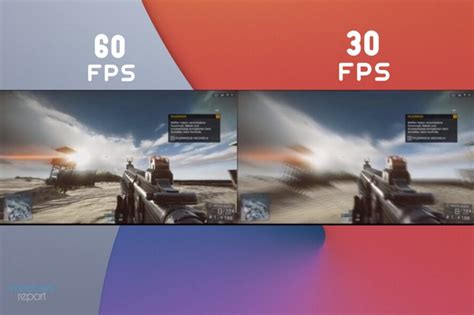
Experiencing stuttering in PC games can be incredibly frustrating, especially when your frames-per-second (FPS) counter indicates high numbers. This seemingly contradictory issue often stems from poor frame pacing rather than a lack of raw performance. While high FPS represents the average number of frames rendered per second, stuttering occurs when there are inconsistent delays between individual frames, leading to momentary hitches or freezes that disrupt the fluidity of gameplay. Understanding this distinction is the first step toward a solution.

Step 1: Diagnose with Monitoring Tools
Accurate diagnosis is crucial. You’ll need tools to monitor your system’s performance metrics, particularly frame times. MSI Afterburner, paired with RivaTuner Statistics Server (RTSS), is the gold standard for this. These tools allow you to overlay real-time data, including FPS, frame time (milliseconds per frame), CPU and GPU usage, temperatures, and more.
Pay close attention to the frame time graph. A smooth, consistent line indicates good frame pacing, while erratic spikes or drops signify stuttering. Comparing CPU and GPU usage can also reveal bottlenecks; if one component is consistently at 100% while the other is significantly lower, it might be the culprit.
Step 2: Common Causes and Solutions
Driver-Related Issues
Outdated, corrupt, or improperly installed graphics drivers are a frequent cause of stutter. Always ensure you have the latest stable drivers for your NVIDIA, AMD, or Intel GPU. A clean installation (using Display Driver Uninstaller – DDU) is often recommended to remove any remnants of previous drivers that might cause conflicts.
Don’t overlook other drivers, such as chipset, audio, and network drivers, as they can also contribute to system instability and stutter if not up-to-date.
Software Conflicts and Background Processes
Other software running in the background can interfere with game performance. Overlays (Discord, Steam, GeForce Experience), antivirus programs, browser tabs, and even certain system utilities can consume resources or introduce latency. Try disabling all unnecessary background applications and overlays when gaming. Performing a clean boot can help identify if third-party software is the cause.
Refresh Rate and Adaptive Sync Technologies
Incorrect refresh rate settings or improper use of adaptive sync technologies (NVIDIA G-Sync, AMD FreeSync) can introduce stutter or tearing. Ensure your display’s refresh rate in Windows settings matches its native refresh rate. When using G-Sync or FreeSync, enable it in both your GPU control panel and monitor settings. For the smoothest experience, cap your in-game FPS just below your monitor’s refresh rate (e.g., 141 FPS for a 144Hz monitor with G-Sync/FreeSync enabled) using RivaTuner Statistics Server (RTSS).
CPU Bottleneck and Frame Pacing
Even with high average FPS, a CPU struggling to deliver frames consistently can lead to stutter. This is often visible if your CPU usage is high (especially on certain cores) while your GPU isn’t fully utilized. Try reducing CPU-intensive settings in games, such as crowd density, physics, or drawing distance. Ensure your CPU isn’t thermal throttling (see below).
RAM Speed and Configuration
Insufficient or slow RAM can cause stutter as the system struggles to load assets quickly. Ensure you have enough RAM (16GB is standard for modern gaming) and that it’s running in dual-channel configuration at its advertised speed, usually by enabling the XMP (Intel) or DOCP (AMD) profile in your BIOS/UEFI.
Storage and OS Performance
While less common with high FPS, slow storage (traditional HDDs) can cause stutter, especially in open-world games as assets stream. Ensure your games are installed on a fast SSD. Also, keep your operating system updated and perform regular disk cleanup and defragmentation (for HDDs only).
Power Management Settings
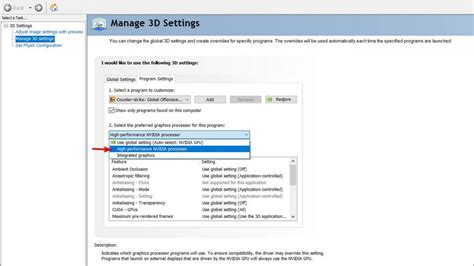
Incorrect power settings can limit your hardware’s performance. In Windows Power Options, set your plan to “High Performance” or “Ultimate Performance.” For NVIDIA GPUs, go to the NVIDIA Control Panel > Manage 3D settings > Power Management Mode and set it to “Prefer maximum performance.” AMD users should check similar settings in Radeon Software.
In-Game Settings and Shader Compilation
Certain in-game settings can contribute to stutter. Experiment with texture streaming, shadow quality, and anti-aliasing. Some games compile shaders during gameplay, which can cause temporary stutters – these usually resolve after the initial play session. If a game has an FPS cap option, try using it instead of RTSS to see if it makes a difference.
Thermal Throttling
Overheating components (CPU, GPU, VRMs) will reduce their clock speeds to prevent damage, leading to sudden drops in performance and stuttering. Monitor your temperatures using MSI Afterburner or HWMonitor. Ensure adequate cooling, clean your PC of dust, and check that fans are working correctly. Consider reapplying thermal paste if temperatures are consistently high.
Step 3: Advanced Troubleshooting and Last Resorts
If the above steps don’t resolve the issue, consider these more advanced options: update your motherboard’s BIOS/UEFI, check for firmware updates for your SSD, or even perform a clean reinstallation of Windows as a last resort. This eliminates any potential software corruption or deep-seated driver conflicts.
Conclusion
Stuttering with high FPS is a complex issue, but with systematic diagnosis and troubleshooting, it can almost always be resolved. The key is to monitor your system’s performance, identify the inconsistent frame times, and then address the underlying causes one by one. By methodically working through these steps, you can achieve the buttery-smooth gaming experience your high-performance PC is capable of delivering.