How to streamline Indie Spotlight submissions & vetting for consistent, quality content?

For any platform aiming to highlight independent creators, an “Indie Spotlight” feature is invaluable. It not only provides a much-needed platform for rising talent but also enriches your audience with fresh, diverse content. However, managing submissions and ensuring a consistent standard of quality can quickly become overwhelming. This article delves into practical strategies to streamline your Indie Spotlight submission and vetting processes, ensuring a steady flow of engaging, high-quality features.
Establishing Clear Guidelines and Vision
Before you even open the floodgates for submissions, it’s crucial to clearly define what an “Indie Spotlight” means for your platform. What kind of content are you looking for? What genres, themes, or creator types align with your audience? Establishing explicit criteria for selection—such as originality, production quality, narrative depth, or community impact—is paramount. These guidelines should be easily accessible and unambiguous, acting as the first filter for potential submissions. A well-defined vision not only attracts relevant creators but also empowers your vetting team to make consistent decisions.

Designing an Intuitive Submission Platform
The submission portal itself is often the first point of contact, and its efficiency directly impacts the quality and quantity of submissions you receive. Opt for a user-friendly platform that minimizes friction for creators while gathering all necessary information. Key elements include:
- Structured Forms: Use specific fields for project name, creator contact, genre, key features, target audience, and links to playable demos, trailers, or portfolios. Avoid open-ended text boxes where structured data is more useful.
- Required Assets: Clearly state what assets are needed (e.g., high-res screenshots, promotional video, press kit link) and provide clear instructions for upload or linking.
- FAQ and Support: Offer a comprehensive FAQ section addressing common queries and provide a dedicated support channel for technical issues.
Consider using existing tools like Google Forms (for simplicity), Trello (for managing stages), or specialized submission platforms that can automate parts of the process.

Developing a Robust Vetting and Evaluation Framework
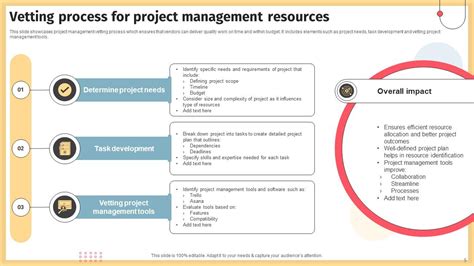
Once submissions start rolling in, an organized vetting system is critical to prevent bottlenecks and ensure fairness. This process can be broken down into several stages:
- Initial Screening (Tier 1): A quick check for completeness and basic adherence to guidelines. Submissions missing crucial information or clearly outside the scope can be filtered out early.
- Detailed Evaluation (Tier 2): A dedicated team or individual reviews the eligible submissions against your defined criteria. This might involve playing demos, watching trailers, and assessing the overall potential. A standardized scoring rubric or checklist can greatly enhance consistency here.
- Team Review & Discussion (Tier 3): For top contenders, a small committee discusses the merits, potential impact, and fit with the overall content strategy. This ensures diverse perspectives and reduces individual bias.
- Feedback Loop: Even for rejected submissions, consider offering brief, constructive feedback where feasible. This builds goodwill within the indie community.
Maintaining Quality and Consistency in Output
Beyond the vetting process, maintaining the quality of the final “Spotlight” content is paramount. This involves standardizing how you produce the features:
- Content Templates: Develop templates for articles, interviews, or videos to ensure a consistent look, feel, and information structure.
- Editorial Guidelines: Provide clear editorial guidelines for tone, style, and accuracy to content creators or internal writers.
- Proofreading & Editing: Implement a rigorous proofreading and editing process before publication to catch errors and refine messaging.
- Scheduled Releases: Plan a consistent release schedule for your Indie Spotlights. This creates anticipation among your audience and helps manage your content pipeline.
Utilizing Tools for Streamlined Workflow
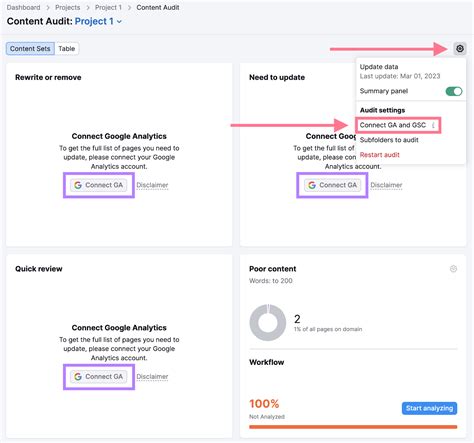
Technology can significantly enhance your streamlining efforts. Project management tools (e.g., Asana, Trello, Monday.com) can track submission progress, assign tasks, and set deadlines. Communication platforms (e.g., Slack, Discord) facilitate quick team discussions. Automated email responses can acknowledge submissions and provide status updates. For larger operations, consider custom database solutions or content management systems (CMS) with submission functionalities built-in. The goal is to reduce manual administrative tasks, allowing your team to focus on evaluation and content creation.

Conclusion: A Win-Win for Creators and Audiences
A well-oiled Indie Spotlight submission and vetting machine is a powerful asset. It not only empowers you to efficiently discover and promote exceptional indie talent but also ensures your audience consistently receives high-quality, engaging content. By investing in clear guidelines, an intuitive submission process, a robust vetting framework, and consistent content production, you build a reputable platform that benefits both independent creators and your dedicated readership. Streamlining isn’t just about efficiency; it’s about fostering a thriving ecosystem.