Which Indie Spotlight format best boosts game discovery and player conversion?

The Challenge of Standing Out in the Indie Game Market
In the vast, ever-expanding universe of video games, indie titles face a unique paradox: immense creative freedom coupled with intense competition for player attention. Thousands of new games launch across various platforms each year, making game discovery one of the most significant hurdles for independent developers. This is where the concept of an “Indie Spotlight” becomes invaluable – a dedicated moment or platform designed to highlight a game and connect it with potential players. But with various formats available, developers are often left wondering: which approach offers the best chance at boosting visibility and converting that interest into actual purchases or long-term engagement?
Understanding the Landscape of Indie Spotlights
Indie spotlights come in many forms, each with distinct advantages and disadvantages depending on the game, target audience, and developer goals. From prime placement on digital storefronts to in-depth features by gaming media, and community-driven showcases, understanding these avenues is the first step towards a successful discovery and conversion strategy. The ultimate goal isn’t just to be seen, but to compel players to act – whether that’s wishlisting, downloading a demo, or making a direct purchase.
Storefront Features: The Direct Pipeline to Players
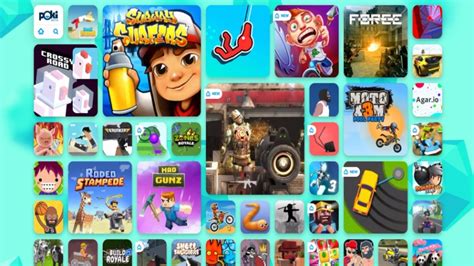
Being featured on major digital storefronts like Steam, Epic Games Store, Nintendo eShop, or Xbox Games Store is often considered the holy grail of indie game discovery. These features can include front-page banners, curated lists, daily deals, or genre-specific recommendations. The advantages are clear: massive built-in audiences, immediate purchasing options, and a strong sense of legitimacy. A well-timed storefront feature can lead to an explosive surge in sales and wishlists, providing a significant financial boost and wide exposure.
However, securing such a spotlight is highly competitive and often beyond a developer’s direct control, relying on platform curators. The impact can also be fleeting, with visibility typically lasting only a few days before being replaced by newer titles. Developers must ensure their game’s store page is highly optimized with compelling visuals, a clear description, and an enticing trailer to maximize conversion during this brief window.
Editorial and Media Spotlights: Building Credibility and Niche Appeal
Features in prominent gaming publications (online and print), reputable blogs, or specialist websites offer a different kind of boost. An in-depth review, a developer interview, or a dedicated preview article from outlets like PC Gamer, IGN, Eurogamer, or smaller, genre-specific sites lends significant credibility. These spotlights often reach a more engaged and discerning audience, particularly those who trust specific critics or writers.
The benefits include long-tail discovery (articles can be found years later), a boost to public relations, and attracting a highly targeted player base who resonate with the editorial perspective. While direct conversion might not be as immediate as a storefront feature, the impact on reputation and word-of-mouth can be profound. The challenge lies in catching the attention of busy journalists and standing out in their inbox, often requiring a compelling press kit and a unique hook.

Community Showcases and Influencer Collaborations: Authentic Reach
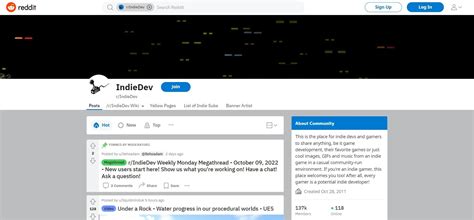
In the age of social media and streaming, community-driven spotlights and collaborations with content creators have become increasingly powerful. Events like indie game festivals (online or physical), developer showcases on Reddit or Discord, and partnerships with Twitch streamers or YouTube personalities can generate highly authentic and engaged discovery. Influencers, in particular, can introduce a game to their dedicated audience, who often trust their recommendations implicitly.
The conversion rates from these sources can be exceptionally high, as viewers often feel a direct connection to the creator and are more likely to act on their suggestions. The challenge is identifying the right influencers whose audience aligns with the game, building genuine relationships, and managing potential costs. Authenticity is key here; forced or overly commercial collaborations can backfire.

Beyond the Spotlight Format: Maximizing Conversion
While the format of an Indie Spotlight significantly impacts discovery, effective conversion hinges on several universal factors:
- Game Quality: A captivating game with solid mechanics and appealing aesthetics is the foundational requirement. No spotlight can sustainably boost a fundamentally flawed product.
- Strong Store Page/Landing Page: Regardless of where players discover the game, their next stop is typically a store page or dedicated website. This page must be optimized with high-quality screenshots, an engaging trailer, clear calls to action (wishlist, buy, demo), and positive user reviews.
- Targeted Audience: Understanding who your game is for allows you to select spotlight formats that reach those specific players most effectively. A niche RPG might benefit more from a dedicated RPG blog than a general storefront feature.
- Pre- and Post-Spotlight Strategy: Building hype before a spotlight (e.g., through social media campaigns) and capitalizing on its momentum afterward (e.g., engaging with new players, responding to feedback) are crucial for sustained success.
- Community Engagement: Actively interacting with players on forums, social media, and Discord can turn casual interest into dedicated fans, especially after a game gets a spotlight.
Conclusion: A Multi-Pronged Approach for Lasting Impact
There isn’t a single “best” Indie Spotlight format that universally guarantees discovery and conversion. Instead, the most effective strategy involves a thoughtful, multi-pronged approach tailored to the specific game and its developmental stage. Combining the broad reach of storefront features with the credibility of editorial coverage and the authentic engagement of community showcases often yields the strongest results.
Ultimately, successful indie game discovery and player conversion are not just about getting noticed for a brief moment, but about building a sustainable presence and a dedicated player base. This requires not only strategic promotion but also a fundamentally great game, presented optimally, and supported by ongoing community engagement. Developers who thoughtfully integrate various spotlight formats into a cohesive marketing strategy will be best positioned to thrive in the competitive indie landscape.