How to quickly adapt your build to counter shifting game meta?

In the dynamic world of online gaming, what’s powerful today might be obsolete tomorrow. The ‘meta’ – the most effective tactics available – is a fluid entity, constantly shifting with new patches, character releases, and community discoveries. Sticking to a static build or strategy in the face of these changes is a surefire way to fall behind. This article will guide you on how to develop the agility needed to swiftly adapt your build and maintain your edge against a shifting game meta.
Understanding the Meta’s Lifecycle
Before you can adapt, you must first understand how and why the meta shifts. Game developers release patches that buff or nerf characters, items, or abilities, directly altering the power landscape. Beyond official changes, players discover new synergies or counters, creating emergent strategies that can dominate the competitive scene. This cycle of change and discovery forms the meta’s lifecycle. Successful players aren’t just reacting; they’re anticipating or even contributing to these shifts.
Key Principles for Agile Build Adaptation
Agile adaptation isn’t about mindlessly copying top players; it’s about understanding the underlying principles that make certain builds effective in a given meta. Cultivating this deeper understanding allows for independent, effective decision-making.
Keep an Eye on Patch Notes & Pro Play
The most direct indicator of an impending meta shift is the release of patch notes. Read them thoroughly, paying attention to numerical changes, reworks, and new content. Try to predict the implications of these changes before they even hit live servers. Complement this by observing high-level competitive play or top streamers. They often identify optimal strategies faster, providing a practical demonstration of what’s working.

Understand Core Mechanics, Not Just Builds
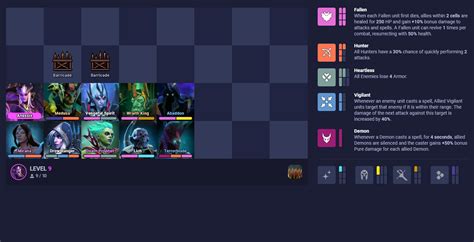
Don’t just memorize item builds or skill orders; understand *why* they work. What specific stats does an item provide that synergize with your character? How does a particular ability combo with another? When you grasp the core mechanics, you can swap out individual components of a build (e.g., one defensive item for another) to counter specific threats in a game, rather than being locked into a rigid blueprint.
Practical Strategies for On-the-Fly Changes
While understanding the meta is crucial, applying that knowledge in real-time is where your true adaptability shines.
Identify Power Spikes & Weaknesses
Every character, item, and build has periods of strength (power spikes) and vulnerability. Learn to identify these for both your chosen build and the builds of your opponents. If the meta favors early aggression, you might adjust your build for a stronger early game. If it’s a scaling meta, prioritize items that grant powerful late-game advantages. Being able to pivot based on the current game state and opponent’s choices is a hallmark of an adaptive player.

Learn to Diversify Your Playstyle
Sometimes, adapting your build isn’t enough; you need to adapt your playstyle. A character might traditionally be played aggressively, but in a defensive meta, a more cautious, utility-focused build and playstyle might be more effective. Experiment with different approaches in unranked or less competitive modes to broaden your strategic toolkit.
Experiment and Iterate
The best way to find what works is to try it yourself. Don’t be afraid to deviate from established builds, especially if you have a sound theory behind your choices. Pay attention to the results, analyze what worked and what didn’t, and adjust for your next game. This iterative process of experimentation and refinement is essential for quick adaptation.
Avoiding Common Pitfalls
While adapting is good, over-adapting or misinterpreting the meta can be detrimental. Avoid ‘tunnel vision,’ where you only focus on one aspect of a meta shift and miss broader implications. Also, be wary of ‘overreacting’ to minor changes; sometimes a dominant strategy is still dominant despite small nerfs. Balance keen observation with critical thinking.
Conclusion
The ability to quickly adapt your build to counter a shifting game meta is a high-level skill that separates good players from great ones. It requires a combination of vigilance (following patch notes and pro play), deep game knowledge (understanding core mechanics), and practical application (experimentation and iterative refinement). By embracing these principles, you won’t just keep up with the meta; you’ll be one step ahead, consistently positioning yourself for victory.