What’s your Indie Spotlight’s top criteria for dev pitches to maximize game visibility?

Cracking the Code: What Makes an Indie Game Pitch Stand Out?
For an indie game to truly break through the noise and achieve significant visibility, securing a coveted ‘Indie Spotlight’ feature can be a game-changer. These spotlights, whether from media outlets, storefronts, or community platforms, offer invaluable exposure. But what exactly do these curators look for in a developer pitch? It’s more than just a good game; it’s about a compelling narrative, a clear vision, and a professional presentation. Understanding these top criteria can dramatically increase your chances of being featured and, by extension, your game’s visibility.
1. The Unique Selling Proposition (USP) and Creative Hook
At the core of every successful pitch is a game that offers something genuinely fresh or executes a familiar concept in an extraordinary way. Indie Spotlight curators are constantly seeking titles that defy convention, tell a compelling story, or introduce innovative mechanics. Your pitch must articulate your game’s unique selling proposition (USP) immediately. What makes your game different from the countless others? Is it a novel art style, an unexpected genre blend, a poignant narrative, or a groundbreaking gameplay loop? A strong creative hook is the first thing that captures attention and sparks interest, compelling the spotlight to delve deeper.
2. Demonstrable Progress and Polish
While an exciting concept is crucial, it must be backed by tangible evidence of development. Pitches for an Indie Spotlight need to showcase significant progress and a level of polish that suggests the game is beyond the nascent idea stage. This means providing high-quality gameplay footage (a well-cut trailer is essential), compelling screenshots, and ideally, a playable demo or vertical slice. The visual and functional quality of these assets speaks volumes about your team’s dedication and capability. A game that looks good and plays smoothly, even in an early state, instills confidence in its potential to be a standout title.

3. Understanding Your Audience and Market
A compelling pitch goes beyond just describing the game; it demonstrates an understanding of who the game is for and how it fits into the broader market. Who is your target audience? What other games might they enjoy? How does your game differentiate itself from competitors, not just creatively, but also in terms of its market position? Showcasing that you have thought about the game’s commercial viability and its potential audience reach signals a mature approach to development. Highlight any existing community engagement, wishlists, or early positive feedback – these are strong indicators of potential interest.
4. The Story Behind the Game (and the Devs)
People connect with stories, and that includes the story of a game’s creation. Many Indie Spotlights are interested in the human element behind the pixels. What inspired you to make this game? What challenges have you overcome? What makes your development team unique? Sharing a genuine passion, a clear vision, and a personal connection to the project can make your pitch incredibly memorable. It humanizes the game and creates an emotional anchor that resonates with curators and, subsequently, their audience. Authenticity and enthusiasm are contagious.
5. Clarity, Conciseness, and Professionalism
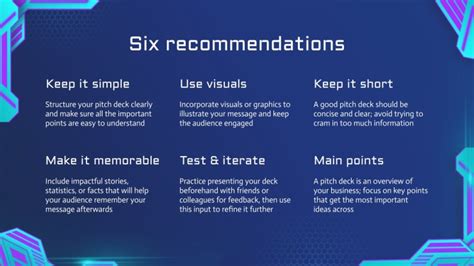
Finally, the pitch itself needs to be a masterclass in communication. Spotlight curators receive countless submissions, so clarity and conciseness are paramount. Get straight to the point: what’s your game, why is it special, and why should it be featured now? Avoid jargon and overly long explanations. Present your information in an organized, easy-to-digest format. Ensure all links work, assets are easily accessible, and your communication is always professional and respectful. A well-structured pitch reflects a well-structured project and a professional team.
Conclusion: Beyond the Code
Securing an Indie Spotlight feature isn’t just about having a great game; it’s about effectively communicating its greatness and potential. By focusing on a compelling USP, demonstrating significant progress, understanding your market, sharing your authentic story, and delivering a clear, professional pitch, you significantly increase your chances. These criteria are designed to help your game not just be seen, but truly shine, maximizing its visibility and reaching the players who will love it most.