How to build mental resilience & prevent burnout in competitive esports gaming?

Navigating the Pressures: Why Mental Resilience is Key
Competitive esports gaming, while exhilarating, is an incredibly demanding field. Players face immense pressure from constant training, high-stakes tournaments, public scrutiny, and the relentless pursuit of peak performance. This intense environment, if not managed effectively, can lead to significant mental health challenges, including stress, anxiety, and ultimately, burnout. Building robust mental resilience isn’t just an option; it’s a fundamental requirement for sustained success and longevity in a professional esports career.
Understanding the Battlefield: The Unique Demands of Esports
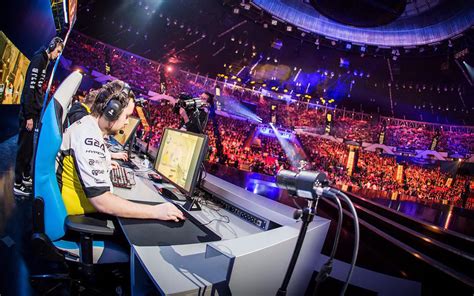
Unlike traditional sports, esports often involves prolonged periods of screen time, intricate strategic thinking under pressure, and rapid-fire decision-making that taxes cognitive functions. Players are constantly analyzing game states, adapting to opponents, and coordinating with teammates, all while maintaining precise mechanical execution. The emotional toll of wins and losses, often amplified by online communities and social media, adds another layer of complexity. This constant mental load can quickly deplete a player’s emotional and cognitive reserves.
The Road to Resilience: Cultivating a Strong Mindset
Mental resilience is the ability to adapt and recover from stress, adversity, or trauma. For esports players, this means maintaining composure during critical moments, bouncing back from tough losses, and staying motivated through rigorous training. Key components include:
- Growth Mindset: Viewing challenges and failures as opportunities for learning and improvement, rather than insurmountable obstacles.
- Emotional Regulation: Developing strategies to manage frustration, anger, and anxiety during gameplay and in daily life. This might involve deep breathing exercises, taking short breaks, or cognitive reframing.
- Self-Awareness: Understanding one’s own triggers, stress signals, and emotional states to intervene proactively.
Shielding Against Burnout: Proactive Prevention Strategies
Burnout is a state of physical, emotional, and mental exhaustion caused by prolonged or excessive stress. In esports, it can manifest as decreased performance, lack of motivation, irritability, and even physical ailments. Preventing burnout requires a holistic approach that prioritizes well-being alongside performance.
Structured Training and Deliberate Rest
Just as physical athletes need rest days, esports players need time away from the screen. Over-training without adequate recovery can be detrimental. Implementing structured training schedules that include specific play times, analysis sessions, and mandatory breaks is crucial. This means scheduling off-days, short breaks during practice, and even complete weeks off between seasons or major tournaments.
Embracing a Balanced Lifestyle
A life solely consumed by gaming, even professionally, is unsustainable. Encouraging players to engage in hobbies outside of esports, maintain a healthy social life, and connect with non-gaming friends and family provides essential mental respite and broadens perspective. This separation allows the mind to recharge and prevents gaming from becoming an all-consuming source of stress.
Prioritizing Physical Well-being
The mind and body are intricately linked. Adequate sleep, balanced nutrition, and regular physical exercise are non-negotiable for optimal cognitive function and emotional stability. Even moderate physical activity can significantly reduce stress levels, improve mood, and enhance focus, directly impacting in-game performance.

Building a Robust Support System
No player should face the pressures of competitive esports alone. A strong support system comprising teammates, coaches, managers, family, and friends is vital. Access to mental health professionals, such as sports psychologists or therapists, can provide valuable tools and strategies for managing stress, anxiety, and performance pressure effectively. Open communication within the team about mental health challenges can also foster a more supportive environment.

Conclusion: The Long Game of Esports Success
For esports players aspiring to long and successful careers, investing in mental resilience and burnout prevention is just as important as honing their in-game skills. By adopting a growth mindset, practicing emotional regulation, prioritizing rest and a balanced lifestyle, nurturing physical health, and leveraging strong support systems, players can navigate the intense demands of competitive gaming. This holistic approach not only safeguards their well-being but also unlocks their full potential, ensuring sustained peak performance and enjoyment in the exhilarating world of esports.