How do we balance objective performance analysis with subjective fun in game reviews?

The Dichotomy of Digits and Delight
Video game reviews occupy a unique space in critical discourse, tasked with evaluating both the quantifiable mechanics and the intangible enjoyment a title provides. On one hand, players demand concrete information: Is the frame rate stable? Are there game-breaking bugs? How long is the campaign? On the other hand, a game’s ultimate success often hinges on its ability to evoke emotion, tell a compelling story, or simply be profoundly fun. The central challenge for any reviewer lies in harmonizing these two seemingly disparate elements: objective performance analysis and subjective fun.
The Imperative of Objective Analysis
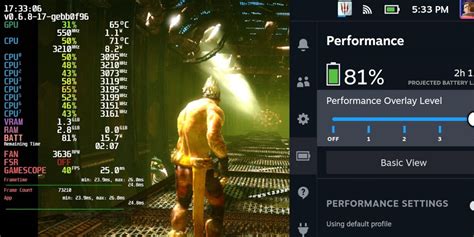
Objective performance analysis serves as the bedrock of any credible game review. This involves scrutinizing aspects that can be measured, verified, and compared across different titles or platforms. Key areas include:
- Technical Performance: Frame rate stability, resolution, load times, input latency, and overall system optimization.
- Bug and Glitch Detection: Identifying and reporting on crashes, graphical glitches, progression blockers, and other technical issues that detract from the experience.
- Core Mechanics Evaluation: Assessing control responsiveness, UI/UX design, game difficulty balancing, and the clarity of tutorials.
- Content Volume: Quantifying hours of gameplay, number of missions, replayability features, and DLC value.
Providing this data empowers consumers to make informed purchasing decisions, especially in a market where technical issues can often overshadow otherwise excellent design. Without a solid foundation of objective assessment, a review risks becoming merely a personal diary entry rather than a useful guide.
Embracing the Subjective Sphere of Fun
While objective data provides the ‘what,’ subjective fun addresses the ‘why.’ A game isn’t just a collection of code; it’s an interactive experience designed to entertain, challenge, or move its audience. Evaluating subjective fun means delving into:
- Narrative and Storytelling: The strength of the plot, character development, world-building, and emotional impact.
- Art Direction and Aesthetics: The visual style, sound design, musical score, and overall atmosphere that contribute to immersion.
- Gameplay Loop Satisfaction: How rewarding and engaging the core mechanics feel over time, the sense of progression, and the ‘flow’ state.
- Emotional Resonance: Whether the game successfully evokes joy, excitement, tension, fear, or introspection.
- Personal Connection: How the game’s themes, challenges, or design choices might resonate uniquely with different players.
Ignoring the subjective would strip game reviews of their soul, reducing them to spec sheets. Games, like all art forms, aim to elicit a response, and a review must acknowledge and articulate that response.

Strategies for the Delicate Balancing Act
The true artistry in game criticism lies in seamlessly weaving these two threads together. Here are approaches to achieve this balance:
Contextualizing Data with Experience
Instead of merely stating a frame rate drop, explain how it impacts gameplay. Does it make combat frustratingly difficult, or is it a minor visual hiccup in a non-critical moment? Similarly, if controls are “clunky,” describe how that clunkiness affects the player’s ability to execute actions and enjoy the experience.
Transparency and Personal Preference
Reviewers should be upfront about their own biases or preferences within genres. Acknowledging that one reviewer loves RPGs while another prefers competitive shooters can help readers contextualize subjective takes. It’s about providing an informed perspective, not a universally definitive one.
Narrative-Driven Analysis
Good reviews often tell a story of the reviewer’s journey through the game. This allows objective observations (e.g., “I encountered a bug that crashed my game after three hours…”) to be integrated naturally into the subjective experience (“…which severely hampered my enjoyment of the otherwise compelling narrative.”)
Holistic Scoring (or its absence)
If using a numerical score, ensure it reflects both objective merits and subjective enjoyment. Some critics argue against scores entirely, believing they oversimplify a complex experience. Others use them as a quick summary, supported by extensive prose explaining the nuances.
The Future of Balanced Game Criticism
As games become increasingly complex and diverse, the need for balanced reviews only grows. Reviewers must continually refine their craft, employing analytical rigor without sacrificing the human element of play. Ultimately, the goal is to provide a comprehensive picture: not just whether a game works, but whether it sings, and to whom it will resonate. By thoughtfully integrating performance metrics with emotional impact, game criticism can truly serve its audience, guiding them to their next great adventure.