How can we efficiently update game guides post-patch without full rewrites?

The Ever-Evolving Challenge of Game Guide Maintenance
In the dynamic world of video games, patches and updates are a constant. While they breathe new life into titles, they pose a significant challenge for content creators maintaining comprehensive game guides. The traditional approach of entirely rewriting sections or or even full guides after every major patch is not only inefficient but often unsustainable. The key to staying current without burning out lies in strategic planning and implementation of efficient update methodologies.
Embrace Modular Guide Design from the Outset
The foundation of efficient guide updates is a modular design. Instead of monolithic blocks of text, break your guides down into distinct, easily isolatable components. Think of your guide as a collection of mini-articles. For instance, a character guide could have separate sections for “Abilities,” “Talent Builds,” “Gear Recommendations,” and “Playstyle Tips.”
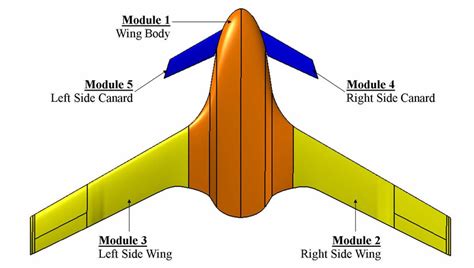
This approach allows you to update only the affected module when a specific ability changes or a new talent tier is introduced, leaving the rest of the guide untouched. Identify static information (lore, basic mechanics) versus dynamic information (builds, meta strategies) and design your structure to clearly separate them.
Implement Robust Version Control and Change Tracking
Transparency is crucial for guide users. When updates occur, clearly indicate what has changed. Simple but effective methods include:
- Highlighting New Information: Use distinct colors, bold text, or “NEW” badges for recently added or modified content.
- Dedicated Patch Notes Sections: Include a small section at the beginning or end of affected guide parts summarizing the changes related to a specific patch. Timestamp these updates.
- Archive Old Information: Instead of deleting outdated builds or strategies entirely, move them to an “Archives” section, noting their irrelevance for the current patch. This can be useful for historical context or players on older game versions.

Utilizing a version control system (like Git for code, or built-in versioning in a CMS) can track every modification, making it easy to revert or compare versions.
Leverage Community Contributions and Feedback
The gaming community is often the first to discover new meta shifts or incorrect guide information post-patch. Establishing clear channels for feedback can turn a potential burden into a collaborative effort. Implement comment sections, dedicated forums, or even a submission system where users can suggest edits or flag outdated content.

Always verify community contributions, but recognizing and incorporating accurate, helpful feedback significantly reduces the workload on primary guide creators. Giving credit to contributors also fosters a sense of ownership and encourages further engagement.
Utilize the Right Tools and Platforms
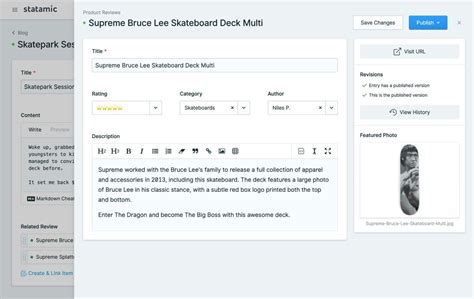
The choice of platform can dramatically impact update efficiency. Content Management Systems (CMS) like WordPress, custom wiki software, or dedicated guide platforms offer features designed for easy content modification. Look for:
- Easy Editing Interfaces: WYSIWYG editors make quick text changes simple.
- Templating Systems: Reusable templates for different guide types ensure consistency and faster creation/updates.
- Revision History: Essential for tracking who changed what and when.
- Internal Linking: Allows for easy cross-referencing between guides, so an update in one place can ripple through linked sections without manual re-editing.
Advanced platforms might even offer A/B testing for guide effectiveness or integration with game APIs for automated data updates (though this is more complex).
Conclusion: Stay Agile, Stay Relevant
Maintaining up-to-date game guides in a frequently patched game environment doesn’t have to be a Sisyphean task. By adopting a modular design, implementing transparent change tracking, engaging with your community, and choosing the right tools, guide creators can significantly reduce the effort required for post-patch updates. This agile approach ensures your guides remain a valuable, accurate resource for players, fostering trust and a vibrant community around your content.