





What update strategy keeps gaming guides relevant, boosting long-term SEO & player value?

The Dynamic Challenge of Gaming Guides in an Ever-Evolving Gaming World
In the fast-paced realm of video games, a static guide is a rapidly obsolescing one. From major expansions and routine patches to subtle meta shifts influenced by player discovery, game information is rarely set in stone. For content creators and guide writers, the challenge isn’t just producing high-quality initial content, but establishing a robust update strategy that ensures guides remain accurate, helpful, and discoverable over the long term. This strategic approach is paramount for both maintaining excellent player value and securing strong, sustainable SEO performance.

Pillars of an Effective Guide Update Strategy
Keeping guides relevant requires a multi-faceted approach, combining foresight, regular review, and rapid response capabilities. Neglecting any of these can lead to outdated information, frustrated players, and a decline in search engine rankings.
Proactive Monitoring and Anticipation
The best update strategies begin before the update itself. This involves actively monitoring developer announcements, patch notes, public test servers (PTS), and community discussions. Subscribing to official game news, following key developers on social media, and engaging in relevant subreddits or forums can provide early warnings of impending changes. Anticipating how a new patch might impact character builds, item viability, quest flows, or general gameplay allows for pre-emptive planning of guide revisions.

Scheduled Audits and Content Refreshes
Beyond reacting to known changes, a regular schedule for reviewing existing guides is essential. Depending on the game’s update cycle, this could be quarterly, bi-annually, or even monthly. During these audits, assess:
- Accuracy: Are all mechanics, values, and strategies still correct?
- Completeness: Have new items, areas, or features been added that should be included?
- Clarity: Can the guide be improved with better explanations, examples, or formatting?
- User Experience: Are there new best practices or community-found optimizations that can be incorporated?
- SEO Performance: Are the keywords still relevant? Can new long-tail keywords be targeted?
Reactive Updates for Critical Changes
While proactive and scheduled efforts are key, some changes demand immediate attention. Major game patches, hotfixes addressing broken mechanics, or significant meta shifts that invalidate core strategies require rapid reactive updates. Having a streamlined process for quickly identifying, verifying, and implementing these critical revisions ensures players aren’t misinformed for long and trust in your guides remains high.

Leveraging Modularity and Versioning for Efficiency
Structuring guides with modularity in mind significantly simplifies the update process. Instead of monolithic blocks of text, break content into distinct, easily editable sections (e.g., ‘Character Abilities,’ ‘Item Builds,’ ‘Quest Walkthrough’). This allows for surgical updates without needing to rewrite entire guides. Implementing a visible versioning system or a ‘last updated’ timestamp, often accompanied by a changelog, builds transparency and trust with your audience. Players can quickly see if the guide is current and understand what changes have been made.
The SEO and Player Trust Dividend
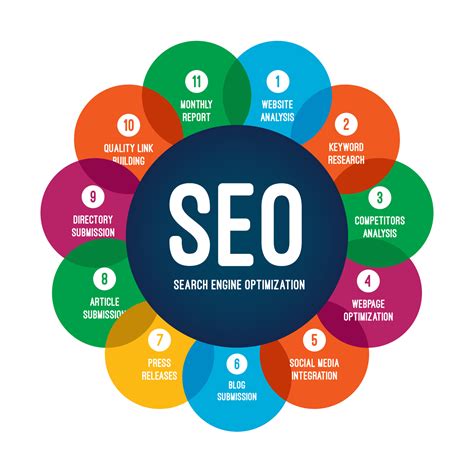
A consistent update strategy yields substantial benefits in both SEO and player engagement. For search engines, regularly updated content signals freshness and authority, which are key ranking factors. Guides that are frequently revised tend to rank higher and retain their positions longer, attracting more organic traffic. From a player perspective, up-to-date guides build immense trust. When players consistently find accurate, relevant information on your site, they are more likely to return, share your content, and view you as a reliable source. This cultivates a loyal audience, reduces bounce rates, and converts casual visitors into long-term community members.
Practical Tips for Implementation
- Designate an ‘Update Lead’: Assign clear responsibility for monitoring games and scheduling updates.
- Utilize Content Management Systems (CMS): Features like tagging, version control, and easy editing are invaluable.
- Create Update Templates/Checklists: Standardize your update process to ensure consistency.
- Engage Your Community: Encourage players to report outdated information or suggest improvements. Implement a feedback mechanism.
- Prioritize High-Traffic Guides: Focus update efforts on your most popular and impactful content first.
- Track Performance: Monitor SEO metrics (traffic, rankings) and user engagement to gauge the effectiveness of your strategy.
Conclusion
In the dynamic world of gaming, guide relevance is not a one-time achievement but an ongoing commitment. By adopting a proactive, scheduled, and reactive update strategy, game guide creators can not only ensure their content remains accurate and valuable to players but also secure a dominant position in search engine rankings. This dedication to evergreen content transforms guides into enduring resources, fostering a loyal audience and driving long-term success in the competitive gaming content landscape.



