How to structure game guides for quick, spoiler-free info retrieval by players?

The Essential Role of Well-Structured Game Guides
In the vast and immersive worlds of modern video games, players often seek assistance to overcome challenges, find hidden secrets, or simply progress efficiently. However, the utility of a game guide hinges entirely on its structure. A poorly organized guide can be more frustrating than helpful, forcing players to wade through irrelevant text or, worse, stumble upon significant spoilers. The goal for any guide creator should be to deliver precise, on-demand information without detracting from the player’s discovery journey.
Core Principles for Spoiler-Free Information Retrieval
Achieving quick, spoiler-free information retrieval requires a thoughtful approach to guide design. Here are the foundational principles:
- Modularity: Break down the game into distinct, self-contained sections. This could be by quest, region, item type, boss encounter, or character. Each module should be accessible independently.
- Clear, Descriptive Headings: Use H2, H3, and H4 tags effectively. Headings should accurately summarize the content below, making it easy for players to scan and pinpoint what they need.
- Progressive Disclosure: Present information in layers. Give the player the immediate answer first, and then offer more detailed explanations or optional strategies. Avoid front-loading sections with unnecessary narrative.
- Spoiler Containment: This is paramount. Implement clear warnings, collapsible sections, or separate “Spoiler Zones” for crucial plot points, hidden endings, or major character reveals.
- Searchability & Indexing: For online guides, ensure content is optimized for search engines and features an internal search function. A comprehensive index or table of contents is vital for static guides.
Practical Strategies for Effective Guide Structure
Implementing a Robust Table of Contents (TOC)
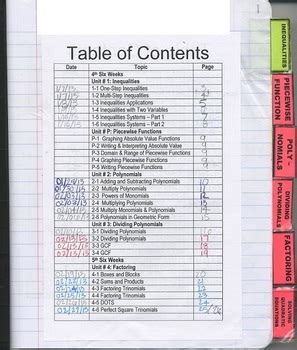
A dynamic and clearly visible Table of Contents is the player’s best friend. For online guides, this often means a sticky sidebar navigation. For static guides, a well-formatted TOC at the beginning is crucial. It should link directly to major sections (e.g., “Main Quests,” “Side Quests,” “Collectibles,” “Boss Strategies,” “NPC Locations”) and ideally to key subsections within them.
Sectioning Content Logically
Beyond the TOC, the internal structure of each section matters. Consider the player’s most likely intent:
- By Game Progression: Follow the natural flow of the game for walkthroughs, allowing players to jump to their current objective.
- By Topic: Create dedicated sections for specific mechanics (e.g., “Combat Tips,” “Crafting Guide,” “Skill Trees”).
- By Collectible Type: Group all “hidden chests” in one section, “lore documents” in another, rather than scattering them throughout a progression-based walkthrough. This allows players to clean up an area without being spoiled on future content.
Handling Spoilers with Care
The cardinal rule of game guides is to protect the player’s narrative experience. When a spoiler is unavoidable, employ these tactics:
- Clear Warnings: Precede any spoiler-heavy text with a bold, distinct warning (e.g., “SPOILER WARNING: Plot Details Ahead!“).
- Collapsible Sections: Use HTML/CSS/JavaScript to hide spoiler content behind a clickable button (e.g., “Click to Reveal Spoiler”).
- Separate Pages/Appendices: For major spoilers like end-game choices or secret endings, consider moving this content to a completely separate page linked with a clear spoiler warning.

Enhancing Readability and Navigation
- Consistent Formatting: Use consistent styles for headings, links, and text formatting.
- Visual Cues: Incorporate icons, color-coding, or mini-maps (where applicable) to quickly convey information or highlight important points.
- Internal Linking: Link relevant terms or sections within your guide. If you mention an item, link to its dedicated entry if one exists.
- Concise Language: Get straight to the point. Players are looking for answers, not prose.

Conclusion: Empowering the Player
A well-structured game guide is more than just a collection of tips; it’s a powerful tool that respects the player’s time and desire for discovery. By prioritizing modularity, clear navigation, and rigorous spoiler control, guide creators can build resources that empower players to enjoy their games to the fullest, finding exactly what they need, exactly when they need it, without ruining the adventure. This attention to detail transforms a mere information dump into an invaluable companion for any gaming journey.