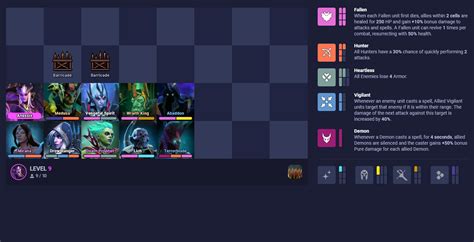
Post-patch, how to quickly assess if my main’s build remains meta-viable?

Every gamer dreads — or eagerly anticipates — the moment a new patch drops. While these updates bring fresh content and balance changes, they often leave players wondering: “Is my beloved main character’s build still good?” Quickly assessing your build’s meta-viability is crucial to staying competitive and enjoying your game. This guide will walk you through the steps to make that determination efficiently.
The Immediate Scan: Patch Notes & Community Buzz
Your first line of defense is always the official patch notes. Don’t just skim; look for specific changes related to your character, their core abilities, items, runes, or talent trees. Were your primary damage sources nerfed? Did a key defensive stat get altered? Pay close attention to numerical adjustments, as even small percentages can have significant impacts on overall performance.

Simultaneously, tap into the community. Check popular gaming forums, subreddits, and content creators. They often provide quick breakdowns, initial impressions, and highlight emerging trends or “broken” combinations. Be discerning, as initial community reactions can be hyperbolic, but they offer valuable early insights into what might be strong or weak in the new meta.
Deep Dive: Mechanics & Stat Analysis
Move beyond surface-level changes. Consider how numerical adjustments ripple through your build’s core mechanics. If a base stat or a scaling coefficient was altered, how does that impact your breakpoints, damage per second (DPS), or survivability? Look at item synergies: did an item that perfectly complemented your abilities get nerfed, or was a new item introduced that offers a superior alternative?
Also, think about meta shifts. Even if your character or items weren’t directly touched, did a popular counter get buffed, or did a previously weak archetype become dominant? The meta is a dynamic ecosystem; changes elsewhere can indirectly impact your build’s standing by altering the competitive landscape. Understanding these broader shifts is key to a comprehensive assessment.
Practical Application: In-Game Testing
Theorycrafting can only take you so far. The true test is in the game. Head into practice modes, custom games, or unranked matches to test your build’s performance. Pay attention to:
- Damage Output: Does it still feel impactful? Are you struggling to clear content or defeat opponents you previously handled with ease?
- Survivability: Are you dying too quickly? Has your effective health significantly decreased?
- Resource Management: Are you running out of mana/energy more often?
- Feel: Subjective, but crucial. Does the build still “feel” powerful and fun to play, or does it feel sluggish and underpowered?

Don’t immediately ditch your build after one bad game. Play a few matches, try minor variations, and compare your performance against previous benchmarks. Consistency over several games will give you a clearer picture.
Adaptation & Long-Term Strategy
If your build is no longer meta-viable, don’t despair. This is an opportunity to adapt. Start by exploring minor tweaks:
- Item Swaps: Can you replace a nerfed item with a viable alternative that offers similar benefits?
- Talent/Rune Changes: Are there other options in your talent tree or rune setup that now offer more value or synergy?
- Ability Prioritization: Does the patch change which abilities you should prioritize leveling or using in combat?
If minor tweaks aren’t enough, consider a more significant overhaul. This might involve adopting a completely new itemization path, a different talent specialization, or even learning a slightly different playstyle for your main. The goal isn’t just to mimic what’s “strongest,” but to find a build that allows you to perform optimally with your character within the current meta, leveraging their strengths effectively.
Conclusion
Assessing your main’s build viability post-patch is a multi-step process that combines diligent research, critical analysis, and practical testing. By staying informed, understanding the underlying mechanics, and being willing to adapt, you can quickly navigate the ever-shifting landscape of game patches and ensure your main remains a formidable force on the battlefield, no matter what changes the developers throw your way.