What’s the optimal practice routine for solo queue competitive ranked improvement?

Climbing the competitive ladder in solo queue can often feel like an uphill battle, fraught with frustration and inconsistent performance. Many players focus solely on grinding games, but true improvement stems from a structured and deliberate practice routine. This article outlines an optimal framework designed to transform your solo queue experience, turning mere playtime into productive, rank-climbing progress.
The Foundation: Mindset and Consistency
Before diving into specific drills, cultivating the right mindset is paramount. Approach each session with a growth mentality, focusing on learning from mistakes rather than solely on wins and losses. Consistency is equally vital; even a shorter, focused routine followed daily will yield better results than sporadic, marathon sessions.

Phase 1: The Pre-Game Power-Up (15-30 minutes)
Just as athletes warm up before a match, esports players benefit immensely from a pre-game routine. This phase prepares your mind and mechanics for the intensity ahead.
- Mechanical Drills: Dedicate time to specific exercises. For FPS games, this means aim trainers (e.g., Kovaak’s, Aim Lab). For MOBAs, practice last hitting, jungle clearing routes, or specific combo executions in a custom game.
- Mental Activation: Review your key binds, check your settings, and visualize positive plays. A quick glance at current meta builds or strategies for your chosen role/champion can also be beneficial.
Phase 2: Intentional Ranked Games (1-2 hours)
Instead of mindlessly queuing, enter each game with a specific, achievable goal beyond simply winning. This turns a regular match into a targeted practice session.
- Goal Setting: Before queuing, identify one or two areas to focus on. Examples include: “I will improve my ward placement,” “I will track the enemy jungler,” “I will refine my wave management,” or “I will communicate more effectively.”
- Active Learning: Throughout the game, actively remind yourself of your set goals. After a key moment (e.g., a team fight, a gank), quickly reflect: “Did I execute my goal effectively there?”
- Limiting Tilt: If you start to feel frustrated, take a short break. It’s better to play fewer high-quality games than many low-quality, tilt-filled ones.

Phase 3: The Post-Game Deep Dive (30-60 minutes)
This is arguably the most critical phase for genuine improvement, yet it’s often overlooked. Analyzing your gameplay provides invaluable insights.
- VOD Review: Record your gameplay and rewatch key moments. Focus on deaths, missed opportunities, and pivotal decisions. Ask “why” you made certain choices and what alternative, better plays existed.
- Mistake Identification: Pinpoint 1-3 major mistakes or areas for improvement from your session. Don’t dwell on every error; focus on actionable takeaways.
- Comparison: If available, compare your gameplay to high-ranked players or pros in similar situations. What did they do differently?

Phase 4: Strategic Deepening & Theorycrafting (30-60 minutes)
Understanding the game beyond your own perspective is crucial for sustained improvement.
- Pro Play Analysis: Watch VODs or live streams of professional players or high-elo streamers in your role/game. Pay attention to their decision-making, itemization, map movements, and communication.
- Patch & Meta Research: Stay updated on game patches, hero/champion buffs/nerfs, and meta shifts. Understanding the current power dynamics can give you a significant edge.
- Community Learning: Engage with game communities (forums, Discord, Reddit) to discuss strategies and learn from others’ experiences.
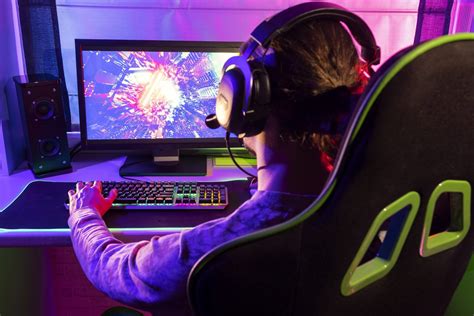
Phase 5: Recovery and Reflection (15-30 minutes)
Just as physical athletes need recovery, competitive gamers need to decompress and allow their brains to process information. This phase prevents burnout and ensures long-term engagement.
- Breaks and Hydration: Step away from the screen. Get some fresh air, stretch, and hydrate.
- Journaling (Optional): Briefly jot down your key learnings, goals for the next session, and any recurring issues.
- Positive Reinforcement: Acknowledge your progress, even small victories. Focus on the effort you put in, not just the outcome of individual games.

The Power of Adaptation and Consistency
This routine is a template, not a rigid prison. Adjust the timings and focus areas based on your personal needs, energy levels, and the specific demands of your game. The most “optimal” routine is one you can consistently adhere to. Remember, solo queue improvement isn’t about magical one-game wonders; it’s about the compounding effect of deliberate practice over time. Embrace the process, stay disciplined, and watch your rank ascend.