How to update gaming guides post-patch for continued relevance & SEO ranking?

Navigating the Evolving Landscape of Game Patches
In the dynamic world of video games, a guide’s lifespan can be brutally short if not properly maintained. Game developers frequently release patches, hotfixes, and expansions that can dramatically alter mechanics, balance, and content. For guide creators, this presents a perpetual challenge: how do you ensure your meticulously crafted guides remain relevant and continue to rank well in search engine results despite constant changes? The answer lies in a strategic, proactive approach to post-patch updates that prioritizes both accuracy and SEO.
The Post-Patch Triage: Identifying Key Changes
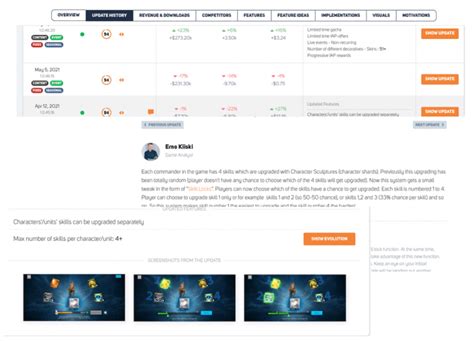
The first step in any successful guide update strategy is a thorough understanding of the patch itself. Don’t rely on assumptions; dive deep into the official patch notes the moment they drop. Look for:
- Core Mechanic Alterations: Changes to movement, combat, crafting, or resource gathering can invalidate entire sections of a guide.
- Balance Adjustments: Nerfs or buffs to characters, items, skills, or enemies will directly impact optimal strategies and build guides.
- New Content: Fresh quests, zones, items, or characters require entirely new sections or extensions to existing guides.
- Bug Fixes: While less glamorous, bug fixes can sometimes unintentionally alter gameplay flows or remove exploits that were part of a strategy.
Prioritize updates based on the impact magnitude. A major class overhaul demands immediate attention, while a minor bug fix might wait.
Strategic Content Overhauls for Continued Accuracy
Once you’ve identified the necessary changes, it’s time to implement them thoughtfully. Simply adding a “Patch X Update” section at the top of an old guide is a band-aid, not a solution. For optimal user experience and SEO:
- Integrate Changes Seamlessly: Whenever possible, edit the original content directly to reflect the new information. This maintains flow and prevents readers from having to cross-reference multiple sections.
- Use Clear Indicators: If a section has been significantly updated, a subtle note like “(Updated Post-Patch X)” can be helpful for returning users.
- Refresh Visuals: Outdated screenshots or video clips can quickly betray a guide’s age. Replace them with current gameplay footage that reflects the patch.
- Add New Sections: For entirely new content introduced in a patch, create dedicated new sections or link to new, related guides.
- Solicit Community Feedback: Encourage readers to point out any inaccuracies you might have missed. A comments section or a dedicated forum thread can be invaluable.
Boosting SEO: More Than Just Content
Updating your content is only half the battle; ensuring search engines recognize and re-rank your refreshed guide is crucial for continued visibility:
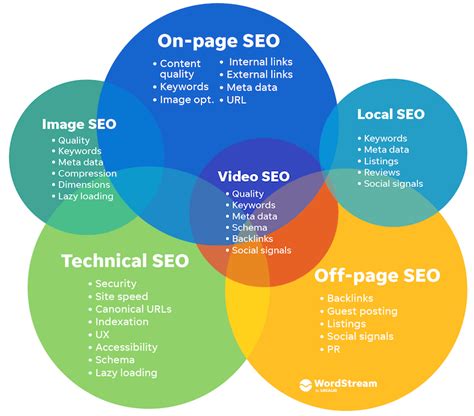
- Maintain Original URLs: Do NOT change the URL of an existing guide unless absolutely necessary. Redirects lose link equity. A consistent URL signals to search engines that the content is being maintained, not replaced.
- Update Meta Titles & Descriptions: Revise your guide’s meta title and description to reflect the current patch version or key changes. Include relevant keywords that users might search for (e.g., “Patch 1.2 Best Build”).
- Refresh Keywords: Re-evaluate your primary and secondary keywords. Has the meta shifted in the community’s language? Are new items or mechanics now highly searched?
- Internal Linking: Update internal links to point to other relevant, updated guides on your site. This improves crawlability and distributes link equity.
- External Promotion: Share your updated guides on social media, relevant forums, and gaming communities. Signal to search engines (and users) that the content is fresh and valuable.

Streamlining Your Update Workflow
Managing multiple guides across numerous games requires a robust workflow. Consider:
- Content Calendar: Schedule dedicated time for patch analysis and guide updates after major game releases.
- Version Control: If working collaboratively, use tools that track changes and allow for easy reverts.
- Dedicated Update Teams: For larger operations, assigning specific individuals or teams to monitor and update guides for certain games can increase efficiency.
- Leverage CMS Features: Utilize features within your Content Management System (CMS) for scheduling updates, tracking revisions, and managing metadata effectively.

Conclusion
Maintaining the relevance and SEO ranking of gaming guides in a constantly evolving environment is an ongoing commitment. By adopting a systematic approach to patch analysis, integrating content changes seamlessly, applying smart SEO strategies, and optimizing your workflow, you can ensure your guides remain a trusted and visible resource for gamers. Proactive updates not only serve your audience better but also solidify your position as an authoritative voice in the gaming community, driving sustained traffic and engagement.