How do mod authors manage feedback and updates without burnout from demanding communities?
The world of game modding thrives on passion: the passion of authors creating incredible experiences and the passion of players enjoying and advocating for those creations. However, this vibrant ecosystem often presents a unique challenge for mod authors: how to effectively manage feedback, provide regular updates, and maintain their creative drive without falling victim to burnout from the often demanding and relentless expectations of their communities. It’s a delicate balancing act between engagement and self-preservation, requiring a thoughtful approach to community interaction and project management.
Understanding the Community Dynamic
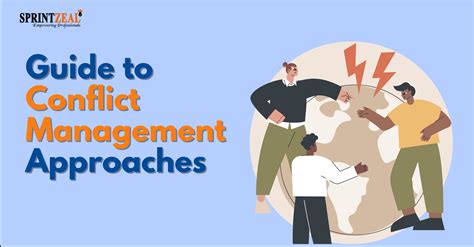
Modding communities are rarely homogenous. They comprise enthusiastic fans, constructive critics, bug reporters, feature suggesters, and, occasionally, less patient or even entitled individuals. For mod authors, the initial rush of positive feedback can be exhilarating, but the sheer volume and varied nature of subsequent input can quickly become overwhelming. Learning to differentiate between valid constructive criticism and unproductive noise is crucial. Recognizing that not every suggestion can or should be implemented is also a foundational step in managing expectations – both the community’s and their own.
Establishing Clear Boundaries and Communication Guidelines
One of the most effective strategies against burnout is establishing clear boundaries early on. This involves setting explicit expectations for when and how feedback will be processed, what kind of suggestions are most welcome, and the typical update schedule. Many successful mod authors utilize dedicated channels for bug reports, feature requests, and general discussion, making it easier to triage and respond efficiently. Communicating these guidelines transparently helps to manage community expectations, reducing the likelihood of incessant demands or repetitive queries. It’s about teaching the community how to best interact with the author to ensure mutual benefit.
Additionally, defining a ‘communication rhythm’ is vital. This might involve setting specific days for community engagement, batching responses to common questions, or scheduling periodic developer updates rather than feeling obligated to respond instantly to every comment. This structured approach allows authors to allocate specific time for community interaction without it spilling over and consuming their entire development cycle.
Streamlining Feedback Collection and Prioritization
Effective tools and strategies for collecting and prioritizing feedback are invaluable. Instead of sifting through countless forum posts or Discord messages, many authors leverage platforms like Trello, GitHub issues, or dedicated bug trackers. These tools centralize information, allow for easy categorization, and help to visualize progress. By having a structured system, mod authors can move from reactive firefighting to proactive problem-solving. Prioritizing feedback based on severity (e.g., game-breaking bugs), frequency of request, and alignment with the mod’s vision ensures that development efforts are focused where they matter most, rather than being diffused across every minor suggestion.

The Power of Delegating and Collaborating
As mods grow in scope and popularity, the burden on a single author can become immense. Many successful modding projects benefit from collaboration. This could involve bringing on additional developers, artists, testers, or even community managers. Delegating tasks, whether it’s bug testing, documentation, or even direct community support, significantly lightens the load. Building a small team not only distributes work but also introduces diverse perspectives and skills, often leading to a more robust and well-maintained mod. Even for solo authors, identifying trusted community members to help moderate forums or answer common questions can be a game-changer.
Furthermore, learning to say ‘no’ – or ‘not right now’ – is a powerful self-preservation tool. Not every feature request can be accommodated, and not every bug can be fixed instantly. Clearly articulating limitations and development focus helps manage expectations and prevents authors from overcommitting. It’s about protecting their time and energy for the core vision of the mod.

Prioritizing Self-Care and Creative Fulfillment
Ultimately, preventing burnout comes down to self-care. Modding is often a hobby born of passion, and for it to remain enjoyable, authors must safeguard their mental and physical well-being. This means scheduling breaks, stepping away from the computer, pursuing other hobbies, and recognizing when they need to disengage. It’s also crucial to remember the initial joy of creation. If the mod becomes solely a source of obligation and stress, its quality and the author’s ability to maintain it will suffer.
Focusing on aspects of the mod that bring personal creative satisfaction, rather than solely catering to every community demand, can reignite passion. Celebrating small victories, receiving genuine appreciation, and seeing players enjoy their work can provide the necessary fuel to continue. Mod authors are creators first, and their well-being is paramount to the longevity of their projects and the health of the broader modding community.

Cultivating a Positive Community Ethos
While authors set boundaries, the community also plays a vital role. Mod authors can actively foster a positive community ethos by promoting respectful discourse, highlighting positive interactions, and gently but firmly addressing toxic behavior. A healthy community is one that understands and appreciates the voluntary nature of modding, recognizing the effort and personal time authors invest. By leading by example and encouraging constructive engagement, authors can create a more supportive environment that benefits everyone.
In conclusion, managing feedback and updates in demanding modding communities without burnout is a multifaceted challenge. It requires a combination of clear communication, strategic boundary-setting, efficient workflow tools, selective engagement, and, most importantly, a deep commitment to self-care and maintaining creative joy. By implementing these strategies, mod authors can continue to enrich gaming experiences for millions while preserving their own passion and well-being.