Devs: What specific info & assets increase our indie game’s chance for an Indie Spotlight feature?
Crafting Your Pitch for an Indie Spotlight Feature
For independent game developers, securing an “Indie Spotlight” feature can be a game-changer, offering invaluable exposure to new audiences and potential players. In a crowded marketplace, standing out requires more than just a great game; it demands a strategic approach to presentation and communication. So, what specific information and assets are most likely to catch the eye of curators and increase your game’s chances of landing that coveted feature?
1. A Compelling Narrative and Unique Selling Proposition (USP)
Before any assets, the core of your game needs to shine. Curators are looking for stories, not just specs. Clearly articulate what makes your game unique. Is it a fresh take on a familiar genre? Does it tell an emotionally resonant story? Does it introduce innovative mechanics? Your game’s unique selling proposition (USP) should be evident and exciting. Explain the “why” behind your game – your passion, inspiration, and the experience you aim to deliver to players.
![[200+] Indie Aesthetic Wallpapers | Wallpapers.com](/images/aHR0cHM6Ly90czIubW0uYmluZy5uZXQvdGg/aWQ9T0lQLmpJZ2h0VEs4NnltVHhHQ01NTm5hbWdIYUhhJnBpZD0xNS4x.webp)
2. The Polished Press Kit: Your Digital Business Card
A well-organized and comprehensive press kit is non-negotiable. This centralized hub of information demonstrates professionalism and saves curators valuable time. Essential components include:
- Fact Sheet: A concise document listing your game’s title, developer, genre, platforms, release date (or window), price, and key features.
- Game Overview: (Elevator Pitch) A short, engaging summary of your game’s premise, gameplay loop, and target audience.
- Key Features & Bullet Points: Highlight what makes your game fun, unique, and compelling.
- Developer Bio & Story: Who are you, what’s your studio’s mission, and what inspired this game? Personal stories can be powerful.
- Contact Information: Clear ways to reach your team for further inquiries.
- Link to Playable Demo/Build: Crucial for hands-on evaluation.
Ensure all information is up-to-date and consistent across all platforms.
3. High-Quality Visual and Audio Assets
Humans are highly visual creatures, and curators are no exception. Top-tier assets are paramount:
- Captivating Game Trailer: This is often the first impression. It should be professionally produced, showcasing exciting gameplay, key features, and a glimpse of the game’s atmosphere or story. Keep it concise (60-90 seconds is ideal).
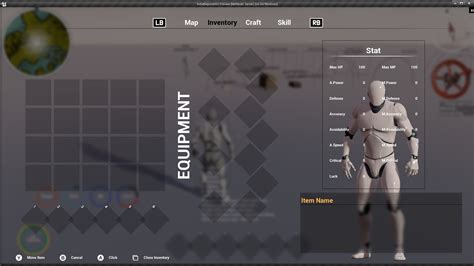
- Stunning Screenshots: Provide a variety of high-resolution, uncompressed screenshots. Include action-packed gameplay, beautiful environments, character close-ups, and UI elements. They should convey the game’s aesthetic and core experience.
- Eye-Catching Key Art & Logo: A memorable logo and striking key art are essential for branding and immediate recognition.
- Gameplay GIFs & Short Clips: Easily shareable and highly effective for demonstrating mechanics or unique moments on social media and in pitches.
- Original Soundtrack Samples: If your game boasts a standout soundtrack, include a few tracks or snippets to convey its mood and quality.

4. A Polished, Playable Build or Demo
Nothing speaks louder than direct experience. Offer a stable, representative build or demo that curators can play. This should be as bug-free as possible and accurately reflect the game’s quality and vision. If offering review keys, ensure they are easy to access and that you’re responsive to any technical issues. A robust demo proves your game is not just a concept, but a tangible, enjoyable experience.

5. Demonstrable Community Engagement and Traction
While not strictly “assets,” evidence of community interest can significantly bolster your application. Curators want to feature games that resonate with players:
- Social Media Presence: Active and engaging profiles on platforms like X (formerly Twitter), Discord, TikTok, or Reddit.
- Wishlist Numbers: For games on storefronts like Steam, healthy wishlist numbers indicate player interest.
- Early Access Feedback: Positive reviews and constructive community engagement during early access periods.
- Previous Press/Awards: Any prior media coverage, nominations, or awards lend credibility.

Conclusion: Quality, Clarity, and Uniqueness
Ultimately, increasing your indie game’s chance for an Indie Spotlight feature boils down to three core principles: uncompromising quality in your game and its presentation, crystal-clear communication of its unique appeal, and demonstrable passion from your development team. Provide well-organized, high-fidelity assets, tell a compelling story, and ensure your game can speak for itself through a polished playable experience. By meticulously preparing these elements, you not only make a curator’s job easier but also present your game in the best possible light, dramatically improving its chances of catching the spotlight it deserves.