Quick fixes for stuttering: GPU driver updates or in-game graphics settings?

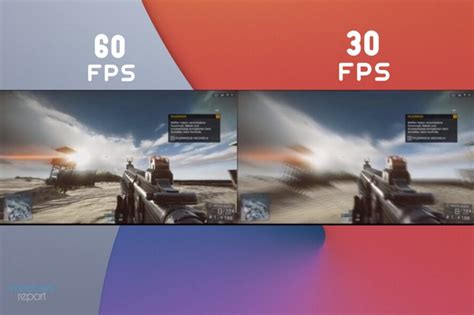
Stuttering can be incredibly frustrating for PC gamers, transforming a smooth, immersive experience into a choppy mess. It often manifests as brief freezes or uneven frame delivery, even when the average frame rate appears high. When faced with this issue, two immediate troubleshooting avenues often come to mind: updating your GPU drivers or tweaking in-game graphics settings. But which approach is more likely to yield a quick fix, and where should you start? This article delves into both strategies to help you get back to seamless gaming.
The Importance of Up-to-Date GPU Drivers
Your graphics card’s drivers are essentially the software that allows your operating system and games to communicate effectively with your hardware. Developers frequently release new driver versions to optimize performance for the latest game titles, fix bugs, and improve overall stability. An outdated or corrupt driver can be a significant source of performance issues, including stuttering.
How to Update Your Drivers
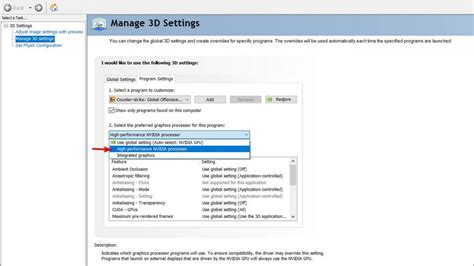
For NVIDIA users, the GeForce Experience application provides an easy way to check for and install new drivers. AMD users have a similar tool in AMD Software: Adrenalin Edition. Intel also provides a Graphics Command Center for their integrated GPUs. Always prefer a “clean install” option if available, as this removes old driver files that might cause conflicts. A fresh driver installation often resolves subtle software-level hitches that manifest as stuttering.

Fine-Tuning In-Game Graphics Settings
While drivers manage the fundamental communication, in-game graphics settings dictate the visual fidelity and, consequently, the workload on your GPU and CPU. High-end settings that push your hardware beyond its capabilities are a classic cause of stuttering, especially in graphically demanding scenes. Reducing certain settings can significantly alleviate the strain and smooth out performance.
Key Settings to Adjust for Performance
- Resolution: Lowering resolution is often the most impactful change, reducing the total number of pixels your GPU needs to render.
- V-Sync/G-Sync/FreeSync: While V-Sync can eliminate screen tearing, it can introduce input lag and sometimes stuttering if your frame rate dips below your monitor’s refresh rate. Adaptive sync technologies (G-Sync, FreeSync) are generally preferred if available.
- Texture Quality: High-resolution textures consume a lot of VRAM. If your GPU has limited VRAM, lowering this can prevent stuttering as the system struggles to load assets.
- Shadow Quality & Anti-Aliasing: These are often very resource-intensive. Reducing them can free up significant GPU cycles.
- Draw Distance/LOD (Level of Detail): Affects how far objects are rendered or how detailed they appear at a distance. Lowering can help with CPU and GPU load.
Experiment with these settings one by one, starting with the most demanding ones (like resolution, shadows, and anti-aliasing) and testing after each change.

Which Quick Fix First?
Both driver updates and graphics settings adjustments are valid first steps, but the optimal starting point can depend on the situation.
If stuttering began suddenly after a game update, a new driver release, or if you haven’t updated your drivers in a long time, updating your GPU drivers is often the best initial move. A clean driver installation can resolve many underlying software conflicts.
However, if you’re playing a particularly demanding game on hardware that might be borderline for its recommended specifications, or if you’ve recently cranked all settings to maximum, then adjusting in-game graphics settings is likely to be the more direct solution. This addresses a clear case of your hardware being overstressed.
A good general rule of thumb is to ensure your drivers are up-to-date first. If stuttering persists, then systematically lower your in-game graphics settings.
Beyond the Quick Fixes
While drivers and graphics settings cover the most common immediate solutions, be aware that other factors can contribute to stuttering. These include CPU bottlenecks, insufficient RAM, slow storage drives (especially for open-world games), background applications consuming resources, or even overheating components. If the quick fixes don’t work, a deeper dive into your system’s overall health might be necessary.
Conclusion
When faced with frustrating game stuttering, both GPU driver updates and in-game graphics settings adjustments offer promising quick fixes. Updating your drivers ensures your hardware and software are communicating optimally, often resolving underlying compatibility or optimization issues. On the other hand, tweaking graphics settings directly manages the load on your system, preventing your GPU and CPU from being overwhelmed. A sensible approach is to first ensure your GPU drivers are current, then progressively adjust demanding in-game settings until you find a balance between visual quality and smooth performance. This systematic method will help you pinpoint the cause and get back to enjoying your games as they were meant to be played.