How to structure gaming guides for maximum player engagement & SEO visibility?

Creating a truly effective gaming guide goes beyond simply detailing steps; it requires a strategic approach that simultaneously captivates players and appeases search engine algorithms. A well-structured guide serves as an invaluable resource, helping players overcome challenges while also driving organic traffic to your platform. This article delves into the core principles of structuring gaming guides to achieve both maximum player engagement and optimal SEO visibility.
Why Structure Matters: The Dual Benefits
The layout and organization of your gaming guide directly impact its usability and discoverability. For players, a logical flow, clear headings, and digestible chunks of information reduce frustration and enhance their in-game experience. They’re more likely to stay on your page, find what they need, and return for future assistance. From an SEO perspective, a well-structured guide signals to search engines that your content is high-quality, relevant, and easy to crawl, leading to better rankings for crucial keywords.
Elements of an Engaging Guide
To truly hook your audience, your guide needs to be more than just text. Consider these elements:
- Clear, Concise Steps: Break down complex tasks into simple, actionable points. Use bullet points or numbered lists generously.
- Visual Aids: Screenshots, mini-maps, video clips, or even simple diagrams can clarify instructions far more effectively than text alone. They break up long sections and offer visual learners immediate context.
- Tips, Tricks, and “Pro” Strategies: Go beyond the basics. Offer optional strategies, optimal loadouts, or advanced techniques that truly differentiate your guide.
- FAQs and Troubleshooting: Anticipate common player questions and issues. A dedicated section for frequently asked questions or known bugs can save players time and enhance their perception of your guide’s completeness.
- Dynamic Content: Where appropriate, consider interactive elements or embedded tools that enhance the user experience.
Optimizing for SEO Visibility
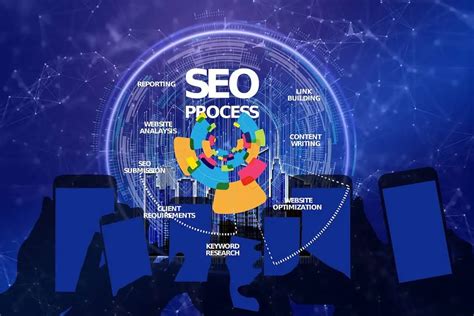
Even the best guide is ineffective if no one can find it. Implement these SEO strategies:
- Keyword Research & Placement: Identify the specific terms players use to search for help (e.g., “Elden Ring Radahn boss fight guide,” “Stardew Valley fishing tips”). Incorporate these keywords naturally in your title, headings, introductory paragraphs, and throughout the content.
- Effective Heading Usage: Utilize
<h2>for main sections, and<h3>/<h4>for sub-sections. This creates a logical hierarchy that search engines understand and improves readability for users. - Internal & External Linking: Link to other relevant guides on your site (internal linking) to improve site navigation and distribute link equity. Link to authoritative external resources where appropriate.
- Descriptive Image Alt Text: While image `src` is empty per instructions, in a real scenario, descriptive
alttext for your images helps search engines understand their content and improves accessibility. - Mobile-Friendliness: Ensure your guide is fully responsive and loads quickly on all devices, as mobile search is increasingly dominant.

A Step-by-Step Approach to Guide Structure
Consider this recommended flow for most comprehensive gaming guides:
- Introduction: Briefly state what the guide covers, for whom it’s intended, and what players will achieve by following it.
- Table of Contents (Optional but Recommended): For longer guides, an interactive TOC with jump links allows players to quickly navigate to relevant sections.
- Prerequisites / Preparations: List any items, levels, or prior quests needed before starting the guide’s main objective.
- Main Walkthrough Sections: Break the core objective into logical, sequential stages. Use clear
<h3>or<h4>headings for each stage. - Specific Strategies / Boss Fights: Dedicate distinct sections for complex encounters or unique challenges, offering detailed tactics.
- Collectibles / Side Quests (If Applicable): Include separate sections for optional content that players might seek out.
- FAQs / Troubleshooting: Address common problems or questions players might encounter.
- Conclusion / Further Resources: Summarize key takeaways, offer final tips, and link to related guides or community resources.
Best Practices for Maximum Impact
- Regular Updates: Games evolve. Keep your guides current with patches, DLCs, and meta shifts.
- Community Feedback: Encourage comments and use player feedback to refine and improve your guides.
- Readability & Formatting: Use short paragraphs, bold text for key information, and consistent formatting to make your guide easy on the eyes.
Common Pitfalls to Avoid
- Keyword Stuffing: Overusing keywords harms readability and can result in search engine penalties.
- Poor Formatting: A wall of text is intimidating and will drive users away.
- Lack of Visuals: Without visual aids, complex instructions become difficult to follow.
- Outdated Information: Irrelevant or incorrect details severely damage a guide’s credibility.
By meticulously structuring your gaming guides with both player engagement and SEO in mind, you create a powerful resource that benefits your audience and boosts your online presence. A well-organized, visually appealing, and keyword-optimized guide is your key to becoming a go-to authority in the gaming community.