What specific Indie Spotlight elements drive actual player installs or purchases effectively?
The Art of Conversion: Turning Exposure into Players
In the vast and ever-expanding universe of indie games, gaining visibility is just the first hurdle. The true challenge lies in converting that spotlight exposure into tangible player actions – installs, wishlists, and ultimately, purchases. It’s a nuanced process that goes beyond a catchy title or impressive graphics, delving into the psychological triggers and practical elements that persuade a potential player to commit. Understanding which specific elements within an “Indie Spotlight” truly drive these conversions is crucial for any developer aiming for success.
Visual Storytelling: Screenshots, Trailers, and Art Style
The immediate visual impression is arguably the most powerful initial driver. High-quality screenshots and an engaging trailer are not just eye-candy; they are critical marketing assets. Players often make snap judgments based on what they see first. A well-edited trailer that showcases core gameplay, unique mechanics, and the game’s overall mood within the first 30-60 seconds can be incredibly effective. Similarly, a consistent and appealing art style, clearly presented in screenshots, communicates the game’s identity and sets player expectations. Developers must ensure these visuals are representative of the actual game experience to avoid disappointment and build trust.
The Power of a Playable Demo or Free Trial
For many players, the biggest barrier to purchase is uncertainty. A playable demo or a free trial period can significantly mitigate this risk. By allowing players to experience a slice of the game, understand its mechanics, and connect with its world without immediate financial commitment, developers can build confidence and generate genuine interest. A well-crafted demo acts as an effective sales tool, showcasing the game’s strengths and leaving players wanting more. It’s a direct invitation to engage, often leading directly to a purchase or a wishlist add if the experience is compelling.
Community Engagement and Developer Transparency
In the indie space, the human connection often plays a larger role than in AAA titles. Developers who actively engage with their communities, provide regular updates, and maintain transparency about their development process build a loyal following. Q&A sessions, dev diaries, and responsive communication on forums or social media foster a sense of trust and investment. Players are more likely to support a game – and purchase it – when they feel connected to its creators and believe in their vision. This personal touch differentiates indie games and transforms casual observers into dedicated fans.
Social Proof: Reviews, Testimonials, and Influencer Coverage
Humans are inherently social creatures, and our purchasing decisions are heavily influenced by the opinions of others. Positive reviews, whether from critics or fellow players, serve as strong social proof. A “Very Positive” rating on Steam, glowing testimonials on a store page, or coverage from respected gaming influencers can dramatically sway potential buyers. Developers should actively encourage satisfied players to leave reviews and consider sending review copies to relevant content creators. The credibility lent by third-party endorsements is invaluable in converting hesitant browsers into confident buyers.
Strategic Pricing, Bundles, and Promotions
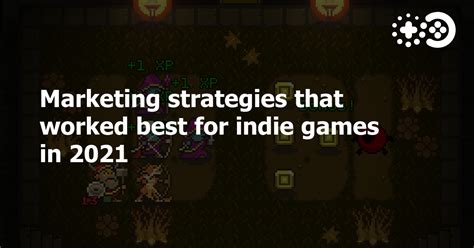
While the quality of the game is paramount, its perceived value and accessibility are also significant drivers of conversion. Strategic pricing – not necessarily the lowest, but one that feels fair for the content offered – is key. Limited-time discounts, launch sales, or inclusion in curated bundles can provide a strong incentive for fence-sitters. Understanding market trends and player expectations for similar indie titles helps in setting an attractive price point. Promotions, when timed correctly and communicated effectively, can create a sense of urgency and value that pushes players over the edge to purchase.
Leveraging Platform Features: Wishlists and Storefront Optimization
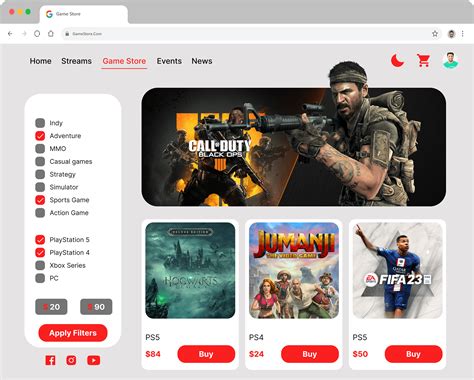
Platforms like Steam, Xbox, PlayStation, and Nintendo eShop offer powerful tools for discoverability and conversion. Optimizing a game’s store page with clear descriptions, relevant tags, localized content, and captivating visuals is fundamental. Perhaps most critical is the wishlist function. Actively encouraging players to wishlist a game provides a direct marketing channel for future updates and sales notifications. A large number of wishlists also signals to the platform’s algorithms that a game is popular, potentially boosting its visibility in future promotions or recommendations.
Conclusion: A Holistic Approach to Conversion
Ultimately, driving installs and purchases effectively through an Indie Spotlight requires a holistic and multi-faceted approach. It’s not just about one killer trailer or a single positive review, but rather the synergistic combination of compelling visuals, an accessible playable experience, genuine community engagement, strong social proof, smart pricing, and diligent platform optimization. Indie developers who meticulously craft each of these elements within their spotlight presence stand the best chance of cutting through the noise and building a thriving player base.