Experiencing sudden FPS drops in demanding games. What are common causes & optimization tips?

Understanding Sudden FPS Drops in Demanding Games
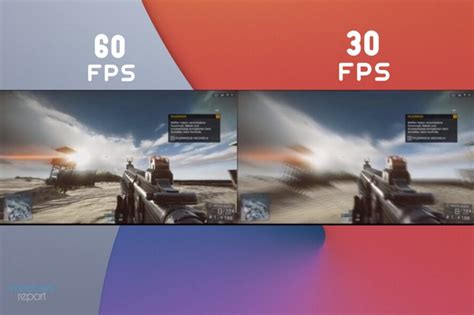
There’s nothing quite as frustrating as being deep in an intense gaming session only for your frame rate to suddenly plummet. These sudden FPS drops, especially in graphically demanding titles, can disrupt immersion and significantly impact your performance. While the immediate reaction might be panic, understanding the common culprits behind these drops is the first step toward a smoother gaming experience.

Common Causes of FPS Drops
Pinpointing the exact reason for an FPS drop can sometimes feel like detective work, but most issues fall into a few key categories:
1. Overheating and Thermal Throttling
One of the most frequent offenders is excessive heat. When your CPU or GPU gets too hot, it automatically reduces its clock speed to prevent damage. This “thermal throttling” directly translates to a sudden drop in performance and FPS. Poor airflow in your case, dusty components, or inadequate cooling solutions are common causes.
2. Outdated or Corrupt Drivers
Your graphics card drivers are the bridge between your hardware and the game. Outdated, corrupt, or even recently installed but buggy drivers can cause significant performance instability, including intermittent FPS drops. It’s crucial to keep them updated but also to be aware that new driver versions can sometimes introduce unforeseen issues.

3. Background Applications and Software Conflicts
Modern PCs run numerous processes simultaneously. Resource-intensive background applications (like web browsers with many tabs, streaming software, antivirus scans, or even system updates) can compete with your game for CPU, RAM, and GPU resources, leading to sudden performance hits.
4. Insufficient Power Supply (PSU)
If your power supply unit isn’t delivering stable or sufficient power, especially during peak load, your components won’t be able to perform consistently. This can lead to throttling or instability, manifesting as sudden FPS drops. This is particularly relevant after hardware upgrades.
5. Storage Drive Performance
While less common for sudden drops during gameplay (more for stuttering or load times), a slow HDD or a nearly full SSD can sometimes contribute to performance bottlenecks if the game is constantly streaming assets. However, for “sudden drops,” other factors are usually more dominant.
Optimization Tips to Combat FPS Drops
Once you have an idea of what might be causing your performance issues, here are actionable steps you can take to alleviate them:
1. Monitor Your Temperatures
Use monitoring software like HWMonitor, MSI Afterburner, or NZXT CAM to keep an eye on your CPU and GPU temperatures while gaming. If temperatures consistently hit 80°C (176°F) or higher, improving cooling is your priority. This could involve cleaning out dust, improving case airflow, or upgrading your cooler.
2. Update Your Drivers (and Know When to Roll Back)
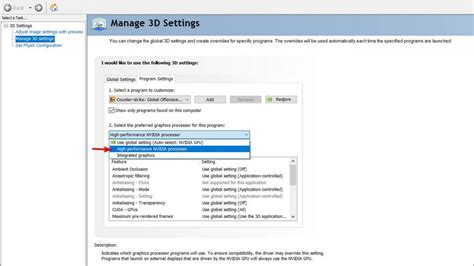
Always ensure your GPU drivers (NVIDIA GeForce Experience, AMD Adrenalin) and chipset drivers are up to date. However, if a new driver causes issues, don’t hesitate to roll back to a previously stable version. A clean driver installation using DDU (Display Driver Uninstaller) can also resolve deep-seated driver conflicts.
3. Manage Background Processes
Before launching a demanding game, close any unnecessary applications. Use Task Manager (Ctrl+Shift+Esc) to identify and end resource-hogging background processes. Also, ensure your operating system’s power plan is set to “High Performance” (or “Ultimate Performance” if available).

4. Adjust In-Game Graphics Settings
Even powerful systems can be pushed to their limits. Experiment with lowering graphically demanding settings like Anti-Aliasing, Shadow Quality, Volumetric Fog, and Post-Processing effects. Reducing resolution or scaling can also yield significant FPS gains. Often, a slight reduction in a few settings can make a huge difference with minimal visual impact.
5. Ensure Proper Power Delivery
Verify your PSU wattage is sufficient for your components, especially if you’ve recently upgraded your GPU. Ensure all power cables are securely connected. Consider testing your system with a different PSU if suspecting power instability.
6. Optimize Storage and Verify Game Files
Ensure your game is installed on an SSD for faster loading and asset streaming. Keep some free space on your drive (ideally 15-20%). Use game launcher features (Steam “Verify integrity of game files,” Epic Games “Verify”) to check for corrupt or missing game files.

Conclusion
Sudden FPS drops can be a complex issue with multiple potential causes. By systematically troubleshooting and applying these common optimization tips, you can often identify and resolve the underlying problems. Start with the easiest and most common fixes first, such as monitoring temperatures and updating drivers, and gradually work your way through more involved solutions. A little investigation can go a long way in bringing back the smooth, immersive gaming experience you deserve.