What makes an indie game truly ‘Spotlight’ worthy to maximize player discovery?

Navigating the Crowded Waters of Indie Game Discovery
In today’s expansive digital landscape, the indie game scene is a vibrant, bustling marketplace. Thousands of new titles launch every year, each vying for player attention. For an indie game to genuinely earn a ‘Spotlight’ – a moment of elevated visibility that can dramatically alter its trajectory – it needs more than just a good concept. It requires a confluence of elements that resonate deeply with players and critics alike, transcending the noise to truly maximize player discovery.
Beyond the Hype: The Essence of ‘Spotlight’ Worthiness
Being ‘Spotlight’ worthy isn’t merely about having a clever gimmick or an aesthetically pleasing trailer. It’s about demonstrating a holistic excellence that signals a game is ready for prime time. This means going beyond basic functionality to deliver a memorable, impactful experience that feels both fresh and refined. Developers must think about how their game will captivate players from the first glance, hold their interest, and ultimately leave a lasting impression.
Innovation and Polish: The Core Pillars
At its heart, a ‘Spotlight’ worthy indie game often brings something genuinely new to the table. This could be a unique gameplay mechanic that redefines a genre, an unconventional narrative structure, or a groundbreaking artistic approach. Innovation isn’t just about being different; it’s about being different in a way that enhances the player experience and offers a fresh perspective. However, innovation without execution falls flat.
Equally crucial is polish. A game might have the most brilliant ideas, but if it’s riddled with bugs, suffers from poor optimization, or has unrefined controls, it will struggle to gain traction. ‘Spotlight’ games feel complete, stable, and meticulously crafted, demonstrating a developer’s dedication to quality. Players are increasingly discerning, and a smooth, bug-free experience speaks volumes about a game’s potential.

Compelling Art, Sound, and Narrative
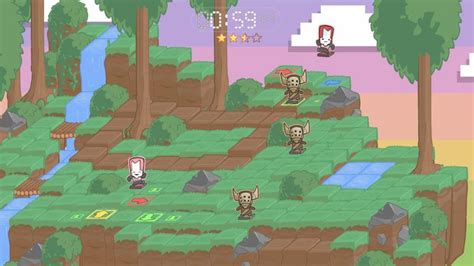
While gameplay is king, the aesthetic and auditory experience forms the soul of a game. A distinctive art style, whether pixel art, hand-drawn, or 3D, can instantly make a game recognizable and intriguing. This isn’t about photorealism, but about creating a visual identity that is consistent, expressive, and unique. Similarly, sound design and music play a critical role in setting the mood, enhancing immersion, and making the game world feel alive.
Furthermore, a strong narrative or compelling world-building can elevate a game from a fun distraction to an unforgettable journey. Whether through explicit storytelling or environmental exposition, a game that evokes emotion and provides a sense of purpose or wonder is far more likely to stick with players and encourage word-of-mouth recommendations.

Community Engagement and Savvy Marketing
Even the most brilliant game can get lost without effective visibility. Being ‘Spotlight’ worthy also means having a smart, proactive approach to community building and marketing. Engaging with players early through platforms like social media, Discord, and streaming services builds anticipation and a dedicated fanbase. Developers who genuinely listen to feedback and interact with their community foster a powerful sense of ownership and loyalty.
Beyond community, a clear and consistent marketing message is vital. This includes well-crafted trailers, compelling screenshots, a strong demo, and a strategic presence at gaming events. Understanding how to communicate the game’s unique selling points effectively to both players and media outlets is paramount for cutting through the noise and catching the attention of curators and platforms.

The ‘X-Factor’ and Player Experience
Sometimes, a game simply has an indefinable ‘X-factor’ – a charm, an addictive quality, or an unexpected emotional depth that transcends its individual components. This often stems from a deep understanding of player psychology and a commitment to creating an experience that is not just playable, but genuinely enjoyable and memorable. This could manifest as delightful hidden secrets, emergent gameplay, or simply a feeling of pure fun.
Ultimately, a ‘Spotlight’ worthy game delivers a consistently high-quality player experience from start to finish. It understands its audience, respects their time, and provides value beyond the initial purchase. This could involve strong replayability, meaningful updates, or a vibrant modding community.
Readiness for Prime Time: Launch and Beyond
Finally, a game poised for the ‘Spotlight’ is a game that is ready for the attention it receives. This means not just being technically sound, but also having a post-launch plan, anticipating community needs, and being prepared to handle increased scrutiny. Demos, early access periods, and betas are invaluable tools for gathering critical feedback and fine-tuning the experience before a full launch.
The journey to becoming ‘Spotlight’ worthy is arduous, demanding passion, perseverance, and a relentless pursuit of excellence. It’s about crafting a game that not only works well but also deeply connects with players, stands out visually and audibly, innovates meaningfully, and is supported by a robust community and a smart marketing strategy. When these elements align, an indie game doesn’t just launch; it shines, maximizing its potential for discovery and leaving an indelible mark on the gaming world.