How do we efficiently update game guides for patches without constant rewrites?

Game guides are invaluable resources for players, offering insights into mechanics, strategies, and optimal progression. However, in the ever-evolving landscape of live-service games, patches and updates are a constant, posing a significant challenge for guide creators: how do you keep information current without constantly rewriting entire sections from scratch? The goal is to move from reactive, laborious overhauls to proactive, efficient update processes.
Modular Design: Build for Adaptability
One of the most effective strategies is to design your guides with modularity in mind from the outset. Instead of monolithic blocks of text, break down information into discrete, self-contained sections. Imagine your guide as a collection of interconnected articles rather than a single document. This means separating core mechanics, which change infrequently, from specific item stats, build recommendations, or boss strategies, which are highly susceptible to patch impacts.
For example, a section on a character’s core abilities can remain largely untouched, while a separate section detailing optimal gear choices or talent builds can be easily swapped or updated when balance changes occur. Using clear headings, subheadings, and internal linking further enhances this modularity, allowing you to direct readers to specific updated sections without disrupting the entire guide flow.

Implement Version Control and Change Logs
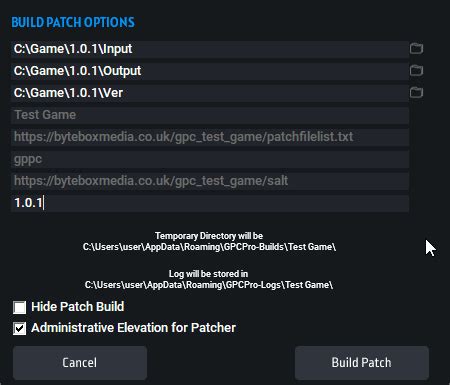
Just as software developers use version control, guide writers can benefit from similar practices. Integrate a simple system to track changes. This could be as basic as adding a “Last Updated” date to each section or, more comprehensively, maintaining a dedicated “Patch Notes” or “Change Log” section within your guide. This section would explicitly detail what changed in which patch, linking directly to the affected guide areas.
Highlighting new or altered information with distinct formatting (e.g., a “New in Patch X.X” tag or a different background color for updated paragraphs) helps readers quickly identify relevant changes without having to re-read everything. This transparency not only saves time for you but also builds trust with your audience, showing them exactly where to focus their attention after an update.
Centralize Dynamic Information
Many game guides include specific numerical values – damage numbers, cooldowns, item stats, or resource costs – that are frequently tweaked by developers. Instead of scattering these values throughout your guide, consider centralizing them. While not always feasible for simple text documents, for guides hosted on platforms with database capabilities or custom content management systems (CMS), this can be a game-changer.
If a particular item’s stats are referenced in five different character builds, updating that stat in a single centralized location ensures consistency across all five references. For less technical setups, even a dedicated “Key Stats” appendix or glossary where these numbers are listed and then referenced in the main body can reduce the search-and-replace burden significantly. This approach shifts the update effort from finding every instance to modifying a single source.

Leverage Community Feedback and Collaboration
You don’t have to be a solo detective tracking every minor patch change. The gaming community is often an excellent, real-time source of information. Encourage feedback from your readers. Provide clear channels for them to report outdated information or suggest necessary updates. This could be through comments sections, dedicated forum threads, or social media.
For larger guide projects, consider inviting trusted community members or fellow content creators to contribute or review sections. A collaborative approach can significantly lighten the workload and ensure a broader range of expertise is applied to keeping the guide accurate and comprehensive. Always credit contributors to foster a positive, collaborative environment.

Prioritize High-Impact Changes
Not all patch changes are created equal. Some updates are minor numerical tweaks, while others fundamentally alter gameplay loops or character viability. Develop a system for prioritizing which guide sections require immediate attention. Focus first on changes that dramatically affect core strategies, character builds, or progression paths. Small balance adjustments to less popular items or abilities can often wait for a secondary pass.
Understanding the patch notes thoroughly and assessing their impact is crucial. Don’t feel pressured to update every single detail within hours of a patch drop. Instead, communicate transparently with your audience about your update schedule and focus on providing accurate information for the most critical elements first, then fill in the smaller details over time.
Conclusion
Updating game guides for patches doesn’t have to be an endless cycle of painful rewrites. By adopting a modular content design, implementing clear version control, centralizing dynamic data, leveraging community insights, and prioritizing updates based on impact, content creators can transform a daunting task into a manageable and efficient process. These strategies not only save time and effort but also ensure that your guides remain reliable, valuable resources for your audience, fostering a stronger connection with your community in the long run.