What strategies combat toxicity in large game modding communities?

The Challenge of Toxicity in Modding Communities
Large game modding communities are vibrant hubs of creativity, innovation, and shared passion. However, like any large online gathering, they are not immune to toxicity. Issues such as gatekeeping, harassment, flame wars, and even discrimination can emerge, threatening the very fabric of collaboration and enjoyment. When left unchecked, toxicity can drive away talented modders, discourage newcomers, and diminish the overall health and productivity of the community.
Understanding the root causes—which can range from anonymity and power dynamics to differing expectations and perceived injustices—is the first step towards developing effective countermeasures. A proactive and comprehensive strategy is crucial to maintain a welcoming and productive environment for everyone involved in the modding ecosystem.

Establishing Clear Guidelines and Enforcement
One of the most fundamental strategies is the establishment and consistent enforcement of clear community guidelines or a code of conduct. These rules should explicitly define what constitutes acceptable and unacceptable behavior, covering topics such as respect, constructive criticism, handling disputes, and zero tolerance for harassment or hate speech. The guidelines should be easily accessible, prominently displayed, and regularly reiterated to all members.
Consistent enforcement is paramount. Moderators must apply the rules fairly and impartially, without favoritism. This builds trust and signals that the community leadership takes its responsibility seriously. Penalties for violations should be clearly outlined and escalate appropriately, from warnings to temporary bans and, in severe cases, permanent removal. Transparency about the enforcement process, without divulging private details, can further strengthen community trust.
Empowering and Supporting Moderators
Moderators are the frontline defense against toxicity. They need to be well-trained, adequately supported, and given the necessary tools to perform their duties effectively. Training should cover conflict resolution, de-escalation techniques, understanding bias, and the proper application of community rules. It’s also vital to provide a safe space for moderators themselves to discuss challenges and receive support, as moderation can be an emotionally taxing role.
For very large communities, a tiered moderation system (e.g., global moderators, sub-community moderators, trusted users) can distribute the workload and leverage specific expertise. Empowering trusted community members to report issues effectively and even assist in a limited capacity can also extend the reach of moderation, provided they are properly vetted and trained.
![[S&S] Official Modding Guidelines from Skydance Interactive : r/TWDVR](/images/aHR0cHM6Ly90czIubW0uYmluZy5uZXQvdGg/aWQ9T0lQLkxkeUF5X2RwaDZYZUlZM1hFR0c4TEFIYUpwJnBpZD0xNS4x.webp)
Fostering Positive Reinforcement and Recognition
While addressing negative behavior is important, actively fostering positive interactions is equally critical. Recognizing and rewarding constructive contributions, helpfulness, and positive engagement can shift the community’s focus towards desirable behaviors. This can take many forms: featuring outstanding mods, spotlighting helpful members, running community events, or creating dedicated channels for positive feedback.
Encouraging mentorship between experienced modders and newcomers can also build stronger bonds and create a more supportive atmosphere. When members feel valued and appreciated for their positive contributions, they are more likely to uphold those standards and contribute to a healthier community culture.
Utilizing Technology and Automation
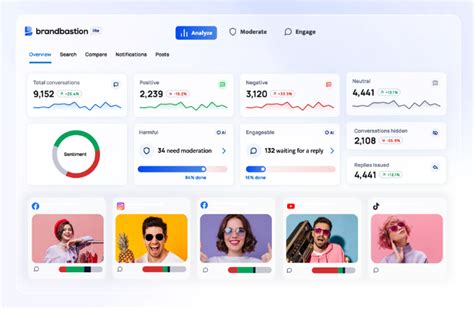
Modern community platforms offer a range of tools to assist in combating toxicity. Automated filters can detect and flag offensive language, spam, or repetitive trolling attempts before they become widely visible. AI-powered moderation tools can help identify patterns of toxic behavior, allowing human moderators to intervene more strategically. User reporting systems are indispensable, enabling community members to flag content or users who violate guidelines directly.
Furthermore, features like ‘ignore’ lists, content filters, and private messaging controls give individual users more agency in curating their own experience, reducing their exposure to unwanted interactions. Leveraging these technological aids can significantly reduce the burden on human moderators while providing a more consistent and scalable defense against toxicity.
Promoting Conflict Resolution and Open Communication
Not every disagreement needs to escalate to a ban. Implementing mechanisms for constructive conflict resolution can prevent minor disputes from spiraling into major toxic events. This might include dedicated channels for dispute resolution, mediation services by neutral community members, or clearly defined processes for appealing moderation decisions.
Open and transparent communication from community leaders is also vital. Addressing community concerns proactively, explaining difficult decisions, and soliciting feedback can build trust and reduce resentment. Regular Q&A sessions or town hall discussions can provide platforms for community members to voice their opinions and feel heard, fostering a sense of collective ownership over the community’s well-being.
Conclusion
Combating toxicity in large game modding communities is an ongoing process that requires vigilance, adaptability, and a commitment from all stakeholders. By combining clear guidelines, robust moderation, technological assistance, positive reinforcement, and a culture of open communication and respect, communities can create environments where creativity flourishes and modders feel safe, valued, and empowered. A healthy modding community is not just free of toxicity; it actively cultivates an atmosphere of mutual support and shared enthusiasm, ensuring a vibrant future for game modification.