





How to structure gaming guides for easy player navigation & quick info access?

Navigating the sprawling worlds of modern video games can be a daunting task for many players. Whether they’re stuck on a tricky boss, searching for a hidden collectible, or optimizing their character build, players often turn to guides for help. But a guide, no matter how comprehensive, is only useful if its information is easily found and understood. This article explores essential strategies for structuring gaming guides to ensure effortless player navigation and rapid access to crucial information.

The Foundation of an Effective Gaming Guide
At its heart, a great gaming guide serves as a player’s trusted companion, not a frustrating maze. The primary goal is to minimize friction between the player’s question and the answer. This requires a deliberate approach to organization, prioritizing clarity, accessibility, and speed.
Understand Your Audience and Their Needs
Before you even write a single word, consider who your guide is for. Are they new players needing basic explanations, or veterans looking for advanced optimization? Tailoring the depth and terminology to your audience is crucial. New players might need a step-by-step walkthrough, while experienced players might just need a quick reference table.
Essential Structural Elements for Navigation
The backbone of any navigable guide lies in its inherent structure. Without these elements, even the best advice gets lost, leading to player frustration.
The Indispensable Table of Contents (TOC)
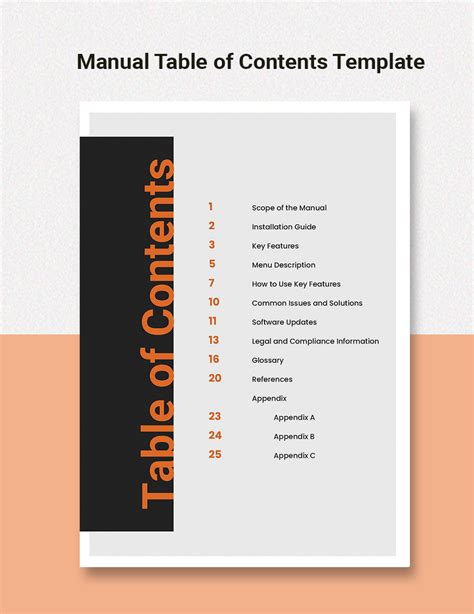
A comprehensive, clickable Table of Contents (TOC) at the beginning of your guide is non-negotiable. It acts as a roadmap, allowing players to instantly jump to the section they need without endless scrolling. For very long guides, consider a floating sidebar TOC that remains visible as the user scrolls, further enhancing usability.
Clear, Descriptive Headings
Utilize <h2> and <h3> tags effectively. <h2> should denote major sections (e.g., ‘Main Quest Walkthrough’, ‘Character Builds’, ‘Side Quests & Collectibles’), while <h3> breaks these down further (e.g., ‘Chapter 3: The Crimson Peaks’, ‘Warrior Tank Build’, ‘All Hidden Lore Items’). Headings should be descriptive, keyword-rich, and anticipate common player queries, acting as mini-signposts.

Logical Sectioning and Chunking
Break down information into digestible chunks. Instead of one massive block of text on ‘Items,’ create sub-sections like ‘Weapons,’ ‘Armor,’ ‘Consumables,’ each with their own sub-sub-sections if necessary. This prevents information overload and makes scanning for specific details much easier.
Enhancing Readability and Quick Access
Beyond basic structure, how you present information within those sections dramatically impacts usability and the speed at which players can extract value.
Leverage Bullet Points, Numbered Lists, and Bold Text
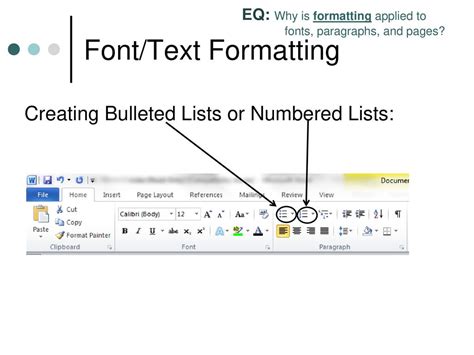
Dense, sprawling paragraphs are an enemy of quick information retrieval. Use bullet points for lists of items, pros/cons, or key takeaways. Numbered lists are perfect for step-by-step instructions or sequences. Bold important keywords, stats, or crucial warnings to draw the eye, guiding players to the most critical information at a glance.
Implement Quick Reference Tables and Summaries
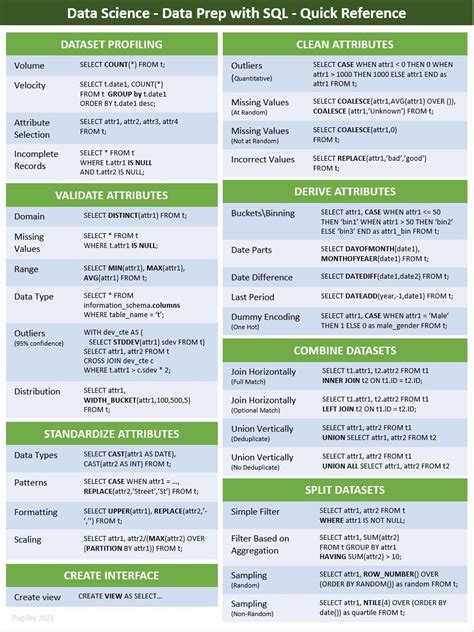
For data-heavy information (e.g., weapon stats, enemy weaknesses, crafting recipes, character abilities), a well-formatted table is far superior to lengthy prose. Tables allow for rapid comparison and easy data extraction. Similarly, a concise ‘Quick Summary’ or ‘Key Takeaways’ box at the top of a detailed section can provide vital information at a glance, allowing players to decide if they need to delve deeper into the full text.
Strategic Internal Linking and Search Functionality
Weave internal links throughout your guide, connecting related sections (e.g., linking a ‘Boss Strategy’ to the ‘Recommended Builds’ section or a ‘Gear Farming Spot’ to the ‘Best Equipment’ guide). This creates a web of interconnected knowledge. If your guide lives on a platform with search functionality, ensure your headings and content are optimized with relevant keywords to make discovery easy for users searching within your content.
Testing and Refinement
A guide, however well-intentioned, is never truly ‘finished’ without rigorous testing. Have others navigate your guide – ideally someone from your target audience – to identify bottlenecks, areas of confusion, or information gaps. Solicit honest feedback and use it to continuously improve the structure, clarity, and accessibility of your content.
Conclusion
Crafting an effective gaming guide is an art form that balances comprehensive detail with intuitive design. By prioritizing clear structure, logical organization, and user-friendly formatting, you transform a potentially overwhelming resource into an invaluable asset for players. A well-structured guide not only helps players succeed in their chosen game but also significantly enhances their overall gaming experience, fostering a positive relationship with your content and establishing you as a reliable source of information.



