What specific practice routines truly elevate a competitive gamer’s mechanics & game sense?

In the high-stakes world of competitive gaming, raw talent only gets you so far. The true champions aren’t just playing; they’re practicing with intent. Elevating mechanics and game sense from ‘good’ to ‘elite’ demands a disciplined, multifaceted approach that goes far beyond simply queuing up for another match. It’s about breaking down the game, understanding its nuances, and meticulously refining every aspect of play.
Sharpening Mechanics: The Hands-On Approach
Mechanical skill is the foundational bedrock of any competitive gamer. It encompasses everything from micro-level controls to precise input execution. Simply playing games will improve this to a degree, but deliberate practice accelerates mastery.
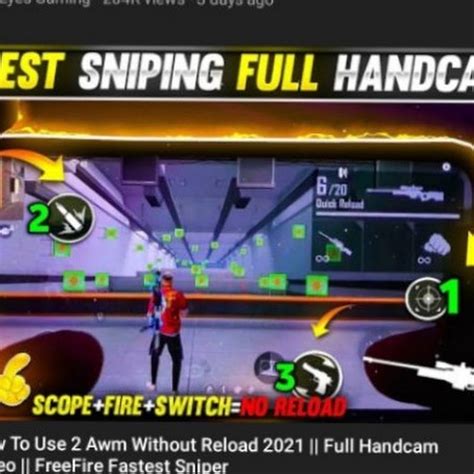
- Targeted Drills & Aim Trainers: For FPS and MOBA players, this is non-negotiable. Dedicated aim trainers (like Kovaak’s, Aim Lab) improve flick shots, tracking, and reaction time. MOBA players can utilize custom game modes or practice tools for last-hitting, jungle pathing, and intricate combo execution. These drills isolate specific skills, allowing for concentrated improvement without the distractions of a full match.
- Movement & Positioning Drills: Mastering character movement, dodge mechanics, and efficient map traversal is crucial. This involves practicing specific movement patterns, navigating complex terrain swiftly, and understanding optimal positioning for engagements or escapes. Repeatedly executing these in custom scenarios builds muscle memory and situational awareness.
- Reaction Time & Input Execution: Some games demand incredibly fast and precise inputs. Practicing specific button combinations, hotkey sequences, or ability rotations until they become second nature minimizes errors under pressure. This can involve using training dummies, sandbox modes, or even third-party reaction time trainers.
- Consistent Warm-up Routines: Before every serious practice session or match, a structured warm-up routine prepares the body and mind. This typically includes a mix of aim training, movement drills, and a few casual games to get into the flow, ensuring peak performance from the outset.
Cultivating Game Sense: The Mind Game
While mechanics dictate what a player can do, game sense dictates what they should do. It’s the strategic intelligence, decision-making, and predictive ability that separates average players from masterminds.
![Conduct a Competitive Analysis (With Examples) [2024] • Asana ...](/images/aHR0cHM6Ly90czQubW0uYmluZy5uZXQvdGg/aWQ9T0lQLk43YWZ0dzc5M1lHbHlJRDBxYk9RVndIYUlKJnBpZD0xNS4x.webp)
- Replay Analysis & VOD Review: This is arguably the single most effective tool for improving game sense. Regularly reviewing your own gameplay, and that of professional players, allows for objective analysis. Identify mistakes in positioning, decision-making, rotations, and resource management. Ask ‘why’ for every action and outcome. Compare your plays to optimal ones.
- Strategic Theorycrafting & Scenario Practice: Engage in discussions with teammates, coaches, or online communities about game theory, meta shifts, and specific strategies. Then, test these theories in custom games or scrims. Practice specific scenarios: what to do when behind, how to close out a game, or how to execute a specific team fight composition.
- Communication & Team Coordination Drills: For team-based games, effective communication is paramount. Practice clear, concise, and timely callouts. Develop shorthand for key information. Run drills that emphasize synchronized pushes, objective takes, or defensive rotations, fostering seamless teamwork.
- Understanding Meta & Adaptability: The competitive landscape is constantly evolving. Staying updated on patch changes, new strategies, and character strengths/weaknesses is vital. Practice adapting to different team compositions, in-game situations, and opponent playstyles, learning to pivot strategies on the fly.
The Holistic Gamer: Beyond the Screen
Optimal performance isn’t just about what happens during gameplay; it’s heavily influenced by a player’s physical and mental state.
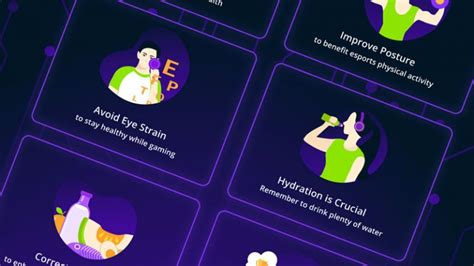
- Physical Well-being: Adequate sleep, proper nutrition, and regular physical exercise are critical. These improve reaction time, focus, mood, and reduce mental fatigue. A healthy body supports a healthy, sharp mind.
- Mental Fortitude & Stress Management: Competitive gaming is intensely stressful. Practice mindfulness, meditation, or simple breathing exercises to manage tilt, anxiety, and maintain composure under pressure. Building mental resilience helps in bouncing back from mistakes and maintaining focus throughout long tournaments.
- Structured Breaks & Preventing Burnout: Deliberate practice is demanding. Implement regular short breaks during sessions and schedule longer breaks away from the game. Preventing burnout is crucial for long-term consistency and passion for the game. Over-training can be as detrimental as under-training.
True elevation in competitive gaming doesn’t happen by accident. It’s the result of a meticulously planned, consistently executed practice routine that targets both mechanical precision and strategic brilliance. By committing to deliberate drills, insightful analysis, and holistic self-care, aspiring competitive gamers can unlock their full potential and truly dominate their chosen esports arena.