Effective VOD review techniques for competitive FPS improvement?
Introduction: Why VOD Review is Your Secret Weapon
In the high-octane world of competitive First-Person Shooters (FPS), raw mechanical skill is only one piece of the puzzle. True mastery and consistent improvement come from a deeper understanding of gameplay, decision-making, and execution. This is where Video On Demand (VOD) review becomes an invaluable tool. Far from just re-watching your highlights, effective VOD review is a structured process of self-analysis that allows players and teams to identify weaknesses, learn from mistakes, and formulate actionable strategies for future matches. It’s the critical link between playing and truly improving.

Setting the Stage: The Right Mindset and Tools
Embrace the Critic, Not the Fan
The most crucial aspect of VOD review is approaching it with an analytical, critical mindset. It’s not about celebrating your kills or getting frustrated by your deaths. Instead, it’s about objectivity: “What happened, why did it happen, and what could I have done differently?” Be prepared to confront your own mistakes; this vulnerability is the cornerstone of growth.
Essential Tools for Effective Review
- Reliable Recording Software: OBS Studio, NVIDIA ShadowPlay, or AMD ReLive are popular choices. Ensure high-quality capture for clarity.
- Annotation Tools: Some recording software offers basic annotation, but dedicated video editors or even simple pen and paper can help mark timestamps and key moments.
- Team Communication (Optional): If reviewing with a team, Discord or similar platforms are essential for shared screens and discussion.
The Structured VOD Review Process
Step 1: The Initial Watch-Through – Big Picture Overview
Start by watching the entire match from start to finish without pausing or taking notes. This gives you a holistic view of the game’s flow, momentum shifts, and overall team performance. Pay attention to initial strategies, how they played out, and the general rhythm of the match. Don’t get bogged down in specifics yet; just observe.

Step 2: Focused Analysis – Diving Deep into Key Moments
This is where the real work begins. Re-watch the VOD, but this time, pause frequently and ask targeted questions:
Focus Areas for Individual Players:
- Deaths: Every death is a learning opportunity. Why did you die?
- Positioning: Were you out of cover? Too exposed? In an easily predictable spot?
- Crosshair Placement: Was your crosshair at head height where enemies would appear?
- Decision-Making: Was that push necessary? Did you overextend? Did you peek at a bad time?
- Utility Usage: Did you use your grenades, abilities, or ultimates effectively? Or did you hold them too long?
- Awareness: Were you checking your flanks? Listening for audio cues? Were you surprised?
- Key Engagements: Review both wins and losses. What led to successful gunfights? What caused losses, even if you didn’t die?
- Rotations & Pathing: Are you taking efficient routes? Are you vulnerable during rotations?
- Resource Management: Ammunition, health, shield, ability cooldowns – are you managing them optimally?

Focus Areas for Team Play:
- Team Fights: Analyze initiations, target priority, focus fire, and overall coordination.
- Communication: Were calls clear, concise, and timely? Were crucial pieces of information missed?
- Objective Play: How effectively did the team contest or secure objectives? Were pushes coordinated?
- Trade Kills: Was the team good at trading out teammates who got picked?
- Counter-Strategies: How did the team adapt to enemy plays? Were there missed opportunities to counter?
Step 3: Identifying Patterns and Root Causes
Don’t just identify isolated mistakes; look for recurring patterns. Do you consistently over-peek corners? Always get flanked on a specific map? Struggle with a particular enemy composition? Pinpointing these recurring issues helps you understand the underlying habits that need to be broken.
Ask “why” five times. For example: “I died.” -> “Why?” -> “I peeked.” -> “Why?” -> “I thought he was weak.” -> “Why?” -> “I didn’t hear the full spray.” -> “Why?” -> “My audio settings are bad.” This deep dive reveals the true root cause.
From Observation to Action: Implementing Changes
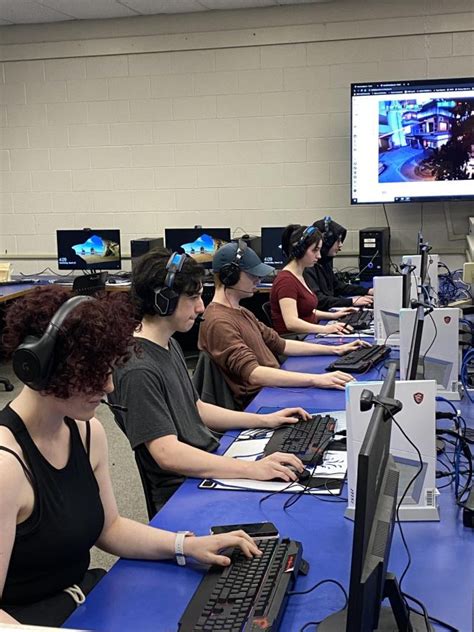
The VOD review is pointless without translating observations into actionable steps. For each identified mistake or area for improvement, create a concrete plan:
- Individual Drills: If crosshair placement is an issue, dedicate time to aim training maps or specific drills.
- Conscious Practice: During your next few games, actively focus on that one specific improvement. If you over-peek, remind yourself before every engagement to be careful.
- Team Strategy Sessions: Discuss team-related issues, develop new plays, or refine existing ones based on your findings.
- Follow-Up Review: Revisit previous VODs or record new ones to see if your efforts are yielding results.
Conclusion: The Continuous Loop of Improvement
Effective VOD review is not a one-time event; it’s a continuous, iterative process. The most successful competitive FPS players and teams integrate VOD analysis into their regular training regimen. By consistently reviewing gameplay, identifying patterns, developing actionable plans, and then implementing those changes in practice, you create a powerful feedback loop that accelerates your learning and propels you towards elite-level performance. Embrace the process, stay disciplined, and watch your game elevate.