How do pro players analyze VODs to identify weaknesses and improve their gameplay?

The Critical Role of VOD Analysis in Professional Esports
In the high-stakes world of professional esports, raw talent and extensive practice are merely the foundations. To truly stand out and maintain peak performance, pro players and teams engage in a rigorous process known as VOD (Video On Demand) analysis. This isn’t just casual viewing; it’s a systematic, in-depth dissection of past matches designed to uncover every nuance of gameplay, identify critical weaknesses, and forge a path to continuous improvement.
Understanding how pros approach VOD analysis provides invaluable insights for aspiring players and competitive enthusiasts alike. It’s a structured methodology that transforms raw game footage into actionable intelligence.
Setting the Stage: Defining Goals for Review
Before diving into a VOD, professional players and coaches establish clear objectives. A review isn’t a fishing expedition; it’s a targeted investigation. Goals might include:
- Identifying individual mechanical misplays (e.g., missed last hits, poor ability usage).
- Assessing decision-making at crucial moments (e.g., poor rotations, ill-timed engagements).
- Analyzing team coordination and communication breakdowns.
- Scouting opponent strategies, preferred item builds, or common movement patterns.
- Evaluating execution of specific game plans or new strategies.
Having a defined purpose helps focus the analysis and prevents analysts from getting lost in the sheer volume of information a game provides.
The Systematic Review Process: A Multi-Layered Approach
1. Initial Watch-Through: The Broad Strokes
The first pass often involves watching the game from a high-level perspective, usually with the player’s own perspective. The goal here is to get a general feel for the flow of the game, major turning points, and gut reactions without getting bogged down in specifics. Players might make mental notes of moments that felt particularly good or bad.
2. Deep Dive – Self-Review: Unflinching Self-Assessment
This is where the real work begins. Players re-watch the VOD, often in slow motion, scrutinizing every single action and decision they made. Key areas of focus include:
- Positioning: Was I in the optimal spot for vision, engagement, or escape?
- Mechanical Execution: Were my spell casts precise? Did I hit my shots? Was my movement crisp?
- Decision-Making: Why did I do X instead of Y? What were the alternatives? What information was I missing?
- Resource Management: Am I effectively using cooldowns, mana, health, or in-game currency?
- Trade-offs: What did I gain or lose by making a particular play? Was it worth it?
Pros often use a notepad or digital tool to timestamp specific moments and write down detailed notes about mistakes, missed opportunities, or areas for improvement. This brutal self-assessment is crucial for personal growth.

3. Deep Dive – Opponent & Team Review: Strategic Insights
Beyond individual performance, pros analyze the VODs from different perspectives:
- Opponent’s Perspective: Switching to the opponent’s view reveals their intentions, common patterns, preferred strategies, and how they reacted to your team’s plays. This is vital for developing counter-strategies.
- Team Perspective: This involves reviewing teamfights, rotations, and objective control to assess communication, synergy, and macro-level strategy. Were teammates on the same page? Were calls clear and concise? Where were the communication breakdowns?
Many professional teams have dedicated analysts who compile reports from these reviews, highlighting trends and critical moments for the entire squad.

Tools and Techniques for Enhanced Analysis
Pro players utilize various techniques to maximize their VOD analysis:
- Multiple Playback Speeds: Slow-motion is essential for dissecting rapid sequences, while faster speeds help get a sense of overall pacing.
- Perspective Switching: Most competitive games offer replay systems that allow viewing from any player’s perspective, or even a free-cam mode. This is indispensable for understanding the full picture.
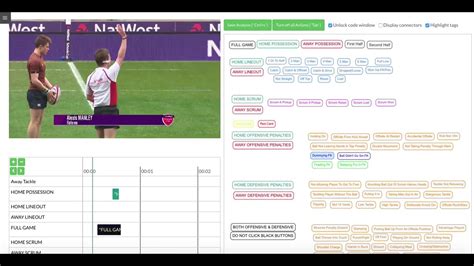
- Annotation and Timestamping: Marking specific moments with notes allows for quick revisiting of key plays and compilation of areas for discussion.
- Pattern Recognition: Identifying recurring mistakes (e.g., always getting caught out in a particular area) or repeated opponent strategies is more valuable than focusing solely on one-off errors.
Translating Analysis into Actionable Improvement
The most crucial step in VOD analysis is converting insights into tangible improvements. A review session isn’t complete until actionable steps are identified. These might include:
- Creating specific drills in practice mode to improve mechanical skills.
- Focusing on one or two key decision-making improvements per week.
- Implementing new communication protocols during scrims.
- Developing specific counter-strategies against common opponent setups.
Regular VOD analysis fosters a culture of continuous learning and adaptation. It’s an iterative process: analyze, identify, practice, implement, and then analyze again to track progress and uncover new areas for growth. This meticulous, data-driven approach is what separates the consistently performing professional players and teams from the rest of the competitive field.