Why low FPS after GPU driver update in new PC games?

The Frustration of Post-Update Performance Dips
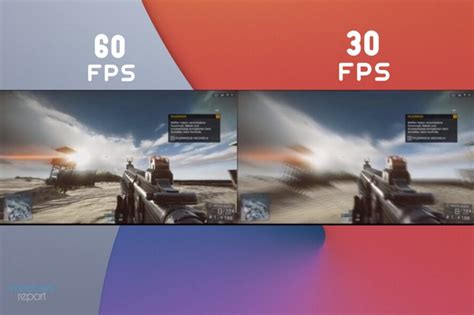
It’s a common expectation: update your graphics card drivers, and you’ll unlock better performance, especially in the latest PC titles. After all, driver updates often include optimizations for new games and general bug fixes. So, when you install the latest drivers only to find your frame rates plummeting or experiencing stuttering in new releases, it can be incredibly frustrating. This seemingly counter-intuitive problem is more common than you might think, and several factors can contribute to it.

Common Culprits Behind Reduced FPS
Before panicking, it’s essential to understand the potential reasons why your GPU driver update might have backfired on your gaming performance:
- Driver Bugs or Instability: Sometimes, new drivers, especially hotfixes or launch-day drivers for new games, can introduce bugs or be less stable than previous versions. These issues might affect specific hardware configurations or game engines.
- Game-Specific Incompatibility: While drivers aim to optimize for new games, occasionally a particular game’s engine or API implementation might clash with a specific driver version, leading to performance degradation.
- Shader Cache Rebuilding: After a major driver update, your system might need to rebuild the shader cache for your games. This process can cause initial stuttering or lower FPS for a short period until all shaders are recompiled.
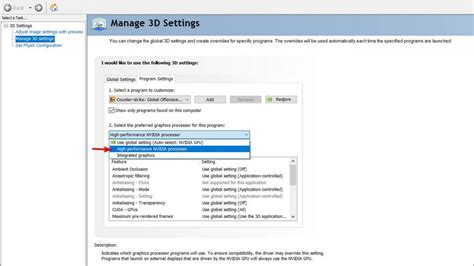
- Driver Settings Reset: A new driver installation can sometimes reset your custom graphics settings in the NVIDIA Control Panel or AMD Adrenalin Software to default, or even apply sub-optimal global settings.
- Conflicting Software/Residual Files: An unclean driver installation can leave behind old driver files that conflict with the new ones. Other background applications or overlays can also interfere.
- System Bottleneck Exposure: While less common, a driver update might change how resources are utilized, inadvertently highlighting an existing CPU or RAM bottleneck that wasn’t as apparent before.
Step-by-Step Troubleshooting for FPS Issues
Identifying the exact cause requires systematic troubleshooting. Here’s how to approach the problem:
1. Perform a Clean Driver Reinstallation
This is often the most effective first step. Use a tool like Display Driver Uninstaller (DDU) to completely remove all traces of previous and current graphics drivers. Boot into Safe Mode, run DDU, and then install the latest recommended drivers from your GPU manufacturer’s website (NVIDIA, AMD, or Intel). Ensure you select the ‘clean installation’ option if prompted.
2. Roll Back to a Previous Stable Driver Version
If the latest drivers are indeed the culprit, rolling back to the previous version that worked well is a solid solution. You can do this via Windows Device Manager or by manually downloading an older driver package from your GPU manufacturer’s archive. Test your games after rolling back to confirm if the FPS returns to normal.
3. Verify In-Game and Driver Settings
Check both your game’s graphics settings and your GPU control panel (NVIDIA Control Panel or AMD Adrenalin Software). Ensure that settings haven’t been reset to ultra-high options that your system can’t handle, or that power management modes aren’t set to ‘optimal power’ instead of ‘prefer maximum performance’.
4. Monitor System Performance
Use monitoring tools like MSI Afterburner, HWiNFO64, or the built-in Windows Task Manager to observe your GPU usage, CPU usage, RAM usage, and temperatures while gaming. Low GPU utilization might indicate a CPU bottleneck or a driver issue preventing the GPU from being fully utilized. High temperatures could lead to thermal throttling.
5. Check for Game Patches or Developer Advisories
Sometimes, game developers release patches to address compatibility issues with new GPU drivers. Check the game’s official forums, social media, or support pages for any known issues or recommended driver versions.
6. Update Other System Drivers and Windows
Ensure your Windows operating system is fully updated. Also, check for updates to your motherboard chipset drivers, as these can sometimes impact overall system stability and performance interactions with your GPU.
![Buy Windows 11 Pro Key – Windows 11 License [Cheap Price]](/images/aHR0cHM6Ly90czQubW0uYmluZy5uZXQvdGg/aWQ9T0lQLmdnZ2xzNW1XeU9POUhERVkxTjFSalFIYUhhJnBpZD0xNS4x.webp)
7. Disable Overlays and Background Applications
Overlays from Discord, Steam, NVIDIA GeForce Experience, AMD Radeon Software, or other applications can sometimes cause performance issues or conflicts. Try disabling them one by one to see if your FPS improves. Close any unnecessary background applications while gaming.
Experiencing low FPS after a GPU driver update is certainly vexing, but it’s a solvable problem in most cases. By systematically working through these troubleshooting steps, you can pinpoint the cause and restore your gaming rig to its optimal performance. Remember that while new drivers usually bring improvements, sometimes a slightly older, more stable version might be the best choice for your specific hardware and game library.