What’s the ideal structure for gaming guides, balancing quick answers, detail, & spoiler-free content?
Creating a truly effective gaming guide is an art form. It’s not just about providing information; it’s about delivering that information in a way that respects the player’s time, knowledge level, and desire for discovery. The challenge lies in simultaneously catering to someone who needs a quick solution to a puzzle, another seeking a deep dive into game mechanics, and a third trying to avoid story spoilers.
The Trifecta of Guide Excellence: Quick, Detailed, Spoiler-Free
At its core, an ideal gaming guide must master three critical components. It needs to offer immediate, actionable answers for urgent problems, provide comprehensive detail for those who want to understand the ‘why’ and ‘how,’ and do so without ruining the game’s narrative or surprise elements for new players. Achieving this balance is crucial for a guide’s utility and longevity.
Prioritizing Quick Answers for Immediate Solutions
Many players turn to guides in a moment of frustration, seeking a rapid solution to a specific roadblock. The structure should facilitate this by front-loading essential information.
At-a-Glance Summaries and FAQs
Start with a brief summary or a dedicated FAQ section for common issues. For boss fights, this might be a ‘TL;DR’ (Too Long; Didn’t Read) section with key weaknesses and strategies. For puzzles, it’s the direct answer. This allows players to get what they need and move on quickly.
Bolded Key Information and Callouts
Throughout the guide, use bold text, distinct callout boxes, or ‘tip’ sections to highlight critical steps, important item locations, or crucial enemy tells. These visual cues draw the eye to vital information without requiring the player to read dense paragraphs.

Delivering In-Depth Detail Without Overwhelm
While quick answers are vital, many players appreciate comprehensive explanations, especially for complex systems, advanced strategies, or lore interpretation.
Step-by-Step Walkthroughs and Explanations
For each segment of the game, provide clear, chronological step-by-step instructions. Break down complex tasks into manageable chunks. Explain the reasoning behind certain strategies or item choices, giving players a deeper understanding of the game’s mechanics rather than just telling them what to do.
Strategy Breakdown and Alternative Paths
When discussing boss fights or difficult challenges, offer multiple strategies catering to different playstyles or character builds. Detail the pros and cons of each approach. Furthermore, acknowledge and detail alternative paths or optional content, ensuring thoroughness for completionists.
Navigating the Minefield of Spoilers
Protecting the player’s experience is paramount. Spoilers can significantly diminish the enjoyment of a game, especially story-driven titles. A good guide actively works to prevent accidental reveals.
Clear Warning Labels and Spoiler Sections
Any section containing potential spoilers (story twists, major character fates, secret endings) should be clearly labeled. Consider using collapsible sections or a dedicated ‘Spoiler Zone’ that requires an intentional click to reveal the content. Provide a brief description of what will be spoiled so players can make an informed decision.
Progression-Based Guide Structure
Organize guides strictly by game progression. Avoid mentioning future events or characters until they are naturally encountered in the walkthrough. This means focusing on the current objective and only revealing information pertinent to that stage of the game.

Structural Elements for Optimal User Experience
Beyond content, the presentation and navigation of a guide are key to its success.
Dynamic Table of Contents (TOC)
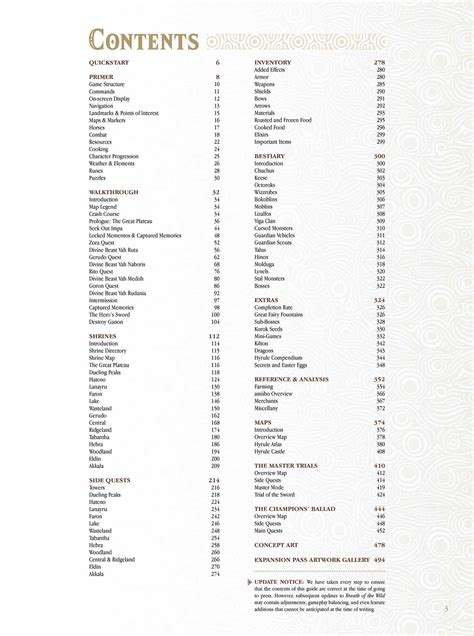
A prominent, easy-to-navigate table of contents is essential. It should be dynamic, linking directly to each major section and subsection. For longer guides, a sticky or collapsible TOC can greatly improve usability, allowing players to jump between sections effortlessly.
Collapsible Sections and Tabs
To manage information density, especially for detailed sections or optional content, utilize collapsible elements. This allows players to expand only the information they need, preventing an overwhelming wall of text and maintaining a clean layout.
Internal Linking for Seamless Navigation
Cross-reference relevant sections within the guide. If a specific item or mechanic is mentioned, link to the dedicated section where it’s fully explained. This creates a web of information that allows players to explore topics at their own pace and depth.

Conclusion: A Holistic Approach to Guide Design
The ideal structure for a gaming guide is not a one-size-fits-all template but a thoughtful integration of these principles. It requires understanding the player’s likely journey and anticipating their needs at every turn. By prioritizing quick solutions, offering detailed explanations strategically, and rigorously protecting against spoilers, guide creators can craft resources that enhance, rather than detract from, the magical experience of playing a game.