Best GPU drivers for peak gaming performance and stability?

The Critical Role of GPU Drivers in Gaming
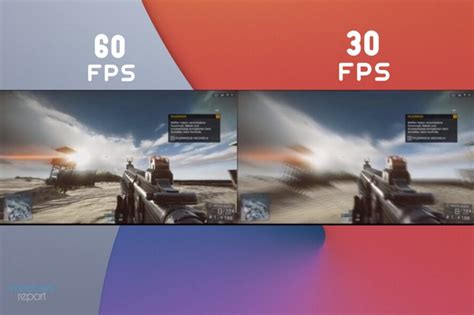
GPU drivers are the unsung heroes of your gaming rig. They are the software bridge between your operating system and your graphics card, translating commands into visual output. Without well-optimized drivers, even the most powerful GPU can falter, delivering stuttering gameplay, lower frame rates, or even system crashes. The quest for the ‘best’ driver is often a delicate balancing act between raw performance gains from the latest update and the rock-solid stability of a tried-and-true version.
Understanding which driver to install, when to update, and how to troubleshoot can significantly impact your gaming experience, transforming it from frustrating to fluid. This guide will delve into the nuances of GPU drivers from the major manufacturers, helping you make informed decisions.
Understanding Driver Types and Release Philosophies
Each GPU manufacturer approaches driver development with slightly different priorities, leading to distinct release cycles and driver types.
NVIDIA: Game Ready vs. Studio Drivers
- Game Ready Drivers (GRD): These are NVIDIA’s flagship drivers, released in conjunction with major game titles or significant game updates. They are specifically optimized to provide the best day-one performance for new releases, often incorporating bug fixes and performance enhancements tailored to specific games. For most gamers, GRD are the go-to choice.
- Studio Drivers (SD): Aimed at creators and professionals using applications like Adobe Premiere Pro, Blender, or Autodesk Maya. Studio Drivers prioritize stability and performance in creative workflows over bleeding-edge gaming optimizations. While they will still run games, they might not offer the absolute peak performance of a concurrent Game Ready Driver.
AMD: Adrenalin Software (Recommended vs. Optional)
- Recommended (WHQL-Certified) Drivers: AMD’s recommended drivers have undergone extensive testing and Microsoft’s Windows Hardware Quality Labs (WHQL) certification. These are generally the most stable and reliable choice for most users, offering a good balance of performance and bug fixes.
- Optional Drivers: These are newer drivers that may include optimizations for recently released games or experimental features. While they can offer performance boosts, they might also introduce new bugs or stability issues for some systems. AMD often releases these quickly after new game launches.
Intel Arc Drivers: A Rapid Evolution
As a newer player in the discrete GPU market, Intel’s Arc graphics cards have seen a rapid pace of driver development. Early drivers had significant performance and compatibility challenges, but Intel has been releasing frequent, substantial updates. For Intel Arc users, staying on the absolute latest driver is almost always recommended to benefit from ongoing performance optimizations and bug fixes.
Choosing the Right Driver: Performance vs. Stability
The ‘best’ driver isn’t a one-size-fits-all answer; it depends on your priorities:
- For Peak Performance in New Games: If you frequently play the latest AAA titles and prioritize every possible frame, opting for the newest Game Ready (NVIDIA) or Optional (AMD) drivers is often your best bet. Be prepared for potential minor bugs, though they are rare for major releases.
- For Maximum Stability and Reliability: If you value a consistent, crash-free experience over the absolute highest frame rates, or if you play older/less demanding games, consider NVIDIA Studio Drivers or AMD’s Recommended (WHQL) drivers. These have typically undergone more rigorous, prolonged testing.
- For Intel Arc Users: Always aim for the latest stable driver release. The performance improvements and bug fixes are usually significant enough to warrant immediate updates.
Best Practices for Driver Management
Regardless of your GPU manufacturer, adopting sound driver management practices can save you a lot of headaches:
1. Clean Installation is Key
Whenever updating your drivers, especially if you’re experiencing issues or switching between major driver versions, perform a clean installation. Both NVIDIA and AMD’s installers offer this option. For the most thorough clean-up, use a utility like Display Driver Uninstaller (DDU) in Windows Safe Mode. This removes all remnants of previous drivers, preventing conflicts.
2. Monitor Performance and Test
After a driver update, play your favorite games and monitor performance. Use tools like MSI Afterburner or AMD Radeon Overlay to check frame rates, GPU usage, and temperatures. If you notice a significant drop in performance or new stability issues, the driver might be the culprit.

3. Know How to Roll Back
If a new driver causes problems, you should know how to revert. Windows Device Manager allows you to ‘Roll Back Driver’ to the previous version. Alternatively, you can download an older, stable driver from your GPU manufacturer’s website and perform a clean installation.
4. Read Patch Notes
Before updating, quickly scan the driver release notes. They often highlight specific game optimizations, bug fixes, and known issues, which can help you decide if an update is beneficial for your system.
5. Avoid Beta Drivers (Unless Necessary)
Unless you’re troubleshooting a specific issue that a beta driver addresses or are an enthusiast willing to deal with potential instability, generally stick to official, stable releases.

Conclusion: Finding Your Driver Sweet Spot
The ‘best’ GPU driver is ultimately the one that provides you with the best balance of performance and stability for your specific hardware and gaming habits. For most gamers, staying updated with the latest Game Ready or Recommended drivers is a solid strategy. However, don’t be afraid to roll back if an update introduces problems, and always prioritize a clean installation for optimal results. By understanding the different driver philosophies and employing good management practices, you can ensure your GPU always delivers its peak potential for an immersive gaming experience.