





How can gaming guides balance SEO for discoverability with clear, spoiler-free player experience?

Gaming guides serve a critical role in the player ecosystem, helping enthusiasts navigate challenges, uncover secrets, and master complex mechanics. However, guide creators face a unique dilemma: how to optimize their content for search engine discoverability (SEO) without inadvertently spoiling crucial plot points, puzzles, or revelations that are central to the player’s experience. Achieving this delicate balance is key to both attracting an audience and maintaining their trust and satisfaction.
The SEO Imperative for Gaming Guides
In a crowded digital landscape, even the most comprehensive and well-written guide is useless if players can’t find it. SEO is the bedrock of discoverability, ensuring that when a player types “how to beat Elden Ring Malenia” or “Stardew Valley fishing guide” into a search engine, your content appears prominently. This involves strategic use of keywords, proper tagging, optimized headings, and building domain authority. Without robust SEO, a guide might languish in obscurity, failing to reach the very players it aims to help.

Protecting the Spoiler-Free Player Experience
While discoverability is vital, the primary purpose of a gaming guide is to enhance, not detract from, the player’s journey. Revealing a major plot twist, the solution to a clever puzzle, or the location of a secret boss without clear warning can ruin the sense of discovery and accomplishment. Players often seek guides for specific, localized help, not a complete narrative walkthrough from start to finish. Maintaining a spoiler-free experience, or at least one with clear warnings and progressive disclosure, builds trust and encourages repeat visits.
Strategic Keyword Integration Without Spoilers
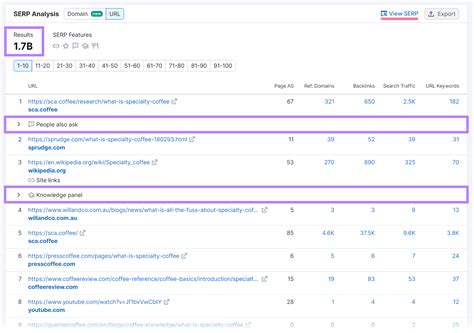
The art of spoiler-free SEO lies in smart keyword selection. Instead of broad, story-centric terms, focus on objective, challenge-oriented keywords. Utilize specific quest names, item names, character names (when not spoilers themselves), boss names, and location names. Phrases like “how to defeat [Boss Name]”, “where to find [Item Name]”, “complete [Quest Name] objectives”, or “best build for [Character/Class]” are highly searchable and inherently less likely to spoil narrative elements. Use a keyword research tool to identify these specific, high-intent queries.
Structural Solutions for Spoiler Control
Beyond keyword choices, the very structure of your guide can act as a spoiler deterrent. Employing collapsible sections (e.g., using HTML `details` and `summary` tags or JavaScript-driven accordions) allows players to reveal information only when they are ready. Clearly label sections with “SPOILER WARNING” before discussing plot-heavy elements. Consider creating separate, linked sub-pages for deeply spoilerific content, giving players a choice to click through. This progressive disclosure maintains SEO benefits on the main page while protecting those who wish to avoid spoilers.

Leveraging Metadata and Descriptions
Metadata offers another layer of control. Craft meta titles and descriptions that are keyword-rich for SEO but also explicitly communicate the guide’s scope and any spoiler warnings. A meta description like “Learn how to defeat the Shadow Sorcerer boss in Act 3 – no major plot spoilers, specific boss strategy only” sets clear expectations. Google often pulls content directly from your page for snippets, so ensure the beginning of your guide also reflects this balance, perhaps starting with a spoiler policy statement.

Community Feedback and Iteration
No guide is perfect on its first draft. Encourage feedback from your audience. Players are often the best resource for identifying accidental spoilers or suggesting better ways to structure information to maintain the spoiler-free experience. Regularly review comments, forum discussions, and social media mentions related to your guides. Iterating based on player input not only improves the quality of your content but also strengthens community engagement and trust, further boosting organic reach.

Conclusion
Balancing SEO for discoverability with a clear, spoiler-free player experience is a nuanced but achievable goal for gaming guide creators. By strategically choosing keywords, employing thoughtful structural elements like collapsible sections, crafting precise metadata, and actively soliciting community feedback, guides can rank highly in search results while simultaneously respecting the player’s desire for discovery and surprise. The most successful guides are those that empower players, offering help exactly when and how they need it, without diminishing the magic of the game itself.



