Best competitive training routines to drastically improve individual skill and rank?

The Foundation of Elite Performance
In the high-stakes world of competitive esports, natural talent can only take you so far. True, sustainable improvement and rank progression stem from disciplined, structured training. Whether you’re a seasoned player stuck in a plateau or an aspiring pro aiming for the top, adopting a methodical approach to practice is paramount. This article outlines the best competitive training routines designed to drastically improve your individual skill and climb the ranks across any game title.
Forget endless hours of aimless grinding; effective training is about quality over quantity, targeted practice, and holistic development. It’s about building habits that foster continuous growth, identifying weaknesses, and turning them into strengths.
Core Pillars of Skill Development
A comprehensive training routine must address multiple facets of competitive play. Neglecting any one area can create a bottleneck that hinders your overall progress.
Mechanical Mastery
This involves the raw, physical execution of game actions. For FPS games, this means aim, recoil control, movement, and utility usage. For MOBAs, it’s last-hitting, spell casting accuracy, kiting, and efficient pathing. Regular, focused drills are essential here. Utilize custom maps, training ranges, and dedicated practice modes to isolate and refine specific mechanics. Consistency in these drills builds muscle memory and reaction time.
Game Sense & Strategic Acumen
Beyond clicking heads or landing spells, game sense encompasses decision-making, map awareness, positioning, resource management, and understanding game flow. This is often developed through reviewing professional gameplay (VODs), analyzing your own replays (VOD reviews), and actively thinking about your choices during live matches. Ask yourself ‘why’ you did something and ‘what if’ you did something else.
Mental Fortitude & Focus
The mental game is arguably the most overlooked yet critical aspect. This includes maintaining focus under pressure, resilience against tilt, effective communication, and a growth mindset. Incorporate techniques like meditation, deep breathing exercises, and positive self-talk into your routine. Learn to compartmentalize mistakes and move on quickly.
Crafting Your Optimal Training Schedule
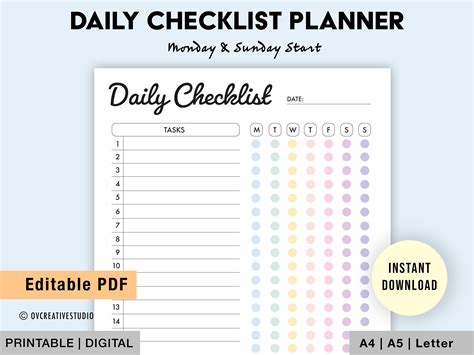
A balanced training schedule integrates all these pillars effectively. Here’s a template you can adapt:
- Warm-up (15-30 mins): Start with light physical stretches, then move to in-game aim trainers or simple mechanics drills. The goal is to get your hands and mind ready, not to intensely practice.
- Targeted Drills (60-90 mins): Focus on 1-2 specific weaknesses identified from recent gameplay. For example, dedicate a session solely to entry fragging techniques, specific hero combos, or clutch situations. Use custom games or dedicated practice tools.
- VOD Review (30-60 mins): Analyze your own recent ranked games or scrims. Identify mistakes, missed opportunities, and areas for improvement. Watch professional players to learn optimal strategies and decision-making.
- Scrims / Ranked Play (2-3 hours): Apply what you’ve practiced in a competitive environment. Play with a clear objective – for instance, focusing on better communication, specific utility usage, or map control. Don’t just play to win; play to learn.
- Cool-down / Reflection (15-30 mins): Review your performance from the play session. What went well? What didn’t? How did you apply your targeted practice? Plan for your next training session based on this reflection. Avoid ending a session immediately after a frustrating loss.
Advanced Strategies and Mindset
- Consistency is Key: A moderate, consistent routine is far more effective than sporadic marathon sessions. Regularity builds habits and muscle memory.
- Quality Over Quantity: 3 focused hours of deliberate practice will yield more results than 6 hours of mindlessly playing ranked. Engage actively with your practice.
- Set SMART Goals: Make your goals Specific, Measurable, Achievable, Relevant, and Time-bound. Instead of “get better at aiming,” try “increase my headshot percentage by 5% in the next two weeks.”
- Analyze Top Players: Don’t just watch pros; analyze why they do what they do. Pause VODs, predict their actions, and compare to actual play.
- Team Practice (if applicable): If you play in a team, dedicated team practice, strategy sessions, and scrims are vital for synergistic improvement.
- Physical & Mental Well-being: Don’t underestimate the impact of sleep, nutrition, hydration, and physical exercise. A healthy body and mind perform better. Take regular breaks during long sessions.

Conclusion: Your Path to Competitive Excellence
Improving individual skill and climbing the ranks in competitive esports is an arduous but rewarding journey. By embracing a structured training routine that addresses mechanical skill, game sense, and mental fortitude, you’re not just playing more – you’re playing smarter. Commit to deliberate practice, analyze your performance relentlessly, and maintain a growth mindset. With consistency and dedication, you will undoubtedly witness a drastic improvement in your game and see your rank reflect your true potential.