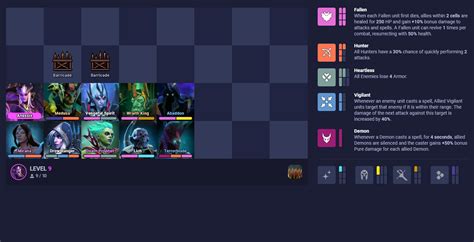
How to adapt your favorite build to the latest meta shifts without losing its core identity?
In the dynamic world of online gaming, the meta—the “most effective tactic available”—is in a constant state of flux. Patch updates, new content, and community discoveries frequently shift the power balance, making once-dominant strategies obsolete. For many players, abandoning a cherished build that has provided countless hours of fun and success feels like a betrayal. The good news is, you don’t always have to. With a thoughtful approach, you can adapt your favorite build to thrive in the current meta without sacrificing the fundamental identity that makes it unique and enjoyable.
Understanding the Shifting Sands of the Meta
Before you can adapt, you need to understand what you’re adapting to. The first step is diligent meta analysis. This involves actively monitoring official patch notes, observing high-level gameplay (streamers, professional matches), and engaging with community discussions. Look for patterns: which champions/classes are seeing increased play? Which items or abilities have been buffed or nerfed? Are there new strategies emerging that exploit certain weaknesses or strengths?

Defining Your Build’s Core Identity
What makes your build your build? Is it the aggressive early game dominance, the scaling late-game carry potential, a unique utility role, or perhaps a specific synergy of abilities and items? Pinpoint the essential components: key items, crucial runes/talents, primary abilities, and the overarching playstyle. This core identity is the non-negotiable foundation you’re trying to preserve. Adaptations should enhance this core, not replace it entirely.
Strategic Adaptation Techniques
Minor Tweaks for Major Impact
Often, small adjustments can yield significant results. This could involve re-evaluating your stat allocation, swapping out a less impactful rune or talent for one that better counters the current meta threats, or even adjusting your starting item. These minor changes are often the least disruptive to your build’s core feel.
Itemization: The Flexible Backbone
Item builds are frequently the most fluid aspect of adaptation. While certain core items might be indispensable, consider alternative choices for situational slots. Is the meta heavily reliant on magic damage? Prioritize a specific magic resist item. Are opponents building lots of armor? Invest in armor penetration earlier. Don’t be afraid to experiment with new items introduced in patches or revisit older ones that might have found renewed synergy with other changes.
Optimizing Ability and Skill Order
Sometimes, simply changing the order in which you level up your abilities can provide a crucial edge. If an ability was buffed or if early game skirmishes are more prevalent in the current meta, prioritizing a different skill might be beneficial. Similarly, adapting your spell usage or ability rotation to counter specific threats or capitalize on new opportunities can make a significant difference.
Adjusting Your Playstyle
While your build provides the tools, your playstyle dictates how you use them. The meta might demand a more aggressive early game, a safer farming approach, or a focus on specific objectives. Your build might still be viable, but its optimal execution might require a shift in strategy. For instance, a build designed for late-game scaling might need to play more defensively early on if the meta favors aggressive openers.

Knowing When to Compromise and When to Hold Firm
There’s a fine line between adaptation and completely abandoning your build. Some meta shifts might be so drastic that your favorite build becomes truly unviable without fundamentally changing its identity. In such cases, you might need to park it for a while or accept that it will only perform optimally in niche situations. However, for most shifts, judicious adjustments can preserve its essence. The key is to understand which elements of your build are truly sacred and which are open to modification.

Test, Iterate, and Refine
Adaptation isn’t a one-and-done process. Once you’ve made changes, take them into practice or unranked games. Pay close attention to what works and what doesn’t. Be prepared to iterate, refining your choices based on real-world performance. Discuss your findings with community members or friends who understand the game. Continuous testing and refinement are crucial for staying ahead of the curve.
Conclusion
The beauty of a truly beloved build lies not just in its power, but in the enjoyment and satisfaction it brings. By diligently analyzing the meta, understanding your build’s core identity, and applying strategic adaptations to itemization, skills, and playstyle, you can navigate the ever-changing landscape of your favorite game. This approach ensures your cherished creation remains competitive and relevant, allowing you to continue enjoying its unique strengths for many patches to come.