What key metrics should aspiring pro players track to improve their game?
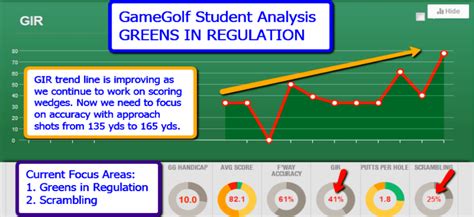
The Data-Driven Path to Pro Play
In the highly competitive world of esports, raw talent alone is rarely enough to climb to the top. Aspiring professional players must adopt a meticulous, data-driven approach to their game, understanding that every action, decision, and outcome leaves a trail of valuable information. Tracking key metrics allows players to move beyond subjective feelings about their performance, providing concrete evidence of strengths, identifying weaknesses, and guiding targeted improvement. This systematic analysis is the bedrock upon which consistent high-level play is built.

Individual Performance: Beyond KDA
While often the most visible statistic, KDA (Kill/Death/Assist ratio) is just the tip of the iceberg. Aspiring pros need to dive deeper into their personal contributions. For MOBAs, this includes Creep Score (CS) or Last Hits per minute, gold per minute (GPM), experience per minute (XPM), damage dealt to champions, damage taken, healing done, and vision score (wards placed/destroyed). In first-person shooters, accuracy percentages (headshot accuracy, overall accuracy), damage per round, utility usage effectiveness (grenades, smokes), and opening kill percentages are crucial. These metrics paint a detailed picture of a player’s mechanical skill and efficiency in their specific role.
- MOBA Specifics: Monitor your early game CS differential, objective participation, and effective gank/roam success rates.
- FPS Specifics: Analyze clutch round wins, entry frag success, and overall impact on rounds won/lost.
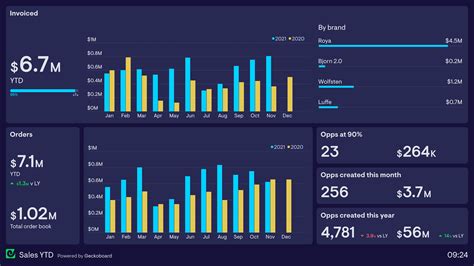
Decision-Making and Efficiency: The Brain Game
Beyond raw numbers, the quality of a player’s decisions is paramount. Metrics related to efficiency and strategic execution are vital. This can involve tracking objective control rates (e.g., how often your team secures Dragon/Baron in League of Legends, or bombs/hostages in CS:GO), rotational timings, map awareness (e.g., how often you react to pings or enemy movements), and resource management (e.g., optimal item builds, cooldown management). For a tactical shooter, tracking post-plant success rates or successful retakes can highlight strategic prowess. Every decision has a quantifiable outcome, and understanding these can reveal patterns in good or bad choices.
Analyzing replays with a focus on decision points can often illuminate these metrics. Did you take the right fight? Was your pathing efficient? Did you make the optimal use of your abilities or utility?
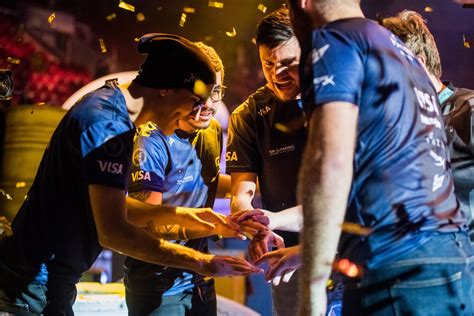
Team Play and Synergy: Collective Strength
Esports are predominantly team-based, making collective metrics indispensable. Tracking team fight participation, assist percentages, synergy with specific teammates, and communication effectiveness (though harder to quantify directly, feedback is key) are important. Win rates with specific team compositions, objective trade success rates, and how well the team executes planned strategies offer insight into overall team cohesion. A player might have excellent individual stats but contribute poorly to the team’s overarching strategy, which metrics can help uncover. Understanding how your individual performance impacts the team’s success is critical for growth.
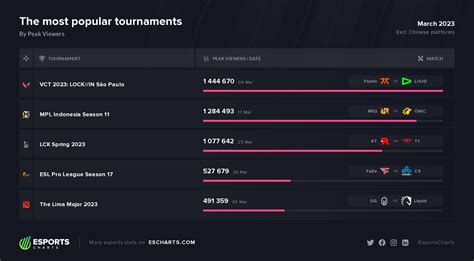
Beyond In-Game: Practice and Mental Fortitude
Metrics aren’t confined to in-game statistics. Aspiring pros should also track their practice habits: hours spent in VOD review versus gameplay, dedicated practice drills completed, and even their mental state before and after games. Tracking emotional responses, tilt patterns, and recovery times can be invaluable for developing mental resilience. Journaling progress, setting specific, measurable, achievable, relevant, and time-bound (SMART) goals, and reviewing them regularly also fall under this umbrella of self-improvement metrics.
Utilizing third-party stat trackers, in-game replay systems, and even simple spreadsheets can help collate this data. The goal is not just to collect numbers but to derive actionable insights from them. This iterative process of tracking, analyzing, adjusting, and re-tracking is the engine of continuous improvement for any serious esports competitor.

Conclusion: The Path to Mastery Through Data
For aspiring professional esports players, tracking key metrics is not an optional extra; it is a fundamental component of their development. By moving beyond anecdotal evidence and embracing a data-driven approach, players can precisely identify areas for improvement, validate their practice methods, and accelerate their journey towards competitive mastery. Consistent, informed analysis of individual performance, decision-making, team synergy, and practice habits forms the comprehensive toolkit needed to stand out in the fiercely competitive esports landscape.