Why is my PC’s Wi-Fi slow during online gaming? How to boost signal?

The Frustration of Gaming Lag: Understanding Slow Wi-Fi
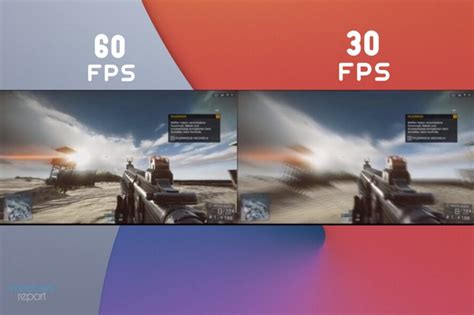
There’s nothing more frustrating for an online gamer than experiencing stuttering, disconnections, or a high ping due to slow Wi-Fi. A stable, fast internet connection is paramount for competitive and immersive gaming, and when your Wi-Fi falters, it can turn an enjoyable experience into a rage-inducing one. Understanding why your PC’s Wi-Fi might be underperforming is the first step toward reclaiming your smooth gameplay.
Common Culprits Behind Slow Gaming Wi-Fi
Several factors can conspire to slow down your Wi-Fi specifically during online gaming. Pinpointing the exact cause is crucial for effective troubleshooting:
- Network Congestion: If multiple devices are using your home network simultaneously (streaming 4K videos, large downloads, other gaming), your Wi-Fi bandwidth gets split, leaving less for your game.
- Signal Interference: Other wireless devices (cordless phones, microwaves, Bluetooth devices), neighboring Wi-Fi networks, and even physical obstructions (walls, furniture) can interfere with your Wi-Fi signal.
- Distance from Router & Obstructions: The further your PC is from the router, and the more walls or floors are between them, the weaker your signal will be.
- Outdated Hardware: An old Wi-Fi adapter on your PC or an ancient router might not support the latest, faster Wi-Fi standards (like Wi-Fi 5 or Wi-Fi 6), limiting your potential speed.
- Outdated Drivers: Your network adapter’s drivers might be old or corrupted, leading to inefficient communication with your router.
- Wi-Fi Band Issues (2.4GHz vs. 5GHz): The 2.4GHz band offers wider coverage but is slower and more prone to interference. The 5GHz band is faster and less congested but has a shorter range.
- Bandwidth Hogs: Background applications, cloud sync services, or even operating system updates can consume significant bandwidth without you realizing it.

How to Boost Your Wi-Fi Signal and Optimize for Gaming
Once you understand the potential causes, you can take targeted steps to significantly improve your gaming Wi-Fi. Keep in mind that for the absolute best and most stable performance, a wired Ethernet connection is always superior for gaming.
1. Go Wired: The Ultimate Solution (Ethernet)
If at all possible, connect your PC directly to your router using an Ethernet cable. This bypasses all Wi-Fi interference, provides the most stable connection, lowest latency (ping), and highest speeds. If your router is far, consider Powerline adapters, which use your home’s electrical wiring to extend the network.
2. Optimize Router Placement
Place your router in a central location, high up, and away from walls and large metal objects. Ensure it’s not tucked away in a cabinet or behind your TV. Minimize the number of walls and obstructions between your PC and the router.

3. Choose the Right Wi-Fi Band
If your router and PC Wi-Fi adapter support it, use the 5GHz band for gaming. It offers higher speeds and less interference, which is critical for gaming. While 2.4GHz has better range, the speed and stability benefits of 5GHz often outweigh the range limitations for a dedicated gaming PC.
4. Update Drivers and Firmware
Ensure your PC’s Wi-Fi adapter drivers are up to date. Visit the manufacturer’s website for the latest versions. Similarly, check your router’s manufacturer website for any available firmware updates, which can improve performance and stability.

5. Implement Quality of Service (QoS)
Many modern routers have a Quality of Service (QoS) setting. Enable and configure it to prioritize gaming traffic over other network activities. This ensures that your game gets the bandwidth it needs even when other devices are active.
6. Eliminate Interference
- Keep your router away from microwaves, cordless phones, and large metal objects.
- Change your Wi-Fi channel: Use a Wi-Fi analyzer app on your phone to find the least congested channels (usually 1, 6, or 11 for 2.4GHz; many more for 5GHz) and manually set your router to that channel.
7. Upgrade Your Hardware
If your router is several years old, upgrading to a newer model with Wi-Fi 6 (802.11ax) or Wi-Fi 6E can provide significant speed and efficiency improvements, especially in congested environments. Similarly, if your PC’s Wi-Fi adapter is old, consider upgrading to a modern internal PCIe card or a high-quality external USB adapter that supports the latest Wi-Fi standards.
8. Manage Background Applications
Close any unnecessary applications, browser tabs, or background processes that might be consuming bandwidth or CPU resources while you’re gaming. Check your Task Manager (Windows) or Activity Monitor (macOS) for resource hogs.
Conclusion: A Smoother Gaming Experience Awaits
Slow Wi-Fi during online gaming is a fixable problem, not an inherent one. By systematically addressing common issues like router placement, interference, outdated hardware, and network congestion, you can significantly improve your connection stability and speed. While a direct Ethernet connection remains the gold standard for gaming, these Wi-Fi optimization tips will help you achieve the best possible wireless performance and get back to enjoying your games without frustrating lag.